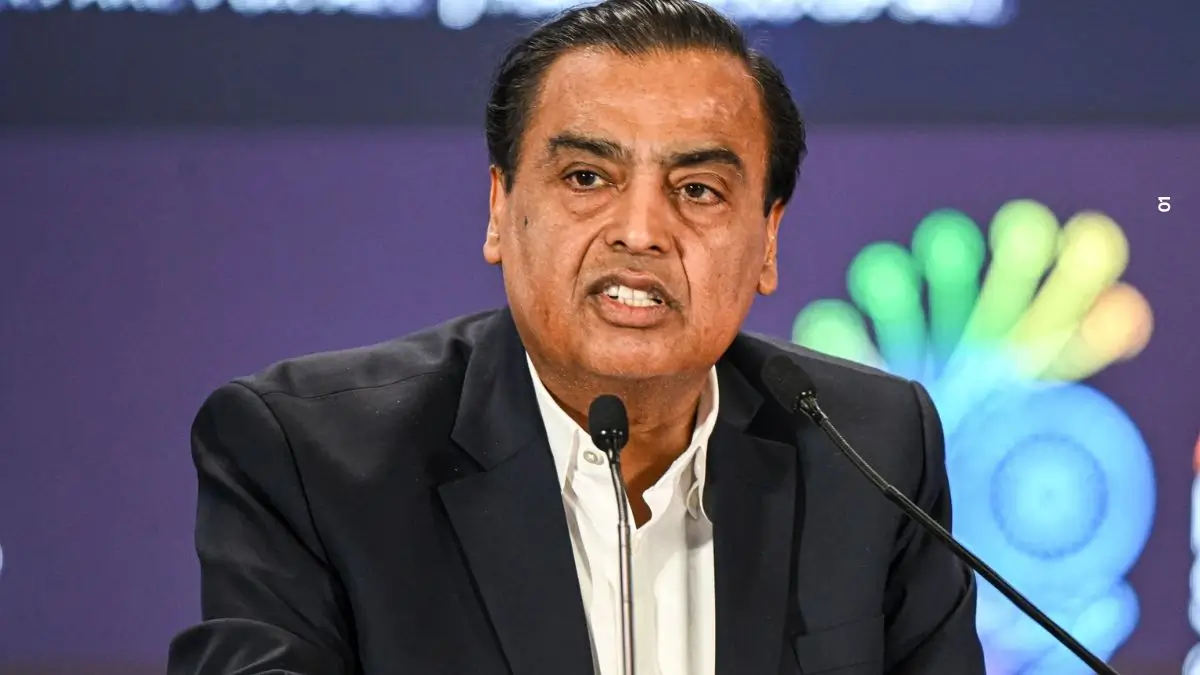









Vivek Chaturvedi appointed as CBIC Chairman effective Dec 1, 2025. Know his background, responsibilities, and significance for indirect tax reforms and competitive exams.
Vivek Chaturvedi Takes Charge as New CBIC Chairman
New Leadership at the Helm of Indirect Tax Administration
The government has appointed Vivek Chaturvedi, a 1990-batch Indian Revenue Service (Customs & Indirect Taxes) officer, as the new Chairman of Central Board of Indirect Taxes and Customs (CBIC), effective 1 December 2025.
The elevation of Chaturvedi to the top post was formally approved by the Appointments Committee of the Cabinet (ACC) following the superannuation of his predecessor Sanjay Kumar Agarwal on 28 November 2025.
Professional Background and Experience
Vivek Chaturvedi brings over three decades of experience in customs administration, vigilance, data analytics, and risk management. Before his elevation, he served as Member (Tax Policy & Legal) of CBIC. His earlier postings include Principal Director General of Vigilance, Chief Vigilance Officer of CBIC, and Director General at the Directorate General of Analytics and Risk Management (DGARM) — where he pioneered data-driven approaches to curb tax evasion and strengthen compliance systems.
He has also gained international exposure during his deputation with the Ministry of External Affairs as First Secretary in Brussels from 2007 to 2011 — an experience seen as valuable for shaping trade-linked customs policy in a globalised environment.
Mandate and Strategic Challenges Ahead
As the new CBIC Chairman, Chaturvedi steps in during a critical period for India’s indirect tax and customs regime. The finance ministry is under pressure to maintain revenue buoyancy after recent rationalisation of GST rates. Under his stewardship, CBIC is expected to intensify customs modernisation, strengthen enforcement through data-driven analytics, enhance compliance frameworks and streamline GST and customs operations across the country.
Moreover, his role will be crucial in formulating indirect tax aspects of the upcoming Union Budget (2026–27), and ensuring smoother implementation of GST laws and customs procedures.
What This Means for Stakeholders: Business, Trade, and Tax Administration
With a seasoned bureaucrat like Chaturvedi at the helm, stakeholders — including businesses, importers/exporters, taxpayers, and trade associations — can expect a more stable and predictable policy environment. His background in data analytics and vigilance suggests a likely push towards better risk-management, faster clearances, and tighter scrutiny to curb evasion.
For the indirect tax administration machinery, this change may lead to enhanced coordination, enforcement efficiency, and possibly renewed reforms to align GST and customs processes with global best practices.

Why This News Is Important
Impact on Government Exams and General Awareness
For aspirants of civil services (like UPSC Civil Services Examination), banking, railways, defence, policing or administrative services, this change in leadership at CBIC is significant. Knowledge of key administrative appointments — especially in fiscal policy, taxation, and governance bodies — is often tested in current affairs sections. Understanding who leads major institutions such as CBIC helps build awareness of how fiscal-policy implementation and revenue administration are governed in India.
Relevance to the Indian Economy and Indirect Tax Regime
CBIC plays a central role in administering indirect taxes — GST, customs, central excise — and overseeing trade facilitation, customs enforcement, and revenue collection. A new Chairman often signals possible shifts in policy emphasis, administrative priorities, or implementation styles. Given the push for customs modernisation, digitisation and compliance-driven administration, Chaturvedi’s appointment could influence GST-related reforms, trade facilitation and compliance frameworks — all critical for economy, business environment, and revenue generation.
For Competitive Exam Aspirants Across Sectors
Students preparing for banking, railways, defence, police, or teaching positions often have to answer general-knowledge questions linked to India’s administrative structure, key constitutional/ statutory bodies, and governance institutions. The name of the head of CBIC, their background and the role of CBIC are relevant facts to remember. In addition, such changes reflect the dynamism in governance and are often asked in mains/interview or essays.
Historical Context
About CBIC and Its Role
The Central Board of Indirect Taxes and Customs (CBIC) is the apex body under the Ministry of Finance, responsible for administering indirect taxes — Customs, Central Excise, GST, and other allied functions like trade facilitation, anti-smuggling, and revenue enforcement.
Over the decades, CBIC has evolved from administering traditional customs and excise duties to playing a central role in implementing GST after its roll-out in 2017 — transforming tax administration in India.
Leadership Transitions and Significance
Chairpersons of CBIC are senior IRS (Customs & Indirect Taxes) officers and serve as ex-officio Secretary to Government of India; they hold consequential influence over indirect tax policy, trade regulation, customs enforcement, and revenue collection.
Since its formation (as successor to earlier excise and customs boards), CBIC has had a series of Chairpersons; the leadership transition to Vivek Chaturvedi marks its 44th head — taking over from his immediate predecessor Sanjay Kumar Agarwal.
Contemporary Context — GST, Customs Modernisation, Budget Pressures
India’s indirect tax landscape has undergone major changes since GST implementation. Ongoing challenges include ensuring revenue buoyancy despite GST rate rationalisations, preventing tax evasion and smuggling, managing compliance, and modernising customs procedures. In this background, a leader with strong experience in vigilance, analytics and customs enforcement — like Chaturvedi — is seen as significant for steering reforms. The appointment aligns with the government’s broader push for digitisation, trade facilitation, and robust tax administration.
Key Takeaways from This News
| S. No. | Key Takeaway |
|---|---|
| 1 | Vivek Chaturvedi, a 1990-batch IRS (Customs & Indirect Taxes) officer, has become the new Chairman of CBIC effective 1 December 2025. |
| 2 | The appointment was approved by the Appointments Committee of the Cabinet (ACC) after the superannuation of his predecessor Sanjay Kumar Agarwal. |
| 3 | Chaturvedi brings over three decades of experience in customs administration, vigilance, data analytics, risk-management and compliance. |
| 4 | His previous roles include Member (Tax Policy & Legal) at CBIC, DG (Vigilance), Chief Vigilance Officer, and DG at the Directorate General of Analytics and Risk Management (DGARM). |
| 5 | As CBIC Chairman, he will play a key role in shaping indirect tax policy, customs modernisation, GST enforcement and will have influence over the indirect tax aspects of the 2026–27 Union Budget. |
FAQs: Frequently Asked Questions
1. Who is the newly appointed Chairman of CBIC?
Vivek Chaturvedi, a 1990-batch Indian Revenue Service (Customs & Indirect Taxes) officer, has been appointed as the new Chairman of CBIC effective 1 December 2025.
2. Who did Vivek Chaturvedi succeed as CBIC Chairman?
He succeeded Sanjay Kumar Agarwal, who superannuated on 28 November 2025.
3. What is CBIC and what does it do?
The Central Board of Indirect Taxes and Customs (CBIC) is a statutory body under the Ministry of Finance responsible for administering GST, customs duties, central excise, trade facilitation, and enforcing indirect tax compliance in India.
4. What are the key responsibilities of the CBIC Chairman?
The Chairman oversees indirect tax policy, customs administration, GST enforcement, trade facilitation, risk management, and contributes to fiscal policy aspects in the Union Budget.
5. What experience does Vivek Chaturvedi bring to CBIC?
He has more than three decades of experience in vigilance, customs administration, risk management, data analytics, and international exposure, including deputation in Brussels.
6. Why is this appointment important for competitive exams?
Knowledge of key appointments in Indian administration is frequently asked in exams like UPSC, SSC, banking, railways, and other government recruitment exams.
7. How can Chaturvedi’s leadership impact GST and customs reforms?
He is expected to strengthen compliance, modernize customs procedures, and ensure effective revenue collection, with a data-driven approach.
Some Important Current Affairs Links