








Vivek Chaturvedi Appointed CBIC Chairman 2025, assuming charge on 1 December. Learn about his role, experience, and significance for GST, customs, and indirect tax administration in India.
Vivek Chaturvedi Appointed as New CBIC Chairman — A Key Change in India’s Indirect Tax Leadership
Appointment of New Leader at the Helm of Indirect Tax Administration
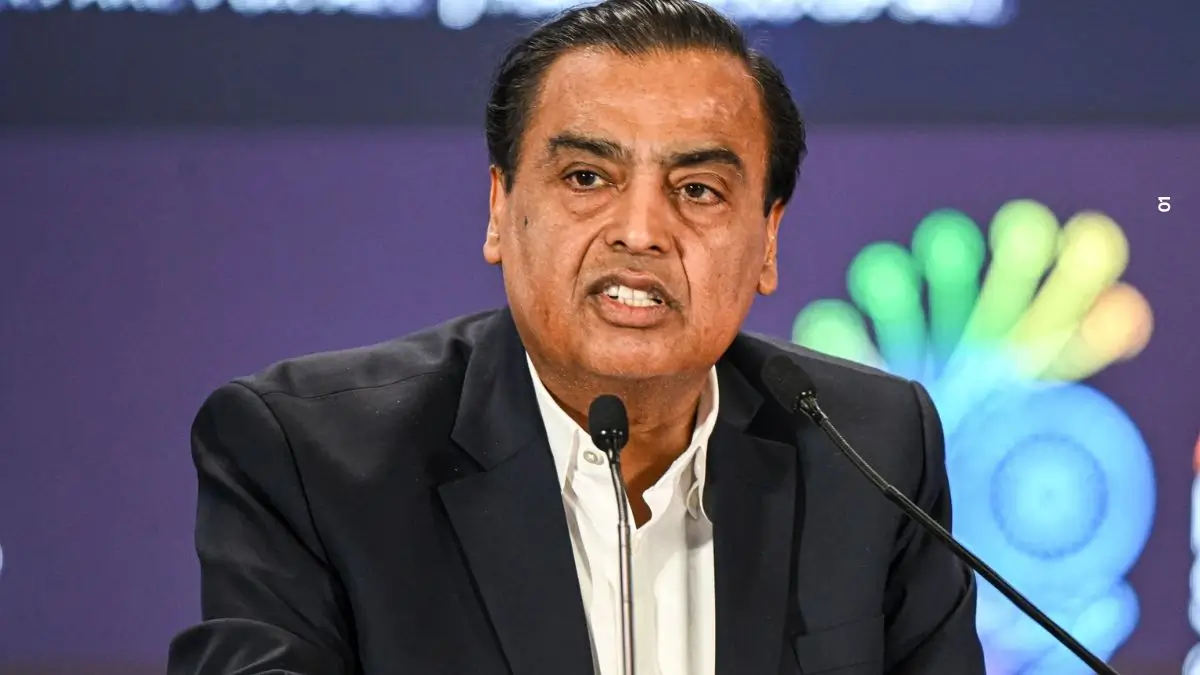
The government has appointed Vivek Chaturvedi as the new Chairman of the Central Board of Indirect Taxes and Customs (CBIC). The appointment was approved by the Appointments Committee of the Cabinet (ACC), as per an order issued by the Department of Personnel & Training (DoPT). Mr. Chaturvedi will formally assume charge on 1 December 2025, succeeding the outgoing Chairman.
Who Is Vivek Chaturvedi? — A Veteran IRS Officer
Vivek Chaturvedi is a 1990-batch officer of the Indian Revenue Service (Customs & Indirect Taxes) (IRS C&IT). Before this appointment, he served as a Member of the CBIC, and earlier held key positions including Principal Director General of Vigilance and Chief Vigilance Officer at CBIC. Over three decades, he has accumulated extensive expertise in customs administration, indirect tax policy, vigilance, data analytics, risk management, and compliance oversight.
Significance of the Appointment — Continuity Amid Transition
His appointment comes at a time when the previous Chairman, Sanjay Kumar Agarwal — belonging to the 1988-batch IRS — has superannuated and stepped down on 28 November 2025. The change is part of a wider leadership reshuffle within CBIC, ensuring that the apex indirect tax body remains under seasoned guidance.
What It Means for Indirect Tax Policy and Customs Administration
As the CBIC Chairman, Chaturvedi will play a central role at a critical juncture — especially with the next Union Budget (2026–27) round approaching, where indirect taxes like GST and customs duties will be under scrutiny. Given his background in vigilance and data analytics, he is expected to steer efforts toward stronger compliance, modernised customs processes and data-driven tax administration.
Implications for Businesses, Trade and Governance
Chaturvedi’s elevation signals continuity and stability in indirect tax governance — a reassuring sign for businesses, import-export trade and taxpayers. It is also expected to speed up reforms such as customs modernisation, improved GST compliance frameworks and greater internal oversight to curb evasion.

Why This News Matters
Critical Role of CBIC in National Economy
CBIC is the apex body responsible for administering indirect taxes in India — including customs duty, GST (indirect tax revenues), central excise, and regulation of imports and exports.The Chairman of CBIC not only directs tax policy implementation, but also plays a key role in enforcement, customs regulation, and revenue mobilisation — which directly impacts government funds for social programs, infrastructure, defence and other public expenditures.
Strong Leadership Matters Amid Ongoing Tax Reforms
India’s indirect tax framework has seen significant changes post-GST introduction, and continuous reforms are needed to keep compliance high, revenue buoyant and trade seamless. A seasoned leader like Chaturvedi — with strong grounding in vigilance, analytics and customs law — can potentially lead CBIC toward efficient enforcement, reduction in tax evasion and improved customs processes. This is especially relevant as India prepares for its 2026–27 budget and seeks stable revenue flows.
Significance for Aspirants of Competitive Exams
For students preparing for exams like bank-PO, SSC, Railways, UPSC Civil Services, and other government posts — knowledge of administrative changes at key institutions like CBIC is important. It reflects evolving governance structures, leadership shifts and ongoing reforms in indirect taxation — topics often asked under current affairs, economy, governance and policy sections of such exams.
Historical Context: Evolution of CBIC Leadership and Role
Background of CBIC and Its Importance
The Central Board of Indirect Taxes & Customs (CBIC) is a statutory organisation under the Ministry of Finance’s Department of Revenue, entrusted with administering India’s indirect taxes — customs duties, central excise, and goods & services tax (GST). The Chairperson of CBIC is the senior-most IRS (C&IT) officer and holds the rank of Secretary to the Government of India — placing the role among the highest administrative positions in fiscal governance.
Leadership Transitions and Recent Changes
Over the years, CBIC has seen periodic changes at the top, especially with the GST roll-out and subsequent trade, tax and compliance reforms. The previous Chairman, Sanjay Kumar Agarwal (1988-batch IRS), served until November 2025 and steered the Board during a phase involving resolution of pre-GST legacy issues and customs reforms.
The appointment of Vivek Chaturvedi marks the latest in the line of transitions — designed to ensure continuity and experienced leadership amid policy reforms, growing trade volumes, evolving customs systems and increasing focus on compliance and transparency.
Legacy of Vigilance and Compliance in CBIC’s Journey
In recent years, CBIC has not only been about tax collection and customs duties — it has also intensified efforts on vigilance, risk-based enforcement, data analytics and anti-evasion drives. Leaders with experience in oversight and risk management have become more valuable. Chaturvedi’s background as Principal Director General of Vigilance and Chief Vigilance Officer aligns with this shift, signalling that the institution is doubling down on compliance and integrity.
Key Takeaways from This News
| S. No. | Key Takeaway |
|---|---|
| 1 | Vivek Chaturvedi, 1990-batch IRS officer, has been appointed as the new CBIC Chairman effective 1 December 2025. |
| 2 | He succeeds Sanjay Kumar Agarwal, whose tenure ended on 28–30 November 2025. |
| 3 | Chaturvedi brings over 30 years of experience in customs, indirect taxes, vigilance, data analytics, compliance and risk management. |
| 4 | As CBIC Chairman, he will oversee GST, customs reforms, and indirectly be involved in the 2026-27 Union Budget process concerning indirect taxes. |
| 5 | His appointment underscores the government’s emphasis on stability, compliance and stronger governance in indirect tax administration during a period of policy reform and trade growth. |
FAQs: Frequently Asked Questions
1. Who is Vivek Chaturvedi?
Vivek Chaturvedi is a 1990-batch Indian Revenue Service (IRS) officer (Customs & Indirect Taxes) who has been appointed as the new Chairman of the Central Board of Indirect Taxes and Customs (CBIC).
2. When did Vivek Chaturvedi assume charge as CBIC Chairman?
He formally assumed charge on 1 December 2025.
3. Who did Vivek Chaturvedi succeed as CBIC Chairman?
He succeeded Sanjay Kumar Agarwal, a 1988-batch IRS officer, who superannuated at the end of November 2025.
4. What is the role of CBIC Chairman?
The CBIC Chairman is the senior-most officer of the Board, responsible for overseeing indirect tax administration including GST, customs duties, central excise, compliance, vigilance, policy implementation, and revenue mobilization.
5. Why is Vivek Chaturvedi’s appointment significant for the economy?
His leadership ensures continuity in indirect tax governance, enhances compliance and vigilance, and supports trade facilitation and customs reforms, which directly impact government revenue and economic stability.
6. What are some key positions held by Vivek Chaturvedi before becoming CBIC Chairman?
He has served as Member of CBIC, Principal Director General of Vigilance, and Chief Vigilance Officer at CBIC.
7. How is CBIC connected to the Union Budget?
CBIC manages indirect tax revenues like GST and customs duties, which contribute significantly to government funds that are planned and allocated during the Union Budget.
Some Important Current Affairs Links