





Exercise Vajra Prahar 2026 highlights India US joint special forces training in Himachal Pradesh, focusing on counter-terrorism, interoperability, and defence cooperation for UPSC and government exam preparation.
India-US Joint Special Forces Exercise Vajra Prahar 2026 Begins in Himachal Pradesh
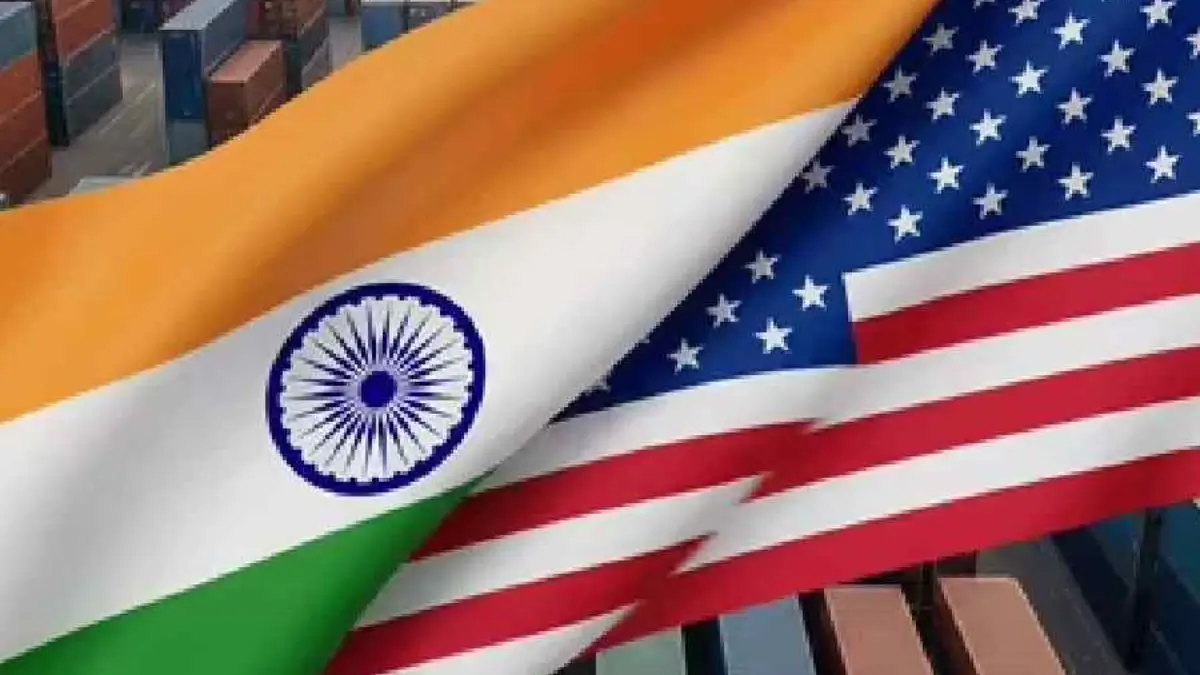
The 16th edition of the India-United States joint Special Forces exercise Vajra Prahar commenced in Bakloh, Himachal Pradesh, marking yet another milestone in the growing defence partnership between the two nations. Scheduled from 23 February to 15 March 2026, this three-week elite military drill brings together the Indian Army Special Forces and the U.S. Army’s Green Berets to train alongside each other in challenging terrains and high-intensity combat simulations.
Objective and Strategic Focus of Vajra Prahar 2026
The exercise is designed to enhance interoperability and joint operational readiness of special operations units. It focuses on the exchange of advanced tactics, techniques, and procedures (TTPs) that are critical for modern warfare and counter-terrorism operations. Training activities encompass joint mission planning, high-intensity physical conditioning, tactical drills, counter — terrorism missions and reconnaissance operations, strengthening the ability of both forces to operate cohesively under varied conditions.
This edition of Vajra Prahar is particularly significant as it is conducted on Indian soil after the 15th edition held in Idaho, United States in 2024, allowing both forces to familiarise themselves with mountainous terrains and weather challenges unique to the Himalayan region.
Setting: Special Forces Training School, Bakloh
The training ground for Vajra Prahar 2026 — the Special Forces Training School (SFTS) in Bakloh, Himachal Pradesh — is a premier facility known for rugged landscapes and unpredictable weather, providing an ideal environment for special operations training. The terrain simulates real-world high-altitude conditions that special forces may encounter during actual missions.
Strengthening India-US Defence Ties
Over the last decade, defence cooperation between India and the United States has deepened, with a series of joint exercises across different military domains, including naval, air and army units. Vajra Prahar remains one of the most prominent drills focused on Special Forces interoperability, trust building, and tactical cooperation, reinforcing strategic synergy amid evolving global security challenges.
Key Training Components of the Exercise
Participating contingents engage in realistic combat practices that relate to:
- Counter-terrorism and asymmetrical warfare scenarios
- Urban warfare simulations
- Close-quarters battle drills
- Reconnaissance missions
- Joint tactical planning and execution
These modules strengthen coordination, speed of decision-making, and adaptability in multi-domain operations.
Impact and Long-Term Value
Such exercises not only enhance professional camaraderie but also improve bilateral trust, mutual understanding of operational doctrine, and rapid response capacities essential in joint missions. With global security dynamics becoming increasingly complex, Vajra Prahar contributes to broader defence cooperation frameworks and ensures readiness in joint contingencies.

Why This News Is Important for Government Exam Aspirants
Relevance to Defence & Strategic Studies
The launch of Vajra Prahar 2026 underscores the deepening strategic and defence cooperation between India and the United States, two major democratic powers in the Indo-Pacific. This exercise is a concrete example of military diplomacy, showcasing how nations build trust, interoperability, and shared readiness against common threats. Questions related to bilateral exercise frameworks and foreign defence cooperation are frequently asked in Civil Services, Defence Service, and PSC exams.
Focus on Special Forces Capabilities
Unlike standard drills, Vajra Prahar involves Special Forces units, which perform high-stakes and covert operations. Understanding their joint training enhances knowledge of modern asymmetric warfare techniques and counter-terrorism strategies — topics relevant for General Studies Papers III and IV.
Strategic Geography and Operational Preparedness
The choice of Himachal Pradesh’s mountainous terrain reflects India’s focus on preparation for high-altitude warfare, relevant for challenges along the northern borders. Aspirants should note how terrain influences operational planning — a key theme in defence management and border security strategy.
Bilateral Defence Agreements and Strategic Partnerships
The exercise is part of a larger set of defence collaborations under frameworks such as the “New Framework for India-US Defence Cooperation” and agreements like LEMOA, COMCASA, ISA, and BECA. These topics are essential for understanding India’s evolving foreign policy and security architecture.
Holistic Preparation for Exams
Given its mentions in current affairs, international relations, defence preparedness, and India’s role in geopolitical security, Vajra Prahar 2026 is a high-value topic across UPSC, PCS, Banking, Railways and Teaching exams.
Historical Context of Exercise Vajra Prahar
Origins and Evolution
The Vajra Prahar exercise was initiated as a joint military exercise between India and the United States to enhance cooperation between their Special Operations Forces. The first edition was held in 2010 in India, and since then it has been conducted biennially, alternating locations between India and the US.
Strategic Milestones
Over the years, Vajra Prahar has evolved from basic drills to advanced tactical exchanges, incorporating lessons from global security trends. It emphasizes joint planning, tactical interoperability, joint mission execution, and exchange of combat experiences.
Changing Security Landscape
The exercise has adapted to newer threat perceptions such as asymmetric warfare, hybrid threats, and counter-terrorism challenges. These are reflected in the expanded scope of training and joint simulations.
Integration with Broader Defence Cooperation
Vajra Prahar is part of a wider set of bilateral exercises that include Yudh Abhyas (Army), Cope India (Air), and Malabar (Naval), which together strengthen India’s strategic ties with allied nations and enhance multidimensional interoperability.
Key Takeaways from “India-US Vajra Prahar 2026”
| S.No. | Key Takeaway |
|---|---|
| 1. | The 16th edition of Exercise Vajra Prahar commenced in Bakloh, Himachal Pradesh from Feb 23 to Mar 15, 2026. |
| 2. | The exercise involves Indian Army Special Forces and US Army Green Berets to improve interoperability. |
| 3. | Main objectives include joint operational readiness, tactical exchange, and counter-terrorism drills. |
| 4. | Vajra Prahar strengthens India-US strategic defence cooperation amid evolving global security conditions. |
| 5. | It reflects India’s focus on high-altitude training and adaptability to complex terrains. |
FAQs – Frequently Asked Questions
1. What is Exercise Vajra Prahar?
Exercise Vajra Prahar is a joint Special Forces military exercise conducted between the India and the United States. It focuses on enhancing interoperability, joint operational readiness, and exchange of tactical expertise between elite forces.
2. Which forces participate in Vajra Prahar?
The exercise involves the Indian Army Special Forces (Para SF) and the US Army Special Forces (Green Berets). These elite units specialize in counter-terrorism, unconventional warfare, reconnaissance, and high-risk operations.
3. Where was the 16th edition of Vajra Prahar conducted?
The 16th edition of Vajra Prahar (2026) was conducted at the Special Forces Training School, Bakloh, located in Himachal Pradesh.
4. When did Vajra Prahar 2026 take place?
The exercise was held from 23 February to 15 March 2026.
5. How often is Exercise Vajra Prahar conducted?
It is conducted biennially (every two years), alternating between India and the United States.
6. What are the key objectives of the exercise?
- Enhancing interoperability
- Sharing tactics, techniques and procedures (TTPs)
- Counter-terrorism training
- High-altitude and special operations preparedness
7. Why is Vajra Prahar important for UPSC and other exams?
Questions related to bilateral defence exercises, India–US strategic partnership, special forces capabilities, and military diplomacy are frequently asked in UPSC GS Paper II & III, CDS, CAPF, State PSC, and Defence exams.
8. Which other major India–US military exercises should aspirants remember?
Apart from Vajra Prahar, important exercises include:
Malabar (Naval; also includes Japan and Australia)
Yudh Abhyas (Army)
Cope India (Air Force)
Some Important Current Affairs Links