









Uttarakhand Tightens Land Laws for Outsiders: Key Amendments and Implications
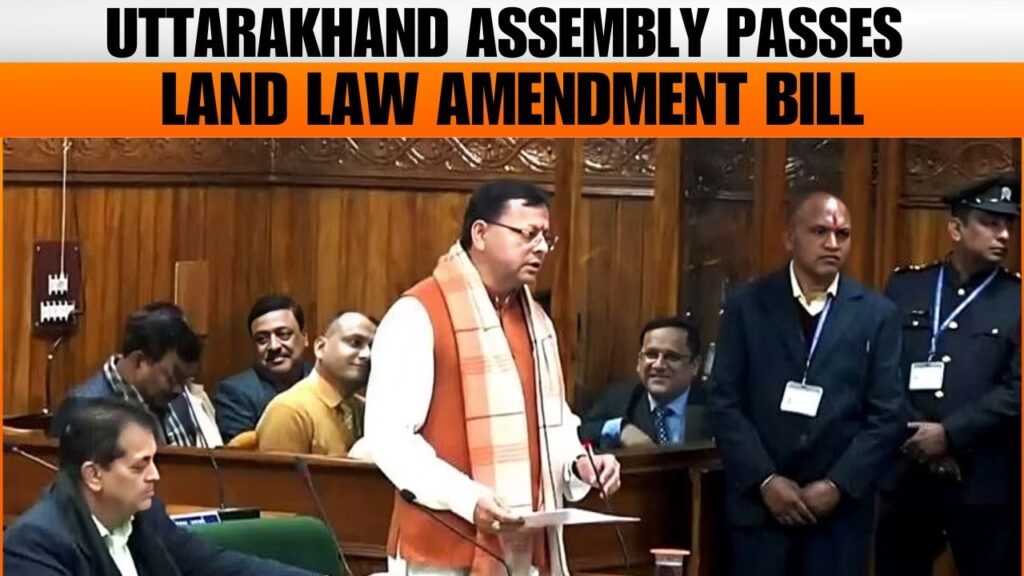
The Uttarakhand government has recently approved the Bhoo Kanoon (Land Law Amendment Bill) to regulate land transactions involving non-residents. This move aims to protect the state’s cultural identity, safeguard agricultural land, and prevent indiscriminate land acquisitions by outsiders. The new law significantly alters how land transactions are approved and monitored, with stricter regulations imposed on non-residents.
Protection of Agricultural Land
One of the most notable aspects of the amendment is the blanket ban on agricultural and horticultural land purchases by non-residents in 11 out of Uttarakhand’s 13 districts. This restriction aims to preserve agricultural livelihoods and prevent large-scale land hoarding by external investors. The law addresses concerns about the misuse of agricultural land, ensuring it remains in the hands of local farmers.
Restrictions on Residential Land Purchases
In addition to agricultural land restrictions, the bill also limits the purchase of residential land by outsiders. Non-residents are now restricted in the size of plots they can buy for residential purposes, ensuring that land remains accessible for locals. Moreover, land transactions within municipal boundaries must adhere to designated land-use purposes, preventing unauthorized developments.
Changes in Approval Authority
Previously, district magistrates had the authority to approve land purchases by non-residents. However, the new bill centralizes approvals at the state level, ensuring a more uniform and transparent process. This change is expected to curb local-level discrepancies and enhance compliance with state land policies.
Implementation Through Digital Monitoring
To enhance transparency and accountability, the Uttarakhand government plans to launch a dedicated digital portal for tracking land transactions. Under the new system, non-resident buyers must submit affidavits stating the purpose of their purchase. The government will monitor compliance through digital tracking, ensuring that the land is used as per the declared intention. Any deviation could result in the government reclaiming the land.
Exemptions and Industrial Considerations
The restrictions are not universally applicable. Two districts, Haridwar and Udham Singh Nagar, have been exempted from the ban on agricultural land purchases by outsiders. This exemption considers the economic significance of these districts. Additionally, provisions may be introduced to support industrialists and investors, ensuring that the new land laws do not hinder economic development.
Why This News is Important
Preserving Uttarakhand’s Cultural and Agricultural Identity
The amendment serves as a protective measure against the large-scale acquisition of land by non-residents, which has been a long-standing issue in Uttarakhand. By restricting access to agricultural land, the government aims to protect farmers from displacement and prevent farmland from being repurposed for commercial projects.
Impact on Economic and Urban Development
The law seeks to ensure sustainable development by regulating land purchases in urban areas. Non-residents will now have limited access to land within municipal boundaries, thereby preventing unauthorized construction and land misuse.
A Model for Other Hill States
Given the growing concerns about land encroachment in hilly states, other states with similar geographical and demographic structures may consider implementing similar laws to protect their local populations.
Historical Context
Uttarakhand has long faced challenges related to land ownership and demographic shifts. Since its formation in 2000, the state’s scenic beauty has attracted investors and real estate developers, leading to fears of cultural erosion and displacement of local communities.
In 2017, amendments to the Uttarakhand (Uttar Pradesh) Zamindari Abolition and Land Reforms Act, 1950, made it easier for outsiders to acquire land, leading to public dissatisfaction. The new amendment reverses this trend, reinstating restrictions to protect the state’s agricultural and residential land from external exploitation.
Key Takeaways from Uttarakhand’s Land Law Amendment
| S.No. | Key Takeaway |
|---|---|
| 1 | Ban on Agricultural Land Purchases: Non-residents cannot buy agricultural land in 11 districts. |
| 2 | Restrictions on Residential Land: Plot sizes for non-residents are now limited. |
| 3 | Centralized Approval Process: State-level authorities will approve land transactions instead of district magistrates. |
| 4 | Digital Monitoring System: A dedicated portal will track land transactions. |
| 5 | Exemptions for Specific Districts: Haridwar and Udham Singh Nagar are exempt from the new restrictions. |
Important FAQs for Students from this News
What is the primary objective of Uttarakhand’s Land Law Amendment?
The amendment aims to protect agricultural land, preserve cultural identity, and regulate land transactions involving non-residents.
Which districts are affected by the ban on agricultural land purchases by outsiders?
The ban applies to 11 districts, including Dehradun, Tehri Garhwal, Nainital, Almora, and Pithoragarh.
Are there any exemptions to the new land purchase restrictions?
Yes, Haridwar and Udham Singh Nagar are exempt from the agricultural land purchase ban.
How will the government monitor land purchases under the new law?
A dedicated digital portal will track land transactions and ensure compliance.
Who now has the authority to approve land purchases by non-residents?
The approval process has been centralized at the state administration level, removing the district magistrates’ authority.
Some Important Current Affairs Links