







UPI TIPS integration in India enables faster, cheaper cross-border payments with Eurozone countries. Learn how RBI’s move benefits remittances, trade, and fintech growth.
RBI Begins Linking UPI with Europe’s TIPS for Faster India‑Eurozone Payments
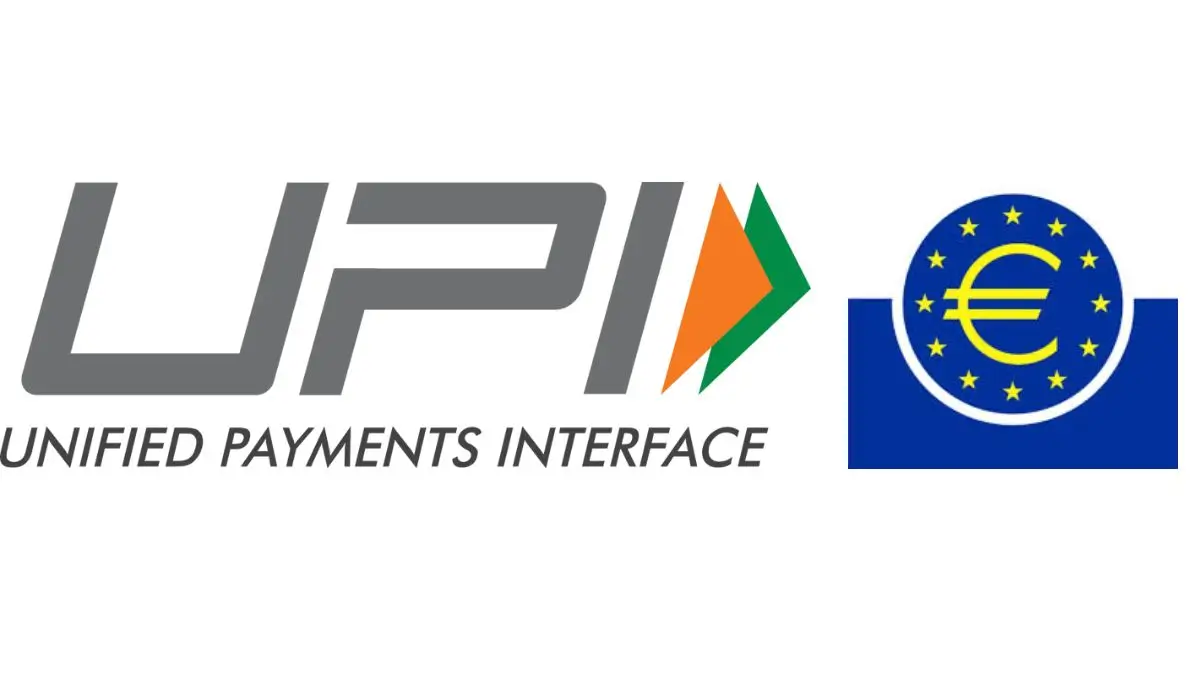
The Reserve Bank of India (RBI) has officially initiated the realisation phase to interconnect India’s Unified Payments Interface (UPI) with the Eurosystem’s TARGET Instant Payment Settlement (TIPS) system. This landmark move aims to enable seamless, real-time cross-border payments between India and the Eurozone — addressing both remittances and trade needs.
Understanding UPI and TIPS
- What is UPI?
UPI is India’s home-grown instant payment system, developed by the National Payments Corporation of India (NPCI). It allows users to transfer money using their smartphones — both for peer-to-peer and merchant payments — instantly and around the clock. - What is TIPS?
TIPS (TARGET Instant Payment Settlement) is the real-time settlement system run by the Eurosystem, which includes the European Central Bank (ECB) and euro-area national central banks. It enables 24/7 euro transactions across eurozone banks, typically settling in under ten seconds.
Why the UPI–TIPS Integration Matters
- Faster & Cheaper Remittances
Traditional cross-border rails like SWIFT can be slow and expensive. By directly linking UPI with TIPS, the cost structure and processing time of transfers between India and Europe could drop significantly. - Greater Transparency
The interlink means fewer intermediaries are needed. This reduces “hidden” fees, makes the transaction flow clearer, and brings more predictability to cross-border payments. - Convenience for NRIs & Businesses
Indians in Europe, or European-based entities doing business with India, will benefit hugely. Whether it’s remittances or cross-border trade, the system becomes more seamless. - Digital Payment Diplomacy
This is more than a fintech upgrade. It signals India’s ambition to globalize UPI and contributes to its broader strategy of strengthening financial ties under G20 goals for better cross-border payment systems.
Implementation Strategy & Technical Challenges
To make the UPI–TIPS link a reality, the RBI is collaborating with NPCI International Payments Ltd (NIPL) and the European Central Bank (ECB). Key implementation steps include:
- Integrating the technical architecture of UPI and TIPS.
- Establishing risk‑management protocols that work across Indian and European jurisdictions.
- Arranging for currency conversion and liquidity management for seamless settlement.
- Aligning compliance standards related to KYC (Know Your Customer), AML (Anti-Money Laundering), and data protection across both systems.
Because this is the “realisation phase,” ensuring security, reliability, and regulatory compliance is critical before a full-scale rollout.
Strategic & Long-Term Significance for India
- Boost to India–EU Economic Ties: Smoother payments can catalyze trade, investment, and remittance flows.
- Global Leadership in Fintech: India’s UPI becoming interlinked with major international payment systems bolsters its reputation in digital finance.
- Financial Inclusion: Lower costs and faster transfers especially help migrant workers sending money back home.
- Support for Businesses & SMEs: Cross-border SMEs will find it easier to transact, possibly driving more trade and entrepreneurial activity.

Why This News Is Important
For Government Exam Aspirants (Banking, RBI, UPSC, etc.)
- Policy Impact: This is a major development in India’s financial policy — showing how the RBI is pushing India’s digital payment infrastructure into the global arena.
- G20 Relevance: The move is aligned with the G20 roadmap for improving cross-border payments, a frequent topic in economic affairs questions.
- Digital India & Financial Inclusion: It demonstrates India’s commitment to digital transformation and inclusive finance, which are key themes in government exams.
- Economic Diplomacy: It reflects India’s increasing role in global fintech diplomacy — useful for current affairs in UPSC/PSC exams that test international economic relations.
- Banking Infrastructure Awareness: Understanding UPI, TIPS, and how central banks collaborate is very relevant for banking exam aspirants who must know payment systems.
Historical Context
- Rise of UPI in India: Launched by NPCI in 2016, UPI radically transformed digital payments in India by allowing instant transfers via mobile phones.
- Global Footprint of UPI: Over recent years, UPI has expanded beyond India — being accepted in several countries such as France, Singapore, UAE, Mauritius, Nepal, and Bhutan.
- TIPS Launch: The European Central Bank launched TIPS in November 2018, as a real-time settlement system for euro transactions across the Eurozone.
- G20 & Cross-Border Payments: The G20 has repeatedly emphasized making cross-border payments cheaper, faster, and more transparent. India’s push for interlinking UPI with overseas instant payment systems reflects its commitment to this global goal.
- Previous Steps: RBI has already been active in forging payment links with other jurisdictions. For instance, UPI integration with Singapore’s PayNow and the UAE’s AANI has been pursued earlier.
Key Takeaways from This News
Key Takeaways from UPI–TIPS Integration
| # | Key Takeaway |
|---|---|
| 1 | RBI and ECB have begun the realisation phase to link UPI (India) with TIPS (Eurozone). |
| 2 | This integration will enable real-time, 24/7 cross-border payments between India and euro-area countries. |
| 3 | It will reduce transaction costs and reliance on older systems like SWIFT by eliminating multiple intermediaries. |
| 4 | The move strengthens India’s fintech diplomacy and supports the G20 roadmap for improved cross-border payments. |
| 5 | Technical collaboration includes risk management, currency settlement, and compliance standardization (KYC, AML, data protection). |
FAQs on RBI UPI–TIPS Integration
1. What is the UPI–TIPS integration?
The RBI has initiated the integration of India’s Unified Payments Interface (UPI) with the European Central Bank’s TARGET Instant Payment Settlement (TIPS) system. This allows real-time cross-border payments between India and Eurozone countries.
2. How will this integration benefit remittances?
It will reduce transaction costs, enable instant settlement, and remove multiple intermediaries, making cross-border remittances faster, cheaper, and more transparent for both individuals and businesses.
3. Who is involved in implementing this integration?
The Reserve Bank of India (RBI), NPCI International Payments Ltd (NIPL), and the European Central Bank (ECB) are collaborating to ensure secure and compliant integration of UPI and TIPS.
4. What is TIPS and how is it different from SWIFT?
TIPS is a real-time settlement system for euro payments that works 24/7 and settles transactions in seconds. Unlike SWIFT, which primarily sends messages and relies on correspondent banks, TIPS settles transactions instantly.
5. Which users will benefit most from this integration?
Non-resident Indians (NRIs), businesses trading with Europe, small and medium enterprises (SMEs), and migrant workers sending remittances to India will benefit significantly.
6. Is this integration part of any global initiative?
Yes, this aligns with the G20 roadmap for improving cross-border payments, aimed at making international transactions faster, cheaper, and more transparent.
7. What are the technical challenges in UPI–TIPS integration?
Challenges include currency conversion, liquidity management, risk management across jurisdictions, and compliance with KYC, AML, and data protection regulations.
Some Important Current Affairs Links