








UPI daily P2M limit increased to ₹10 lakh by NPCI from September 15, 2025. Learn about high-value UPI transactions, sectors covered, and exam-relevant details for banking and government exams.
UPI Increases Daily P2M Limit to ₹10 Lakh: A Game-Changer for High-Value Digital Transactions
Introduction to the New UPI Transaction Limits
The National Payments Corporation of India (NPCI) has significantly enhanced the Unified Payments Interface (UPI) by increasing the daily Person-to-Merchant (P2M) transaction limit to ₹10 lakh, effective from September 15, 2025. This move aims to facilitate seamless high-value digital transactions across various sectors, including insurance, capital markets, travel, and government services. The per-transaction limit has also been raised to ₹5 lakh for these categories.
Key Categories Benefiting from the New Limits
The enhanced transaction limits apply to verified merchants in specific sectors:
- Insurance Premiums: Payments for life, health, and general insurance premiums.
- Capital Markets: Investments in mutual funds, stocks, and other financial instruments.
- Travel: Bookings for flights, trains, and buses.
- Government e-Marketplace (GeM): Procurement and tender-related payments.
- Collections: Bill payments, subscriptions, and other recurring payments.
These sectors can now process higher-value transactions without the need for multiple payments.
Impact on Credit Card Bill Payments and Jewellery Purchases
Credit card bill payments can now be made up to ₹5 lakh per transaction, with a daily cap of ₹6 lakh. Jewellery purchases have a per-transaction limit of ₹2 lakh, with a daily limit of ₹6 lakh. These changes simplify high-value payments in these domains.
No Change in Person-to-Person (P2P) Transaction Limits
The daily P2P transaction limit remains unchanged at ₹1 lakh. This ensures that the enhanced limits are focused on business and institutional transactions, maintaining a balance between accessibility and security.
Why This News Is Important
Facilitating High-Value Digital Transactions
The increased transaction limits empower individuals and businesses to conduct substantial digital transactions seamlessly. This development is particularly beneficial for sectors like insurance and capital markets, where large payments are common.
Promoting Digital Adoption in Key Sectors
By enabling higher transaction limits, NPCI is encouraging digital payments in critical sectors such as government services and travel. This move aligns with the government’s vision of a Digital India.
Enhancing Convenience for Users
Users can now make substantial payments without the hassle of splitting transactions, saving time and reducing the risk of errors.
Strengthening the UPI Ecosystem
The revised limits bolster the UPI ecosystem, making it a more viable option for high-value transactions, thereby increasing its adoption across various sectors.
Aligning with Global Standards
The new limits bring UPI closer to international standards for digital payment systems, enhancing its competitiveness on the global stage.
Historical Context
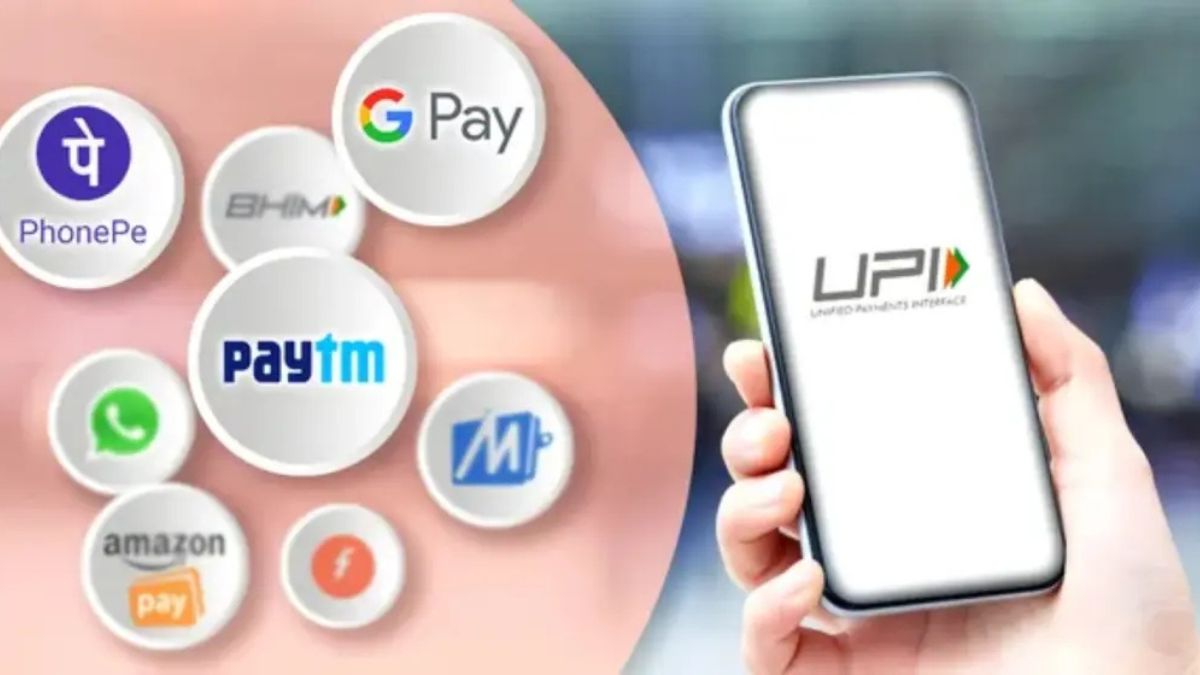
The Unified Payments Interface (UPI) was launched in 2016 by the National Payments Corporation of India (NPCI) to facilitate real-time, peer-to-peer, and person-to-merchant transactions. Initially, UPI had modest transaction limits to ensure security and manage risk. Over time, as the adoption of UPI grew, the transaction limits were gradually increased to accommodate higher-value transactions. The latest enhancement to ₹10 lakh per day for P2M transactions marks a significant milestone in UPI’s evolution, reflecting its maturity and the growing trust in digital payment systems.
Key Takeaways from “UPI Increases Daily P2M Limit to ₹10 Lakh”
| S.No | Key Takeaway |
|---|---|
| 1 | Enhanced Transaction Limits: Daily P2M limit increased to ₹10 lakh; per-transaction limit raised to ₹5 lakh for select categories. |
| 2 | Applicable Sectors: Includes insurance, capital markets, travel, GeM, and collections. |
| 3 | Credit Card and Jewellery Payments: Credit card bill payments up to ₹5 lakh per transaction; jewellery purchases up to ₹2 lakh per transaction. |
| 4 | No Change in P2P Limits: Daily P2P transaction limit remains at ₹1 lakh. |
| 5 | Effective Date: New limits effective from September 15, 2025. |
FAQs: Frequently Asked Questions
1. What is the new UPI daily P2M transaction limit?
The National Payments Corporation of India (NPCI) has raised the UPI daily Person-to-Merchant (P2M) transaction limit to ₹10 lakh for verified merchants in select sectors.
2. From when is the new UPI limit effective?
The new limits are effective from September 15, 2025.
3. Which sectors benefit from the enhanced UPI P2M limits?
The sectors include insurance, capital markets, travel, Government e-Marketplace (GeM), and collections.
4. Has the daily P2P (Person-to-Person) transaction limit changed?
No, the daily P2P transaction limit remains ₹1 lakh.
5. What is the per-transaction limit for credit card bill payments and jewellery purchases?
Credit card payments can go up to ₹5 lakh per transaction (daily cap ₹6 lakh), and jewellery purchases can be up to ₹2 lakh per transaction (daily cap ₹6 lakh).
6. How does the new UPI limit help digital payments adoption?
It allows high-value transactions to be completed in a single payment, promoting convenience and digital payment adoption in insurance, capital markets, travel, and government services.
7. Why did NPCI increase the UPI P2M limit?
To facilitate seamless high-value transactions, improve convenience for users, and align with global digital payment standards.
8. Is the new UPI limit applicable to all merchants?
No, the increased limit applies only to verified merchants in specified sectors.
9. How does this news impact students preparing for banking and government exams?
It is important for exams as it reflects government policies promoting financial inclusion, digital payments, and banking sector modernization.
10. What was the original UPI daily P2M limit before this increase?
Previously, the UPI daily P2M transaction limit was lower (₹2 lakh per day in general cases, varying by category).
Some Important Current Affairs Links