










The Significance of Khangchendzonga: The Highest Peak of Northeast India
Introduction to Khangchendzonga
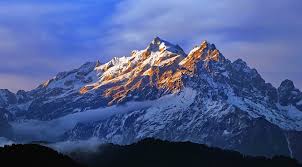
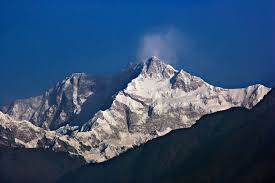
Khangchendzonga, standing at 8,586 meters, is recognized as the highest peak in Northeast India and the third highest mountain in the world. Nestled in the majestic Himalayas, this breathtaking peak straddles the border between India and Nepal, primarily located in Sikkim. Known for its stunning beauty and spiritual significance, Khangchendzonga is not just a geographical marvel but also a cultural treasure for the local populace.
Cultural and Spiritual Importance
The Khangchendzonga mountain range holds immense significance in the hearts of the Sikkimese people. It is considered a sacred site, revered by various communities, including the Lepchas and Bhutias. Local legends and beliefs associate the peak with various deities, making it a focal point of spirituality and tradition in the region. Festivals and rituals are often conducted to honor the mountain, further intertwining the natural landscape with cultural identity.
Ecological Diversity
The Khangchendzonga National Park, a UNESCO World Heritage Site, is home to a rich diversity of flora and fauna. The park showcases various ecosystems ranging from tropical to alpine, supporting unique wildlife, including the elusive snow leopard and red panda. The conservation efforts in this area play a crucial role in preserving biodiversity and combating climate change.
Adventure Tourism and Challenges
Khangchendzonga has emerged as a significant destination for adventure tourism. Trekking routes, especially the Khangchendzonga Base Camp trek, attract adventurers and nature enthusiasts from around the world. However, the region also faces challenges like climate change, which poses a threat to its delicate ecosystems and the livelihoods of local communities.
Conclusion
Khangchendzonga stands as a symbol of natural beauty, cultural heritage, and ecological significance. Its towering presence not only defines the landscape of Northeast India but also embodies the spirit and resilience of the local people. As the region continues to embrace sustainable tourism and conservation efforts, Khangchendzonga remains a vital asset for India’s geographical and cultural tapestry.
Why This News is Important
Preserving Natural Heritage
The news about Khangchendzonga being the highest peak in Northeast India emphasizes the need to preserve natural heritage. This mountain is a significant geographical landmark and serves as a vital ecological zone, housing unique species and diverse ecosystems. Protecting such natural sites is crucial for maintaining biodiversity and combating climate change.
Cultural Significance
Khangchendzonga is not just a mountain; it is deeply woven into the cultural fabric of the Sikkimese people. Understanding its cultural importance fosters respect for indigenous practices and beliefs, encouraging a sense of stewardship towards the environment. This knowledge is essential for government exams, particularly in subjects relating to geography and cultural studies.
Adventure and Economy
The peak’s recognition enhances its potential for adventure tourism, which can significantly boost the local economy. As tourism grows, it can provide employment opportunities and improve infrastructure in the region. This aspect is vital for candidates preparing for exams in fields related to tourism management and economic development.
Environmental Awareness
Highlighting Khangchendzonga brings attention to the environmental issues faced by the region. It underlines the importance of sustainable practices in tourism and conservation efforts, critical knowledge for students aspiring to work in environmental sciences or public policy.
International Recognition
Being the third highest peak globally, Khangchendzonga garners international attention. Its recognition can strengthen India’s position in global discussions about environmental conservation and tourism. Understanding these dynamics is beneficial for civil services aspirants focusing on international relations and environmental policies.
Historical Context
Early Expeditions
Khangchendzonga has been a point of interest for climbers and explorers since the early 20th century. The first successful ascent occurred in 1955 by a British expedition, marking a significant moment in mountaineering history. This event opened the doors for further exploration and study of the region’s geographical features.
Cultural Legends
The mountain is steeped in local myths and legends. According to the Lepcha community, Khangchendzonga is the guardian deity of the region, embodying their cultural heritage. Various festivals and traditions have evolved around the mountain, highlighting its significance in local history.
Environmental Changes
Over the decades, climate change has started affecting the Khangchendzonga region. Glacial retreats and changing weather patterns have raised concerns among scientists and local communities alike. Understanding these changes is vital for students preparing for exams in environmental science and climate studies.
Key Takeaways from “Khangchendzonga: The Highest Peak of Northeast India”
| Serial Number | Key Takeaway |
|---|---|
| 1 | Khangchendzonga is the highest peak in Northeast India, standing at 8,586 meters. |
| 2 | The mountain is culturally significant to the Sikkimese people, representing various deities. |
| 3 | Khangchendzonga National Park is a UNESCO World Heritage Site, rich in biodiversity. |
| 4 | Adventure tourism around Khangchendzonga is crucial for local economic development. |
| 5 | Climate change poses significant threats to the ecosystems around Khangchendzonga. |
Important FAQs for Students from this News
What is Khangchendzonga?
Khangchendzonga is the highest peak in Northeast India, standing at 8,586 meters, and is the third highest mountain in the world.
Why is Khangchendzonga culturally significant?
The mountain holds spiritual importance for the local Sikkimese communities, who consider it a sacred site and a guardian deity.
What ecosystems can be found in Khangchendzonga National Park?
The park hosts a diverse range of ecosystems, from tropical to alpine, supporting various species, including snow leopards and red pandas.
How does climate change affect Khangchendzonga?
Climate change leads to glacial retreats and alterations in weather patterns, which threaten the local ecology and communities.
What are the main challenges facing adventure tourism in the Khangchendzonga region?
The region faces challenges like environmental degradation, climate change, and the need for sustainable tourism practices to protect its natural resources.
Some Important Current Affairs Links




