








Tamil Nadu education policy 2025 retains two-language formula, rejects NEP’s three-language policy, abolishes Class 11 board exams, and promotes inclusive and technology-driven education reforms.
Tamil Nadu Unveils State Education Policy 2025 — A Bold Stand on Language and Autonomy
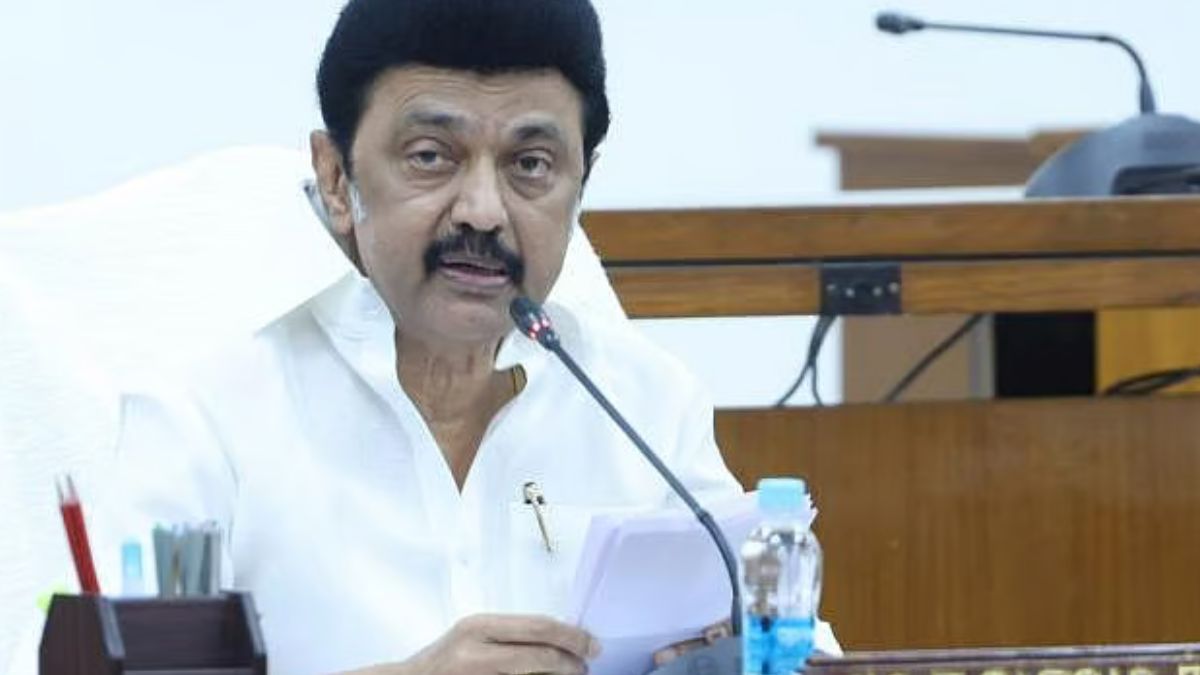
On August 8, 2025, Tamil Nadu Chief Minister M.K. Stalin unveiled the State Education Policy (SEP) 2025 at the Anna Centenary Library in Chennai. This 230-page document marks a significant departure from the National Education Policy (NEP) 2020, reflecting the state’s commitment to preserving its linguistic heritage and educational autonomy.
Commitment to the Two-Language Formula
A cornerstone of the SEP is the reaffirmation of Tamil Nadu’s two-language policy. The policy mandates that Tamil and English be the sole languages of instruction, explicitly rejecting the NEP’s three-language formula, which includes Hindi. This move aims to protect Tamil identity and prevent the imposition of Hindi in the state’s educational system.
Curricular and Pedagogical Reforms
The SEP introduces several reforms to enhance the quality of education. It abolishes Class 11 board examinations, retaining assessments only for Classes 10 and 12. The policy also continues the no-detention policy up to Class 8, promoting a stress-free learning environment. Additionally, the SEP emphasizes experiential, inquiry-based, and competency-driven learning, integrating arts, sports, and vocational education into the curriculum.
Focus on Higher Education and Inclusivity
Aiming for 100% higher education enrollment among students completing Plus Two, the SEP proposes undergraduate admissions based on consolidated marks from Classes 11 and 12, rather than entrance exams. This approach seeks to reduce the pressure of competitive exams and promote inclusivity.
Decentralized Governance and Transparency
The policy advocates for decentralized governance, strengthening School Management Committees, and promoting community partnerships. It also emphasizes transparency by mandating annual reports on school infrastructure and facilities. These measures aim to ensure accountability and local involvement in educational planning.
Technological Integration and Skill Development
Recognizing the importance of digital literacy, the SEP introduces subjects like Artificial Intelligence, data science, robotics, and financial planning. The policy also focuses on vocational education through industry partnerships, aiming to equip students with practical skills for the future workforce.

Why This News Is Important
Rejection of NEP’s Three-Language Formula
Tamil Nadu’s decision to reject the NEP’s three-language policy underscores the state’s commitment to linguistic diversity and autonomy in education. This move has significant implications for national educational discourse and federal relations.
Impact on Educational Assessment
The abolition of Class 11 board exams and the continuation of the no-detention policy reflect a shift towards a more holistic and student-friendly assessment system. These changes aim to reduce academic pressure and promote continuous learning.
Promotion of Inclusivity in Higher Education
By proposing undergraduate admissions based on consolidated marks from Classes 11 and 12, the SEP seeks to democratize access to higher education. This approach could serve as a model for other states aiming to reduce the emphasis on entrance exams.
Advocacy for Decentralized Educational Governance
The policy’s emphasis on decentralized governance and community involvement highlights the importance of local participation in educational planning. This approach could lead to more contextually relevant and effective educational strategies.
Integration of Technology and Skill Development
The introduction of subjects like AI and data science reflects the state’s recognition of the need to prepare students for the digital age. This focus on technological literacy and vocational skills is crucial for aligning education with future job markets.
Historical Context
Tamil Nadu’s educational policies have long been influenced by the Dravidian movement, which emphasizes social justice and linguistic pride. The state’s two-language policy, promoting Tamil and English, has been a cornerstone of its educational framework since the 1960s. This policy was introduced in opposition to the imposition of Hindi and has been a subject of political discourse in the region.
The NEP 2020, introduced by the central government, proposed a three-language formula, including Hindi, which was met with resistance in Tamil Nadu. The state’s decision to unveil its own education policy in 2025 is a continuation of its stance against the imposition of Hindi and a reaffirmation of its commitment to educational autonomy.
Key Takeaways from Tamil Nadu’s State Education Policy 2025
| S.No | Key Takeaway |
|---|---|
| 1 | Tamil and English are the only languages of instruction; Hindi is not mandated. |
| 2 | Class 11 board examinations are abolished; assessments are retained for Classes 10 and 12. |
| 3 | No-detention policy continues up to Class 8 to reduce academic stress. |
| 4 | Undergraduate admissions will be based on consolidated marks from Classes 11 and 12. |
| 5 | The policy emphasizes digital literacy, vocational education, and decentralized governance. |
FAQs: Frequently Asked Questions
How might Tamil Nadu’s SEP 2025 impact students preparing for government exams?
Understanding this policy is crucial as it reflects changes in language instruction, evaluation methods, and education governance which could influence exam syllabi and government recruitment policies.
What is the main feature of Tamil Nadu’s State Education Policy 2025?
Tamil Nadu’s SEP 2025 retains the two-language formula (Tamil and English) and rejects the NEP’s three-language policy that includes Hindi.
Which languages are mandated for instruction under Tamil Nadu’s new education policy?
Tamil and English are the only languages mandated for instruction.
What changes does the SEP 2025 introduce regarding board examinations?
The SEP abolishes Class 11 board examinations and retains exams only for Classes 10 and 12.
How does Tamil Nadu’s SEP 2025 propose undergraduate admissions?
Admissions will be based on consolidated marks from Classes 11 and 12, removing the need for entrance exams.
Does Tamil Nadu’s SEP 2025 continue the no-detention policy?
Yes, the no-detention policy is continued up to Class 8 to reduce student stress.
What emphasis does the policy place on technology and skills?
The policy integrates subjects like Artificial Intelligence, data science, robotics, and vocational education to enhance digital literacy and employability.
How does the SEP address educational governance?
It promotes decentralized governance through empowered School Management Committees and community involvement.
Why did Tamil Nadu reject the NEP’s three-language formula?
To preserve Tamil identity and prevent the imposition of Hindi in the education system.
What is the focus of the curricular reforms under the SEP?
The focus is on experiential, inquiry-based, and competency-driven learning integrating arts, sports, and vocational skills.
Some Important Current Affairs Links