


RECLAIM Framework for Sustainable Coal Mine Closure launched by India’s Coal Ministry promotes inclusive, community-led rehabilitation and ecological restoration of abandoned mines.
Launch of RECLAIM Framework by Coal Ministry for Sustainable Mine Closure
Introduction to the Initiative
On July 4, 2025, the Ministry of Coal, led by Union Minister G. Kishan Reddy, launched the RECLAIM framework—Responsible, Equitable, Community-led, Landscape-level Approach for Indian Mine closure. Developed by the Coal Controller Organisation in collaboration with the Heartfulness Institute, this policy-driven framework aims to ensure a just and inclusive mine closure process, supporting local communities during both closure and post-closure phases
A Structured Guide for Closure and Beyond
RECLAIM offers a step-by-step roadmap tailored for India’s socio-economic and geographical realities. It provides comprehensive toolkits, templates, and field-tested methodologies for implementation—focusing on community consultations, capacity building, ecological restoration, and livelihood transition
Key Objectives of the Framework
- Community Engagement: Institutionalizes grassroots participation at every stage—pre-closure, during closure, and after closure
- Gender and Vulnerable Groups: Ensures representation and active involvement of women and marginalized communities
- Local Governance Integration: Aligns closely with Panchayati Raj Institutions to reflect regional needs and priorities
- Ecological Restoration: Focuses on land reclamation, water-table regeneration, and afforestation to revive mining landscapes
- Livelihood Diversification: Supports sustainable income-generation through skilling, alternate jobs, and local enterprise promotion .
Implementation and Partnerships
The framework has already been trialed in select sites such as Singareni (Telangana), Dhanbad (Jharkhand), Damua (Madhya Pradesh), and Kachchh (Gujarat) under an MoU with the Heartfulness Foundation. These pilot programs focus on converting defunct coal mines into green zones while fostering eco-friendly livelihood opportunities
Towards a Just Transition
RECLAIM signals a strategic shift from mere scientific mine closures—which historically overlooked social and economic repercussions—to a holistic, community-centred approach. This model aligns with sustainable development goals, emphasising both environmental resilience and social equity, offering a replicable blueprint for other resource-intensive sectors
Why This News Is Important
Relevance to Government Exams
In competitive exams (SSC, Banking, Railways, UPSC/IAS), current affairs on environmental governance, policy frameworks, and community welfare are key for General Studies and Essay papers. The RECLAIM framework touches on salient themes like sustainable development, GHGs, and social inclusion—all pivotal for mains and interview stages.
Policy Reflection of Global Trends
RECLAIM reflects India’s alignment with global best practices in mine closure, akin to the U.S. Surface Mining Control and Reclamation Act. It represents India’s proactive approach to balancing environmental conservation with socio-economic empowerment
Addressing Major Challenges
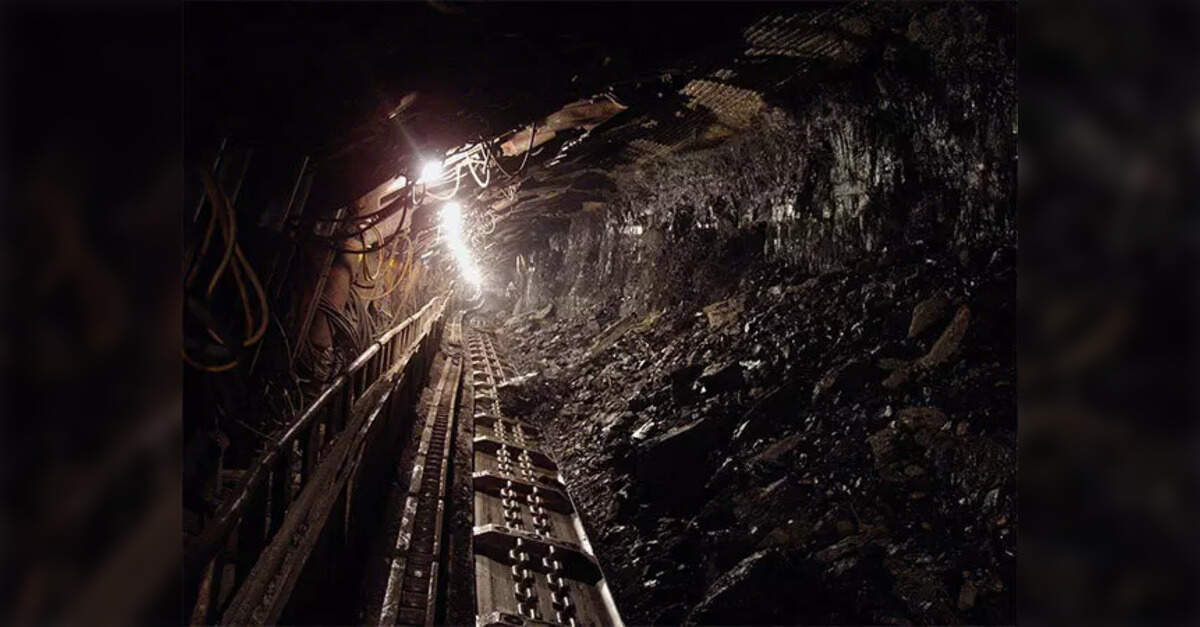
Unscientific coal mine closures have historically caused ecological degradation, methane emissions, and social displacement. With over 299 abandoned mines and only a handful formally closed, RECLAIM offers timely, structured solutions
Exam-Ready Perspectives
Questions in mains may ask to critique the socio-environmental effects of coal mining or analyse new government initiatives. RECLAIM serves as a case study exemplifying science-driven policy, institutional convergence, and grassroots-level engagement.
Historical Context
Origins of Mine Closure Policy in India
The concept of scientific mine closure emerged in 2008 following the National Mineral Policy. However, its implementation stalled—by 2024, India had 299 non-operational coal mines, and only 8 formal closures were recorded, with just 3 undergoing scientific processes
Environmental and Societal Fallout
Unclosed mines caused land degradation, open water bodies, and methane release. Communities living near such sites suffered due to unemployment, forced migration, and neglect—highlighting the urgent requirement for rehabilitation policies
The Coal Controller Organisation’s Role
In collaboration with the Heartfulness Institute, the Coal Controller Organisation conceptualised and designed RECLAIM. This partnership skillfully merged policy expertise with community-driven practices, supported by ministries of coal and environment
Pilot Projects and Environmental Restoration
MoUs signed for collaborative action in multiple states—Tokha, Kachchh, Dhanbad—aim at converting mines into restored green spaces. These sites are being piloted as testbeds for the RECLAIM approach
Key Takeaways from Launch of RECLAIM Framework
| No. | Key Takeaway |
|---|---|
| 1 | RECLAIM = Responsible, Equitable, Community-led, Landscape-level Approach for Indian Mine closure. |
| 2 | Launched on 4 July 2025 by Minister G. K. Reddy; developed by Coal Controller Organisation + Heartfulness Institute. |
| 3 | Focuses on inclusive community participation, with special emphasis on gender equity and vulnerable groups. |
| 4 | Entire closure lifecycle covered: pre-closure (planning), closure, post-closure (rehabilitation). |
| 5 | Pilot interventions in Telangana, Jharkhand, MP, Gujarat to create green spaces and sustainable livelihoods. |
FAQs – Frequently Asked Questions
1. What does RECLAIM stand for?
RECLAIM stands for Responsible, Equitable, Community-led, Landscape-level Approach for Indian Mine Closure.
2. Who launched the RECLAIM framework and when?
It was launched by Union Coal Minister G. Kishan Reddy on July 4, 2025.
3. What is the main purpose of the RECLAIM framework?
The RECLAIM framework aims to ensure inclusive, sustainable and community-led coal mine closures that support ecological restoration and alternative livelihood development.
4. Which organizations were involved in developing RECLAIM?
The framework was developed by the Coal Controller Organisation in partnership with the Heartfulness Institute.
5. Why is mine closure important?
Mine closures are essential to prevent environmental degradation, methane emissions, and social displacement while promoting sustainable post-mining land use.
6. What makes RECLAIM different from earlier mine closure methods?
RECLAIM emphasizes community consultation, gender inclusivity, and livelihood rehabilitation over just scientific or environmental compliance.
7. Where were RECLAIM pilot projects implemented?
Initial pilot sites include Singareni (Telangana), Dhanbad (Jharkhand), Damua (Madhya Pradesh), and Kachchh (Gujarat).
8. How can this topic be important for government exam aspirants?
It is relevant to topics under Environment & Ecology, Government Schemes, Sustainable Development, and Current Affairs for exams like UPSC, PSCs, SSC, Banking, and Defence.
Some Important Current Affairs Links




