





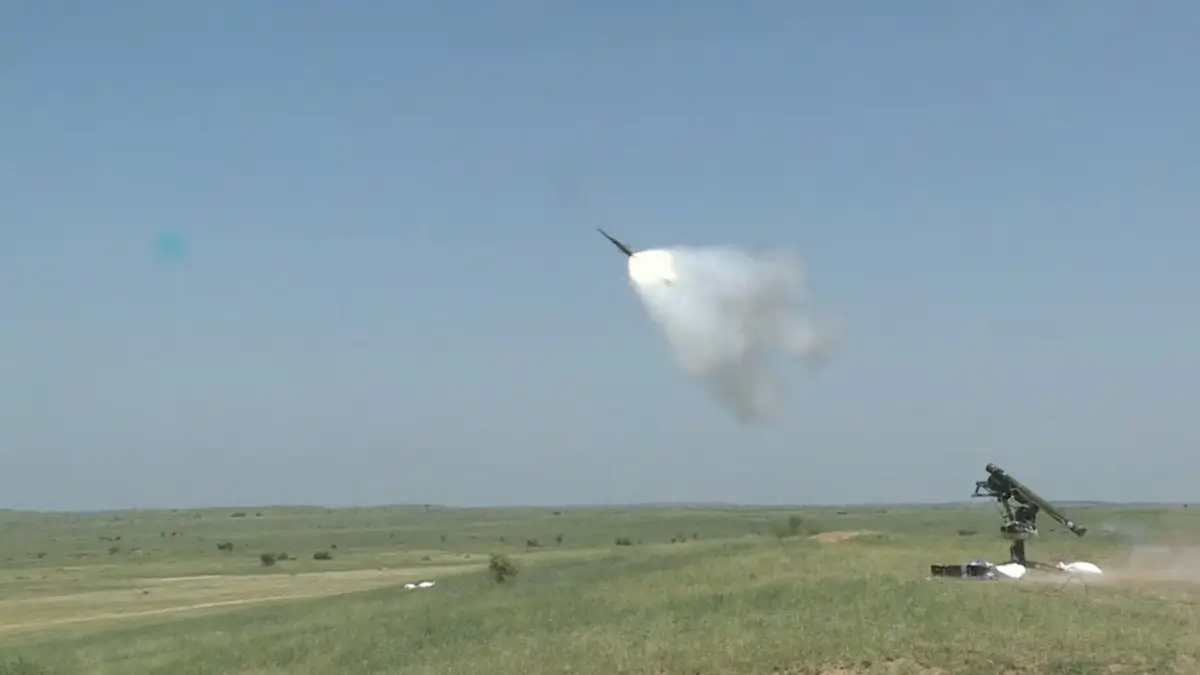
Strela-10 VSHORADS test firing at Pokhran highlights Indian Army’s air defence modernization. Learn key facts, exam relevance, MCQs, and important takeaways for UPSC, CDS, NDA, SSC, and PCS exams.
Indian Army Conducts Successful Strela-10 VSHORADS Test Firing at Pokhran
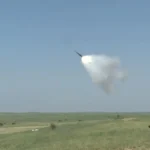
The Indian Army’s Konark Corps recently conducted a successful test firing of the Strela-10 Very Short-Range Air Defence System (VSHORADS) at the Pokhran Field Firing Range, located in the Jaisalmer district of Rajasthan. The exercise showcased the Army’s determination to enhance its air defence capabilities against low-altitude aerial threats including drones and helicopters.
The Strela-10 missile system is designed to provide protection to troops and assets from fast-moving aerial platforms. It is a highly mobile, tracked air defence weapon mounted on a vehicle, capable of engaging aircraft at short distances and low altitudes. The recent firing validated the system’s effectiveness under real-world operational conditions.
During the firing exercise, the missile successfully intercepted mock aerial targets, demonstrating its precision and agility. The Indian Army has increasingly prioritised self-defence mechanisms against emerging threats, especially unmanned aerial vehicles (UAVs) and low-flying aircraft that are difficult to detect using traditional defence systems.
This test firing also reflects India’s ongoing efforts to modernise its military hardware through a mix of indigenous development and strategic procurement, aimed at reducing dependency on imported systems. The Army has been integrating advanced technologies into its defence framework as part of broader force transformation initiatives.
The successful strike outcome at Pokhran not only confirms the operational readiness of the Strela-10 system but also highlights the Indian Army’s resolve in countering evolving aerial threats along volatile borders and forward postings.

Why This News Is Important
Strategic Defence Preparedness
The successful Strela-10 VSHORADS test firing marks a significant milestone in India’s defence preparedness. With the increasing use of drones, helicopters, and other low-altitude aerial platforms in modern conflicts, short-range air defence systems like the Strela-10 play a crucial role in safeguarding ground troops and critical assets.
Boost to Indigenous Capability
Although Strela-10 systems have origins in foreign technology, the Indian Army’s focus on integrating and testing such systems reflects a broader national goal of advancing self-sufficiency in defence technology. Successful live firings also build confidence in deploying these systems under real operational conditions.
Relevance for Competitive Exams
For students preparing for government exams like UPSC, CDS, CAPF, and Indian Army recruitment tests, understanding India’s defence strategies, missile systems, and air defence capabilities is essential. This news directly ties into modernisation of armed forces, national security dynamics, and India’s military readiness — topics frequently covered in General Studies papers.
Historical Context
Evolution of Air Defence in India
India has long recognised the importance of air defence systems to protect its armed forces and strategic installations. Traditionally, systems like Akash and Osa-AKM have been deployed for medium to long-range air defence roles. However, with advancements in aerial warfare technologies, there has been an increasing emphasis on short-range and very short-range systems. Modern battlefields see the extensive use of unmanned aerial vehicles (UAVs) and attack helicopters that operate at low altitudes, challenging older air defence mechanisms.
Strela-10’s Role
The Strela-10 (SA-13 Gopher) is a Russian-origin, short-range surface-to-air missile system that provides agile defence against low-flying targets. India procured these systems in the past to fill the gap between man-portable air defence systems (MANPADS) and larger missile platforms. Continuous testing and integration of such systems show India’s adaptability to technological trends in aerial threats.
Key Takeaways from “Indian Army Strela-10 VSHORADS Test Firing”
| S.No. | Key Takeaway |
|---|---|
| 1 | The Indian Army successfully test-fired the Strela-10 VSHORADS missile system at Pokhran. |
| 2 | Strela-10 VSHORADS enhances defence against low-altitude threats like drones and helicopters. |
| 3 | The exercise demonstrates the Army’s focus on modernising air defence capabilities. |
| 4 | Successful test firing validates the system’s operational readiness under real conditions. |
| 5 | The event holds importance for defence and national security questions in competitive exams. |
FAQs: Frequently Asked Questions
1. What is Strela-10 VSHORADS?
Strela-10 is a Very Short-Range Air Defence System (VSHORADS) designed to intercept low-altitude aerial threats such as helicopters, drones, and low-flying aircraft. It is a vehicle-mounted surface-to-air missile system used by the Indian Army for tactical air defence.
2. Where was the Strela-10 test firing conducted?
The successful test firing was conducted at the Pokhran Field Firing Range, a major military testing range in Rajasthan.
3. Which formation of the Indian Army conducted the test?
The exercise was conducted by the Indian Army Konark Corps, which operates in the western sector and plays a crucial role in desert warfare preparedness.
4. What is the significance of VSHORADS in modern warfare?
VSHORADS systems are critical in countering emerging threats such as UAVs, drones, and attack helicopters. They provide close-range protection to ground forces and vital installations.
5. What is the origin of the Strela-10 missile system?
The Strela-10 (NATO reporting name SA-13 Gopher) is of Russian origin and was developed during the Cold War era for mobile air defence operations.
6. Why is Pokhran important in India’s defence history?
Pokhran is historically significant as it was the site of India’s nuclear tests in 1974 and 1998, which established India as a nuclear-capable nation.
7. How is Strela-10 different from MANPADS?
Unlike Man-Portable Air Defence Systems (MANPADS), Strela-10 is vehicle-mounted, has better mobility, enhanced radar tracking, and greater operational sustainability.
8. How is this news relevant for UPSC and other government exams?
Questions related to defence exercises, missile systems, and military modernization frequently appear in exams like UPSC, CDS, CAPF, NDA, SSC, and state PCS exams.
Some Important Current Affairs Links