





Indian Orchid Festival 2026 in Sikkim concluded successfully, promoting orchid cultivation, floriculture entrepreneurship, and sustainable horticulture practices across North-East India.
Indian Orchid Festival 2026 Concludes in Sikkim: A Boost to Floriculture and Horticulture Sector
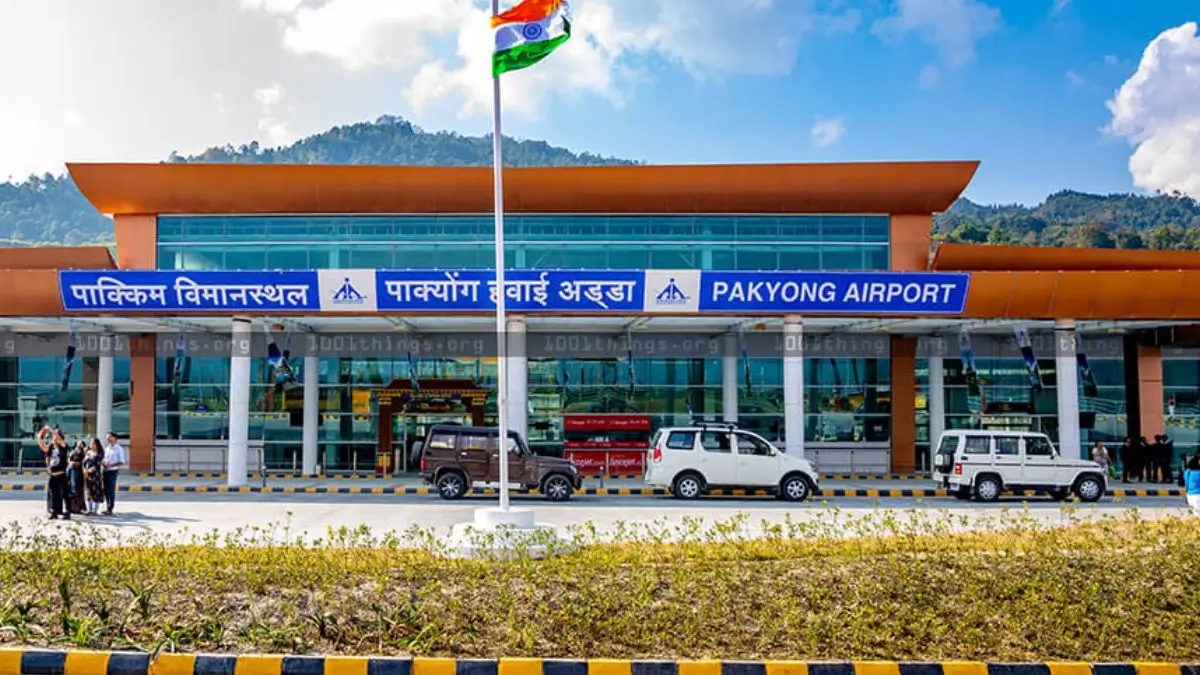
The Indian Orchid Festival 2026 successfully concluded its four‑day event in the Pakyong district of Sikkim, marking a significant milestone in the promotion of floriculture and sustainable horticulture practices in India. Organised by the Indian Council of Agricultural Research – National Research Centre for Orchids (ICAR‑NRCO) with the theme “Orchids for Beauty & Prosperity”, this year’s event attracted orchid growers, floriculture entrepreneurs, researchers, and industry experts from across the country.
Theme and Key Focus Areas of the Festival
Held under the evocative theme “Orchids for Beauty & Prosperity,” the festival aimed to showcase the aesthetic appeal of orchids as ornamental blooms and emphasise their economic potential in the floriculture sector. Unlike a conventional flower show, this event combined scientific sessions, farmer interaction, technical demonstrations, and industry participation to offer a holistic approach to orchid cultivation, technology adoption, and market linkages.
Participation and Collaborative Engagement
The festival witnessed participation from a wide range of stakeholders, including orchid growers, nursery owners, tissue culture firms, marketing companies, scientists, and floriculture enthusiasts. These participants gained first‑hand insights into modern cultivation techniques, value addition, and commercial opportunities in orchid production. Technical experts also shared practical knowledge aimed at helping growers enhance yield, improve quality, and adopt sustainable farming practices.
Government Support and Future Outlook
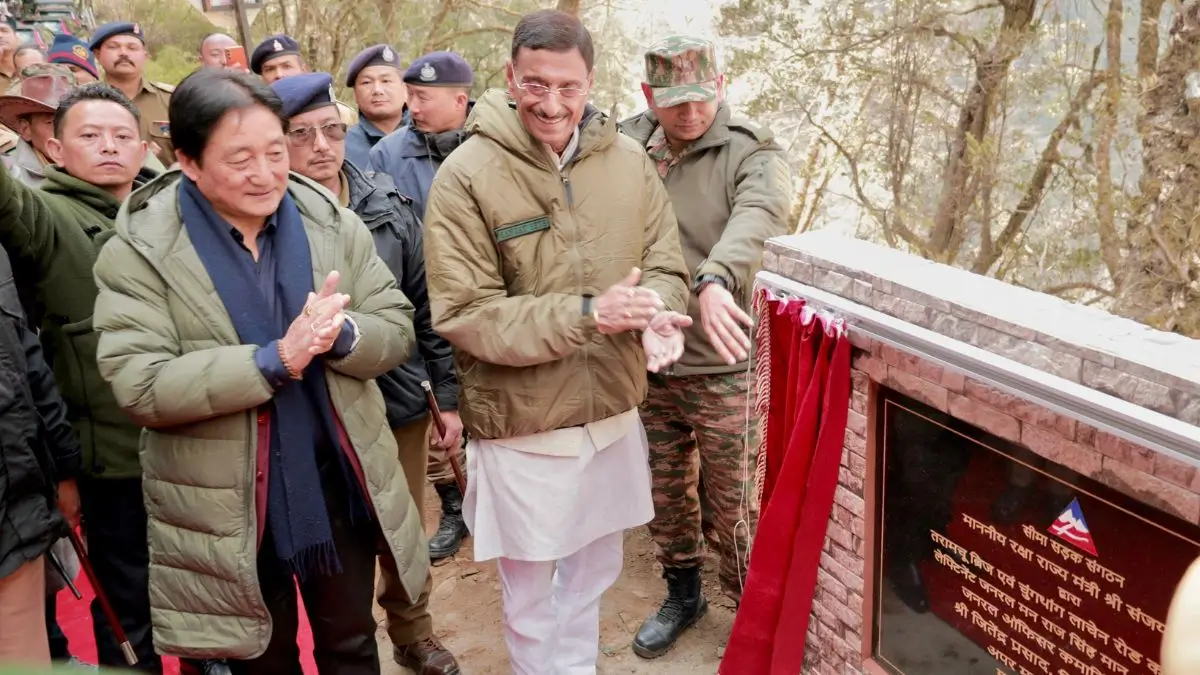
Senior officials, including Puran Gurung, the Minister for Agriculture and Horticulture for the Government of Sikkim, graced the closing ceremony as the chief guest. They reiterated the government’s commitment to strengthen the horticulture sector, particularly in the North‑Eastern region, where climatic conditions favor ornamental plant cultivation. The minister also hinted at plans to elevate such events to North East India level collaborations, enhancing exposure and opportunities for local growers.
Economic Potential and Cultural Significance
Orchid cultivation in India has both economic and cultural importance, especially in Himalayan and North‑Eastern states like Sikkim. India’s rich biodiversity includes over 1,300 species of orchids, making these flowers a significant part of local ecosystems as well as commercial floriculture markets. Festival platforms like this help bridge the gap between science and entrepreneurship, motivating youth and farmers to tap into the floriculture economy.

Why This News is Important for Government Exam Aspirants
Relevance to Economy, Agriculture & Environment
The conclusion of the Indian Orchid Festival 2026 holds significant importance for students preparing for government competitive exams (such as SSC, UPSC, Banking, Railways, Teaching, and Defence) because it sheds light on key agriculture and economic development topics that often appear in current affairs sections of exam papers. It highlights how government and research institutions are promoting floriculture as a viable livelihood option and linking scientific research with grass‑root level growers.
Focus on Government Initiatives and Sustainable Practices
This festival reflects broader government focus on sustainable agriculture and allied sectors, aligning with strategies to improve rural income, promote entrepreneurship, and market diversification. Understanding such events gives aspirants insight into national schemes and collaborations that support agriculture, horticulture, and rural development — all of which are important for General Studies papers in UPSC and other government exams.
Enhances Knowledge on North‑East India Development
The news also underscores the developmental emphasis on North‑Eastern states, a common topic in Geography and Economy sections. By studying events like this, students gain awareness of region‑specific policies, biodiversity importance, and economic potentials associated with horticulture in these states.
Historical Context: Indian Orchid Festival & Floriculture in India
India has a rich history of floriculture, deeply rooted in cultural celebrations, temple decorations, and ornamental gardening traditions. Regions like the North‑East and Himalayan states are especially rich in orchid species due to favorable climatic conditions. Recognising this potential, the ICAR‑National Research Centre for Orchids (NRCO) initiated the Indian Orchid Festival in 2025 to promote scientific cultivation, market development, and sustainable practices among growers.
The first edition of the Indian Orchid Festival was organised in 2025 in Pakyong, Sikkim, featuring colourful orchid displays, competitions, and technical sessions with experts from across India. This laid the foundation for the 2026 event, building on collaboration between government bodies, entrepreneurs, and research institutes to scale up orchid cultivation and floriculture‑based entrepreneurship.
Over time, festivals like this have helped foster community engagement, promote biodiversity conservation, and create business opportunities in ornamental horticulture — which is emerging as a priority sector in India’s agricultural economy.
Key Takeaways from Indian Orchid Festival 2026
| S.No | Key Takeaway |
|---|---|
| 1. | The Indian Orchid Festival 2026 concluded in Pakyong, Sikkim, after four days of exhibitions and interactions. |
| 2. | The event was organized by ICAR‑National Research Centre for Orchids (ICAR‑NRCO) under the theme “Orchids for Beauty & Prosperity”. |
| 3. | It promoted orchid cultivation, floriculture entrepreneurship, and sustainable horticulture practices. |
| 4. | Participation included orchid growers, nursery owners, tissue culture firms, and technical experts from across India. |
| 5. | Government officials highlighted plans to expand such events at the North East India regional level to strengthen horticulture markets. |
FAQs: Frequently Asked Questions
1. What is the Indian Orchid Festival 2026?
The Indian Orchid Festival 2026 was a four-day event held in Pakyong, Sikkim, organised by the ICAR-National Research Centre for Orchids (ICAR-NRCO). It showcased orchid cultivation, floriculture entrepreneurship, and sustainable horticulture practices.
2. What was the theme of the festival?
The festival’s theme was “Orchids for Beauty & Prosperity,” highlighting both the aesthetic appeal and economic potential of orchids in India.
3. Who participated in the Indian Orchid Festival 2026?
Participants included orchid growers, nursery owners, tissue culture firms, marketing companies, scientists, and floriculture enthusiasts from across India.
4. Why is the festival important for government exam aspirants?
It is important because it highlights government initiatives in floriculture, regional economic development, sustainable horticulture, and North-Eastern biodiversity, all of which are relevant for exams like UPSC, SSC, Banking, Railways, and State PSCs.
5. Which government official attended the festival?
Puran Gurung, the Minister for Agriculture and Horticulture of Sikkim, attended the closing ceremony as the chief guest and emphasized expanding horticulture initiatives in the North-East.
6. How does India benefit economically from orchids?
India, with over 1,300 orchid species, benefits economically through commercial floriculture, tissue culture propagation, and ornamental plant exports, providing livelihood opportunities to rural communities.
7. When was the first Indian Orchid Festival organized?
The first festival was held in 2025 at Pakyong, Sikkim, laying the foundation for subsequent annual events.
8. Which organization is responsible for research on orchids in India?
The ICAR-National Research Centre for Orchids (ICAR-NRCO) conducts research, technical training, and market development for orchids in India.
Some Important Current Affairs Links