







Siddi tribal literacy achievement highlights 72% literacy rate among PVTG community, showcasing successful government education schemes and cultural progress in India.
📰 Siddi Tribal Community Achieves 72% Literacy Rate
📚 Introduction
In a remarkable achievement, the Siddi tribal community in India has surpassed a 72% literacy rate, a significant milestone for a group traditionally categorized under Particularly Vulnerable Tribal Groups (PVTGs). This accomplishment underscores the effectiveness of targeted educational initiatives and the community’s resilience.
👥 About the Siddi Community
The Siddis are an Indo-African ethnic group descended from the Bantu people of East Africa. Their ancestors arrived in India in two major waves: first with Arab traders in the 7th century and later with Portuguese and British colonists in the 16th century. Today, they primarily reside in the western and southwestern states of India, including Gujarat, Karnataka, Maharashtra, and Telangana. Recognized as a Scheduled Tribe in 2003, the Siddis are also listed as a PVTG, which qualifies them for special government schemes aimed at their socio-economic development.
🎓 Educational Initiatives and Impact
Achieving a 72% literacy rate is a historic social accomplishment for the Siddi community, indicating:
- Successful Government and Social Initiatives: The government’s targeted programs have effectively reached marginalized communities.
- High School Enrollment: Increased enrollment rates among Siddi children reflect improved access to education.
- Positive Social and Economic Progress: Higher literacy rates are associated with better employment opportunities and improved quality of life.
- Increased Awareness of Government Programs: Education has led to greater awareness and utilization of governmental welfare schemes.
- Improved Social Participation: Educated individuals are more likely to engage in social and political processes, contributing to community development.
These outcomes highlight the transformative power of education in uplifting marginalized communities.
📍 Geographical Distribution
The Siddi community is primarily concentrated in:
- Gujarat: Notably in the Junagadh and Gir Forest regions.
- Karnataka: Especially in the Uttara Kannada district.
- Maharashtra and Telangana: Other states with significant Siddi populations.
Despite their widespread presence, the Siddi population remains relatively small and often resides in rural and forested areas, sometimes facing challenges in accessing basic services.
🕺 Cultural Heritage
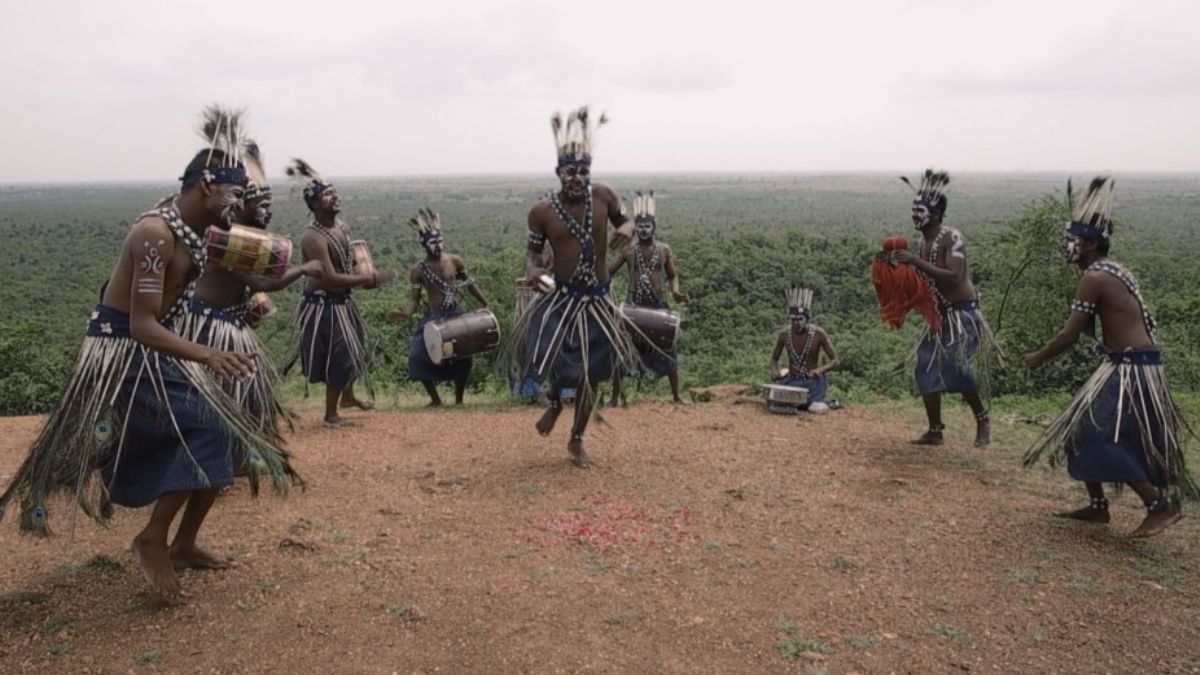
The Siddis have preserved a rich cultural heritage that reflects their African roots. They are renowned for their musical and dance traditions, including:
- Dhamal Dance: An energetic and rhythmic folk dance performed by men.
- Rasda Dance: A symbolic community dance performed during festivals.
These cultural expressions showcase the fusion of African heritage with Indian traditions, contributing to the diverse cultural tapestry of India.

🧠 Why This News is Important
✅ Significance of the Literacy Achievement
The Siddi community’s attainment of a 72% literacy rate is a testament to the success of inclusive educational policies and the community’s commitment to progress. This milestone not only reflects improved access to education but also signifies a broader social transformation, where marginalized groups are gaining the tools to participate fully in society.
✅ Implications for Policy and Governance
This achievement underscores the importance of targeted interventions for PVTGs. It highlights the need for continued investment in education, healthcare, and infrastructure in tribal areas to ensure sustainable development. Moreover, it serves as a model for other regions with similar demographic challenges, demonstrating that with the right support, marginalized communities can overcome historical disadvantages.
🕰️ Historical Context
📜 Origins and Migration
The Siddis’ African ancestry traces back to the Bantu people of East Africa. Their migration to India occurred in two significant waves:
- 7th Century: Arab traders brought the first wave of Siddis to the Indian subcontinent.
- 16th Century: The Portuguese and British colonists introduced the second wave, with many Siddis brought as slaves or servants.
🏞️ Settlement and Recognition
Over time, the Siddis settled in various parts of India, particularly in Gujarat, Karnataka, Maharashtra, and Telangana. In 2003, the Government of India officially recognized the Siddis as a Scheduled Tribe, acknowledging their unique cultural and historical identity. Later, they were categorized as a Particularly Vulnerable Tribal Group, qualifying them for special governmental support aimed at their upliftment.
✅ Key Takeaways from “Siddi Tribal Community Achieves 72% Literacy Rate”
| No. | Key Takeaway |
|---|---|
| 1 | Siddi Community’s Literacy Milestone: Achieved a 72% literacy rate, surpassing many other tribal groups in India. |
| 2 | Government Recognition: Officially recognized as a Scheduled Tribe in 2003 and as a PVTG, qualifying for special schemes. |
| 3 | Cultural Heritage: Preserved African-influenced traditions like Dhamal and Rasda dances. |
| 4 | Geographical Distribution: Primarily found in Gujarat, Karnataka, Maharashtra, and Telangana. |
| 5 | Historical Migration: Descendants of Bantu people who arrived in India through Arab, Portuguese, and British routes. |
FAQs: Frequently Asked Questions
1. Who are the Siddi tribal community?
The Siddis are an Indo-African ethnic group descended from the Bantu people of East Africa, settled in India primarily in Gujarat, Karnataka, Maharashtra, and Telangana.
2. What is the current literacy rate of the Siddi community?
The Siddi tribal community has achieved a 72% literacy rate, marking significant progress in education among PVTGs.
3. When were the Siddis recognized as a Scheduled Tribe in India?
The Siddis were officially recognized as a Scheduled Tribe in 2003, which made them eligible for government welfare schemes.
4. What are some cultural traditions of the Siddi community?
The Siddis are known for their African-influenced cultural heritage, including folk dances like Dhamal and Rasda.
5. Why is the Siddi literacy achievement significant for India?
It highlights the success of targeted educational policies, showcases social transformation among marginalized communities, and serves as a model for similar PVTGs.
6. What does PVTG mean?
PVTG stands for Particularly Vulnerable Tribal Group, a designation given to tribes that require special government interventions for socio-economic development.
Some Important Current Affairs Links