






Samudra Shakti 2025: India and Indonesia conducted the 5th edition of the bilateral naval exercise in Visakhapatnam, enhancing maritime cooperation and regional security in the Indo-Pacific.
India and Indonesia Begin 5th Samudra Shakti Naval Exercise
The Indian Navy is hosting the fifth edition of the Indo-Indonesian bilateral maritime exercise, Samudra Shakti 2025, in Visakhapatnam from October 14 to 17, 2025. This biennial exercise aims to bolster maritime cooperation between the two nations and enhance interoperability in the Indo-Pacific region.
Objectives of Samudra Shakti 2025
The primary objectives of Samudra Shakti 2025 include:
- Enhancing Interoperability: Improving coordination between the Indian and Indonesian navies through joint operations and shared best practices.
- Strengthening Bilateral Ties: Fostering stronger diplomatic and military relations between India and Indonesia.
- Promoting Maritime Security: Collaborating to ensure peace and stability in the Indo-Pacific maritime domain.
Key Phases of the Exercise
The exercise comprises two main phases:
- Harbour Phase: Conducted in Visakhapatnam, this phase includes professional exchanges, cross-deck visits, and cultural interactions to build camaraderie between the participating personnel.
- Sea Phase: Involving complex maritime operations, this phase focuses on enhancing tactical coordination through exercises such as air defence drills, helicopter operations, weapon firing, and Visit, Board, Search, and Seizure (VBSS) operations.
Participating Units
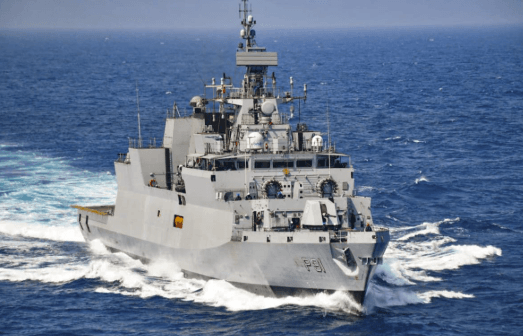
The Indian Navy is represented by the Anti-Submarine Warfare Corvette INS Kavaratti, while the Indonesian Navy is participating with the Corvette KRI John Lie, which includes an integral helicopter. These units will engage in various drills designed to improve operational synergy and combat readiness.
Strategic Significance
Samudra Shakti 2025 underscores the shared commitment of India and Indonesia to maintaining a free, open, and inclusive Indo-Pacific region. The exercise reflects the growing maritime partnership between the two nations and their collective efforts to address common security challenges.

Why This News Is Important
Strengthening Bilateral Relations
The Samudra Shakti series exemplifies the deepening defense ties between India and Indonesia. By conducting joint exercises, both nations aim to enhance mutual understanding and trust, paving the way for more robust strategic partnerships in the future.
Enhancing Maritime Security
With the Indo-Pacific region being a focal point for global maritime trade and security concerns, this exercise plays a crucial role in ensuring the safety and stability of sea lanes. Collaborative efforts between India and Indonesia contribute significantly to regional maritime security initiatives.
Promoting Regional Stability
The exercise aligns with India’s “Act East” policy, emphasizing stronger ties with Southeast Asian nations. By engaging in such bilateral exercises, India and Indonesia send a clear message of their commitment to regional peace and stability.
Demonstrating Naval Capabilities
Samudra Shakti 2025 showcases the advanced naval capabilities of both India and Indonesia. The participation of modern warships and sophisticated equipment highlights the technological advancements and preparedness of their naval forces.
Contributing to Global Maritime Cooperation
This exercise sets a precedent for other nations to engage in similar collaborative efforts, fostering a spirit of cooperation and shared responsibility in addressing global maritime challenges.
Historical Context
Inception of Samudra Shakti
The Samudra Shakti exercise was initiated in 2018 as a bilateral naval engagement between India and Indonesia. The inaugural edition was held in Surabaya, Indonesia, marking the beginning of a series aimed at enhancing maritime cooperation between the two nations.
Evolution Over the Years
Since its inception, the exercise has evolved in scope and complexity. Subsequent editions have been conducted in various locations, including the Bay of Bengal in 2019 and the Sunda Strait in 2021. Each iteration has seen increased participation and more advanced training scenarios, reflecting the growing strategic partnership between India and Indonesia.
Alignment with Regional Policies
The Samudra Shakti series aligns with India’s “Act East” policy, which focuses on strengthening ties with Southeast Asian nations. By engaging in such bilateral exercises, India aims to enhance its strategic footprint in the Indo-Pacific region and promote regional security.
Key Takeaways from “India and Indonesia Begin 5th Samudra Shakti Naval Exercise”
| S.No | Key Takeaway |
|---|---|
| 1 | The fifth edition of Samudra Shakti was held in Visakhapatnam from October 14–17, 2025. |
| 2 | The exercise aimed to enhance interoperability and strengthen bilateral maritime cooperation between India and Indonesia. |
| 3 | INS Kavaratti and KRI John Lie participated, engaging in harbour and sea phases. |
| 4 | Activities included air defence drills, weapon firing, VBSS operations, and helicopter operations. |
| 5 | The exercise underscores the commitment of both nations to maintaining peace and stability in the Indo-Pacific region. |
FAQs: Frequently Asked Questions
1. What is Samudra Shakti?
Samudra Shakti is a bilateral naval exercise conducted between India and Indonesia to enhance maritime cooperation, interoperability, and regional security in the Indo-Pacific.
2. When and where was the 5th edition of Samudra Shakti held?
The 5th edition was held in Visakhapatnam, India, from October 14 to 17, 2025.
3. Which ships participated in the exercise?
The Indian Navy participated with the Anti-Submarine Warfare Corvette INS Kavaratti, while the Indonesian Navy deployed the Corvette KRI John Lie along with its integral helicopter.
4. What are the main objectives of Samudra Shakti 2025?
The objectives include enhancing interoperability between navies, strengthening bilateral ties, promoting maritime security, and ensuring regional stability in the Indo-Pacific.
5. What are the main phases of the exercise?
The exercise has two main phases:
- Harbour Phase: Includes professional exchanges, cultural interactions, and cross-deck visits.
- Sea Phase: Involves complex maritime operations such as air defence drills, VBSS operations, helicopter operations, and weapon firing.
6. How does Samudra Shakti contribute to regional security?
By improving coordination between India and Indonesia, the exercise ensures peace, stability, and a free and open Indo-Pacific, addressing common maritime security challenges.
7. How is Samudra Shakti related to India’s Act East Policy?
The exercise strengthens India’s ties with Southeast Asian nations, aligning with the Act East Policy to enhance strategic partnerships and regional security.
Some Important Current Affairs Links