

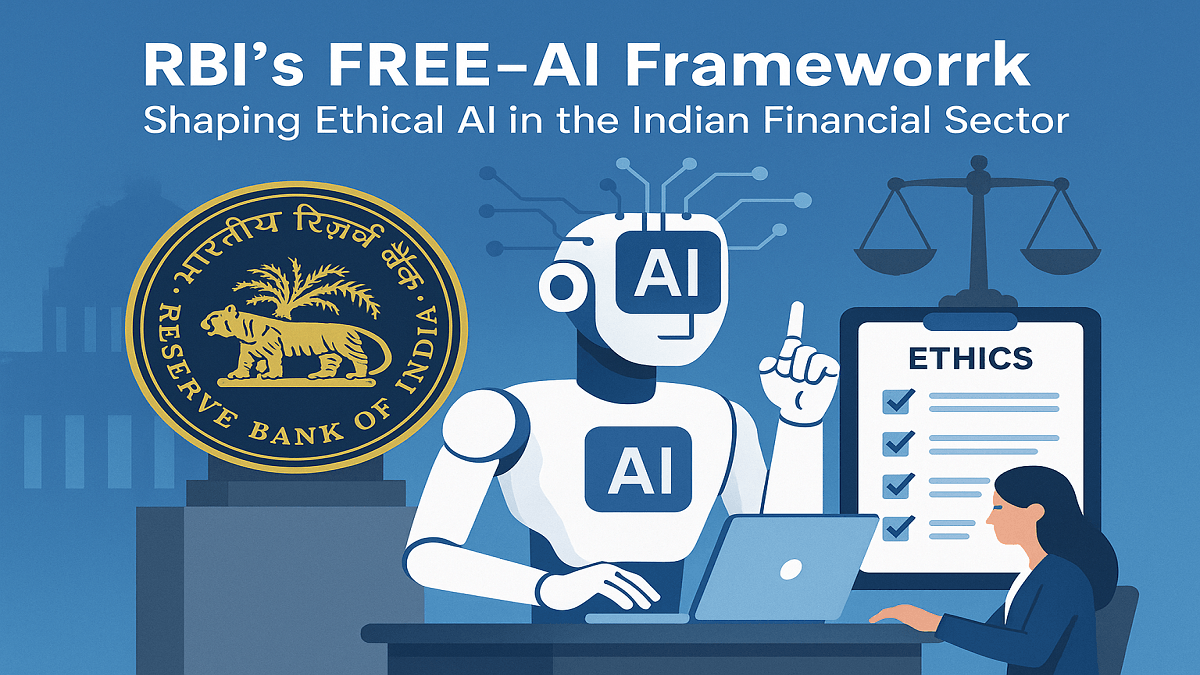
RBI ethical AI framework introduced in 2025 ensures transparency, accountability, and risk management in Indian financial sector AI systems. Learn key points for exams.
RBI’s FREE-AI Framework: Pioneering Ethical AI in India’s Financial Sector
Introduction to RBI’s FREE-AI Framework
The Reserve Bank of India (RBI) has introduced the FREE-AI Framework, a pioneering initiative aimed at ensuring the ethical and responsible use of Artificial Intelligence (AI) within the Indian financial sector. This framework is designed to provide a structured approach for financial institutions to develop and deploy AI technologies that are transparent, accountable, and aligned with regulatory standards.
Objectives of the FREE-AI Framework
The primary objectives of the FREE-AI Framework include:
- Fostering Innovation: Encouraging financial institutions to leverage AI for innovative solutions while maintaining ethical standards.
- Ensuring Transparency: Mandating that AI systems are explainable and their decisions can be audited.
- Promoting Accountability: Establishing clear accountability for AI-driven decisions and actions within financial institutions.
- Mitigating Risks: Identifying and addressing potential risks associated with AI deployment in financial services.
Key Components of the Framework
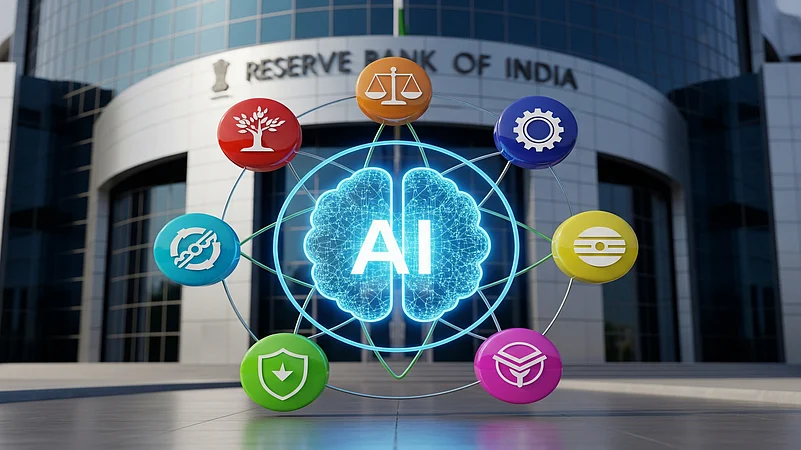
The FREE-AI Framework comprises several key components:
- Ethical Guidelines: Establishing ethical principles for AI development and deployment.
- Risk Management Protocols: Implementing protocols to identify, assess, and mitigate risks associated with AI systems.
- Governance Structures: Defining governance structures to oversee AI initiatives and ensure compliance with ethical standards.
- Training and Capacity Building: Providing training programs to enhance the understanding and capabilities of stakeholders in managing AI technologies.
Implementation Strategy
The RBI plans to implement the FREE-AI Framework through a phased approach:
- Awareness Campaigns: Conducting awareness programs to educate financial institutions about the framework.
- Capacity Building: Offering training sessions and workshops to build the necessary skills for effective AI governance.
- Monitoring and Evaluation: Establishing mechanisms to monitor the implementation of the framework and evaluate its effectiveness.
Anticipated Impact on the Financial Sector
The implementation of the FREE-AI Framework is expected to have several positive impacts on the Indian financial sector:
- Enhanced Trust: Building public trust in AI-driven financial services through transparency and accountability.
- Risk Reduction: Minimizing risks associated with AI systems through robust governance and risk management practices.
- Global Competitiveness: Positioning India as a leader in ethical AI deployment in the financial sector on the global stage.
Why This News is Important
Significance for the Indian Financial Sector
The introduction of the FREE-AI Framework by the RBI marks a significant step towards integrating ethical AI practices within the Indian financial sector. As AI technologies become increasingly prevalent in financial services, ensuring their ethical deployment is crucial to maintaining public trust and safeguarding against potential risks.
Implications for Financial Institutions
Financial institutions are now required to align their AI initiatives with the guidelines set forth in the FREE-AI Framework. This necessitates a comprehensive review of existing AI systems and the implementation of necessary changes to comply with ethical standards. Institutions that successfully adopt these practices are likely to gain a competitive edge in the market.
Relevance for Government Exams
For students preparing for government exams, particularly those focusing on banking, finance, and technology governance, understanding the RBI’s FREE-AI Framework is essential. Questions related to AI ethics, regulatory frameworks, and the role of the RBI in overseeing financial technologies are increasingly relevant in current affairs sections of various competitive exams.
Historical Context
Evolution of AI in the Financial Sector
The use of AI in the financial sector has evolved over the past few decades, from basic automation of tasks to the development of sophisticated algorithms capable of making complex decisions. Initially, AI applications were limited to areas such as fraud detection and customer service. However, with advancements in machine learning and data analytics, AI is now being utilized for credit scoring, risk assessment, and personalized financial services.
Emergence of Ethical Concerns
As AI systems became more integrated into financial services, ethical concerns began to surface. Issues such as algorithmic bias, lack of transparency, and accountability in AI decision-making processes raised questions about the fairness and reliability of AI-driven financial services. These concerns prompted regulatory bodies worldwide to consider frameworks to ensure the ethical use of AI.
RBI’s Role in AI Governance
Recognizing the need for ethical AI practices, the RBI established an 8-member committee led by IIT Bombay professor Pushpak Bhattacharyya in 2024. This committee was tasked with developing a framework for the responsible and ethical use of AI in the financial sector. The outcome of their efforts is the FREE-AI Framework, which aims to address the ethical challenges associated with AI deployment in financial services.
Key Takeaways from RBI’s FREE-AI Framework
| No. | Key Takeaway |
|---|---|
| 1 | The RBI has introduced the FREE-AI Framework to ensure ethical AI practices in the financial sector. |
| 2 | The framework emphasizes transparency, accountability, and risk management in AI systems. |
| 3 | Financial institutions are required to align their AI initiatives with the guidelines set forth in the framework. |
| 4 | The implementation of the framework is expected to enhance public trust and reduce risks associated with AI in finance. |
| 5 | Understanding the FREE-AI Framework is crucial for students preparing for government exams related to banking and finance. |
FAQs on RBI’s FREE-AI Framework
Q1. What is the RBI FREE-AI Framework?
A: The RBI FREE-AI Framework is a guideline introduced by the Reserve Bank of India to ensure the ethical, transparent, and accountable use of Artificial Intelligence in the Indian financial sector.
Q2. Who led the committee that developed the FREE-AI Framework?
A: The 8-member committee was headed by Professor Pushpak Bhattacharyya from IIT Bombay in 2024.
Q3. What are the main objectives of the FREE-AI Framework?
A: The main objectives include fostering innovation, ensuring transparency, promoting accountability, and mitigating risks associated with AI in financial services.
Q4. How will the framework impact financial institutions?
A: Financial institutions must align their AI initiatives with the framework, which involves implementing ethical guidelines, governance structures, and risk management protocols.
Q5. Why is the FREE-AI Framework important for government exam aspirants?
A: Understanding the framework helps aspirants prepare for questions on AI ethics, regulatory guidelines, and RBI initiatives, which are relevant in banking, civil services, and finance exams.
Q6. What are the key components of the framework?
A: Key components include ethical guidelines, risk management protocols, governance structures, and training programs for stakeholders.
Q7. When was the FREE-AI Framework introduced?
A: The framework was released in 2025 following the recommendations of the RBI committee formed in 2024.
Some Important Current Affairs Links