










Drone AI artificial rain India: Rajasthan launches Jaipur cloud seeding experiment using AI-powered drones to induce rainfall, recharge groundwater, and improve crop yields.
🌧️ India’s First Drone-AI Powered Artificial Rain Experiment Launched in Jaipur
Introduction to the Innovative Initiative
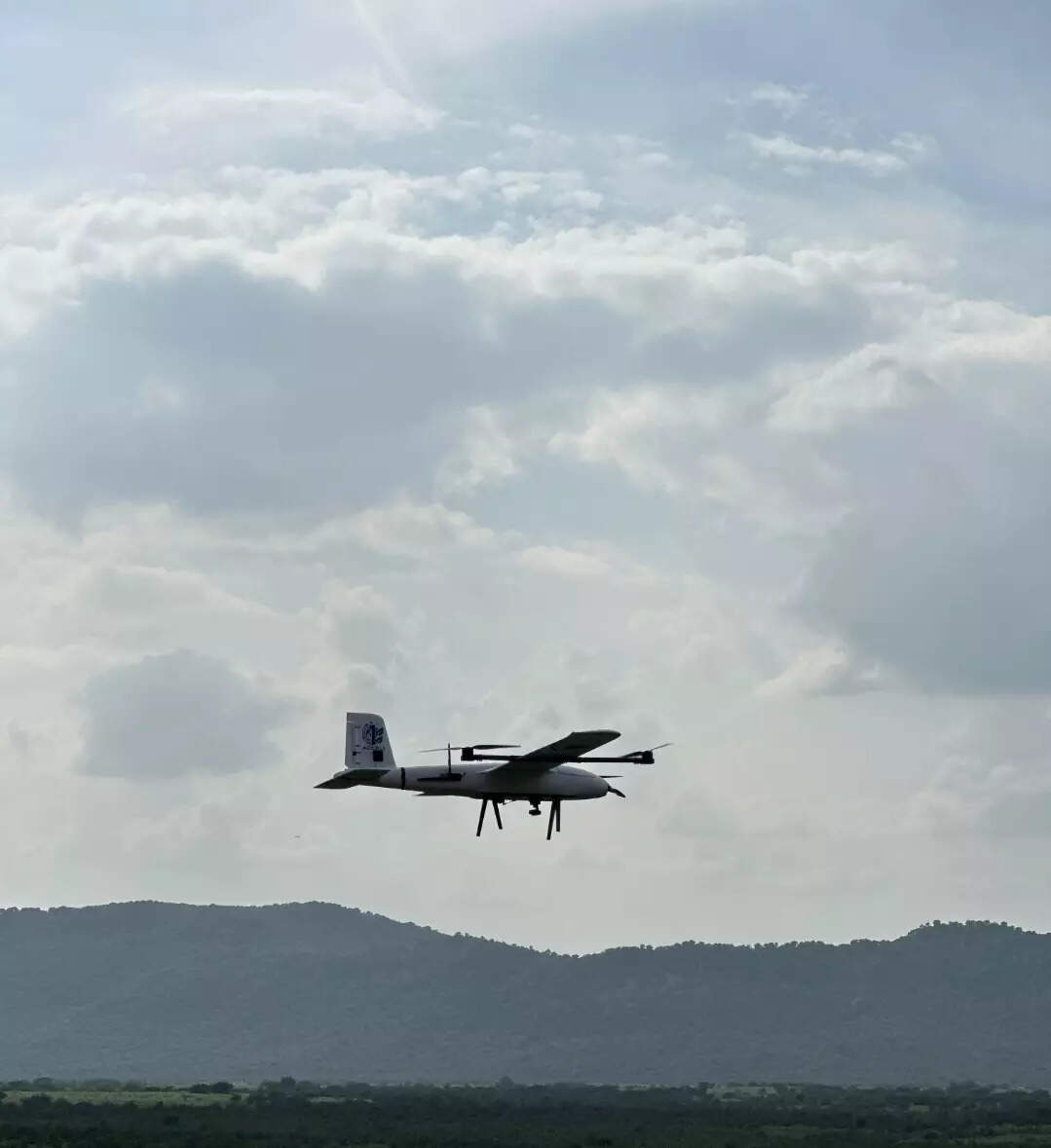
On August 12, 2025, the Rajasthan government launched India’s pioneering drone-based artificial rain experiment at the Ramgarh Dam near Jaipur. This groundbreaking project aims to address the region’s water scarcity issues by inducing rainfall through cloud seeding techniques. The initiative is a collaborative effort between the Rajasthan Agriculture Department and GenX AI, a technology firm with bases in the US and Bengaluru.
The Technology Behind the Experiment
The project utilizes AI-powered drones equipped with the ‘Hydro Trace’ platform, which analyzes real-time data, satellite imagery, and sensor networks to identify optimal clouds for seeding. Once suitable clouds are detected, drones release safe agents like sodium chloride into the clouds to encourage moisture particles to merge into raindrops. This method aims to trigger rainfall, recharge groundwater levels, and improve water availability for agriculture.
Pilot Mission Details
The 60-day pilot mission involves approximately 60 test flights, with drones expected to fly four to five times a month, depending on weather conditions. The mission has received approvals from the Directorate General of Civil Aviation (DGCA), the India Meteorological Department, district authorities, and the agriculture department. The project is being funded by GenX AI, which will share its findings with the Rajasthan government after two months.
Challenges Encountered
During the first trial, the drone faced GPS signal disruptions due to heavy mobile usage by the large crowd present, preventing it from reaching its target altitude. In one attempt, it failed to lift off properly, and in another, it became stuck in bushes near the dam. The situation briefly caused tension between onlookers and police but was brought under control. Future trials will have restricted public access and measures to avoid signal disruption.
Long-Term Goals and Environmental Impact
The immediate goal of the mission is to trigger rainfall, while its long-term benefits include increasing lake water levels, recharging groundwater, improving crop yields, and restoring the ecosystem. Environmental impact studies will also be conducted alongside the project. If successful, this model can be extended to other drought-hit regions of the state and country.
🔍 Why This News Is Important
Relevance to Competitive Exams
This innovative project is significant for students preparing for competitive exams, especially in the fields of agriculture, environmental science, technology, and public administration. Understanding the integration of AI in environmental management and the practical applications of cloud seeding techniques can provide valuable insights for various examination topics.
Technological Advancements in Agriculture
The use of AI-powered drones for cloud seeding represents a significant technological advancement in agriculture. This approach not only enhances the precision of weather modification techniques but also offers a sustainable solution to water scarcity issues in arid regions. Such technological innovations are crucial for students to comprehend, as they reflect the evolving intersection of technology and agriculture.
Policy Implications and Governance
The successful implementation of this project involves coordination among various government departments, including the Agriculture Department, Meteorological Department, and the Directorate General of Civil Aviation. This highlights the importance of interdepartmental collaboration and effective governance in addressing complex environmental challenges. For students aspiring to civil services, understanding such policy implementations is essential.
🕰️ Historical Context
Evolution of Cloud Seeding in India
Cloud seeding, a weather modification technique, has been explored in India for several decades. Traditional methods involved using aircraft to disperse seeding agents over large areas. However, these methods often lacked precision and were resource-intensive. The introduction of drone technology offers a more targeted and cost-effective approach to cloud seeding, marking a significant evolution in the field.
Previous Attempts and Lessons Learned
Earlier cloud seeding efforts in India, such as the one at Chittorgarh’s Bhaisunda Dam in 2023, faced challenges due to low moisture levels, leading to unsuccessful outcomes. These experiences underscored the need for more precise and adaptable methods, paving the way for the current drone-based approach.
✅ Key Takeaways from “India’s First Drone-AI Powered Artificial Rain Experiment Launched in Jaipur”
| S.No | Key Takeaway |
|---|---|
| 1 | Rajasthan launched India’s first drone-based artificial rain experiment at Ramgarh Dam. |
| 2 | The project utilizes AI-powered drones equipped with the ‘Hydro Trace’ platform for cloud seeding. |
| 3 | The 60-day pilot mission involves approximately 60 test flights, depending on weather conditions. |
| 4 | The immediate goal is to trigger rainfall, with long-term benefits including groundwater recharge and improved crop yields. |
| 5 | Environmental impact studies will be conducted alongside the project to assess its effectiveness. |
FAQs: Frequently Asked Questions
1. What is India’s first drone-AI powered artificial rain experiment?
India’s first drone-AI powered artificial rain experiment is a pilot project launched in Jaipur, Rajasthan, using AI-equipped drones for cloud seeding to induce rainfall.
2. Where is the artificial rain experiment being conducted?
The experiment is being conducted at the Ramgarh Dam near Jaipur, Rajasthan.
3. Who is collaborating with the Rajasthan government for this project?
The project is a collaboration between the Rajasthan Agriculture Department and GenX AI, a technology firm based in the US and Bengaluru.
4. What technology is being used in this artificial rain project?
AI-powered drones equipped with the ‘Hydro Trace’ platform are used to analyze cloud data and release seeding agents like sodium chloride to induce rainfall.
5. How long is the pilot mission and how many test flights are planned?
The pilot mission is 60 days long, with approximately 60 test flights planned, depending on weather conditions.
6. Which government approvals were required for this project?
The project received approvals from the Directorate General of Civil Aviation (DGCA), the India Meteorological Department, district authorities, and the Rajasthan Agriculture Department.
7. What are the expected benefits of the project?
The project aims to trigger rainfall, recharge groundwater, increase lake water levels, improve crop yields, and restore ecosystems in drought-prone areas.
8. What challenges were faced during the first trial?
The first trial faced GPS signal disruptions due to heavy mobile usage by onlookers, and drones failed to reach the target altitude or became stuck in nearby bushes.
9. How does this project impact environmental studies?
Environmental impact assessments are conducted alongside the project to evaluate its effectiveness and potential ecological consequences.
10. Can this drone-based cloud seeding model be used in other regions?
Yes, if successful, the model can be extended to other drought-hit regions of Rajasthan and India to combat water scarcity.
Some Important Current Affairs Links