


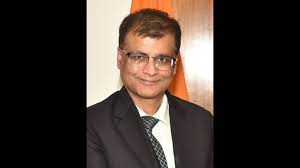
IRS Officer Rahul Navin Appointed New Director of Enforcement Directorate (ED)
Introduction to the Appointment
The recent appointment of IRS Officer Rahul Navin as the new Director of the Enforcement Directorate (ED) marks a significant change in the leadership of one of India’s premier financial investigation agencies. This decision, made by the central government, reflects the ongoing efforts to enhance the efficiency and effectiveness of the ED in tackling financial crimes and enforcing economic laws.
Background of Rahul Navin
Rahul Navin, an Indian Revenue Service (IRS) officer from the 1992 batch, has been a prominent figure in the Indian civil services. Prior to his new role as Director of ED, Navin held various significant positions within the revenue department, demonstrating his expertise in financial investigations and economic enforcement. His extensive experience and background in handling high-profile cases are expected to bring a new dimension to the ED’s operations.
Responsibilities of the Enforcement Directorate
The Enforcement Directorate plays a crucial role in investigating and enforcing laws related to economic offenses, including money laundering and foreign exchange violations. As the new Director, Rahul Navin will be responsible for overseeing the agency’s operations, implementing strategic initiatives, and ensuring effective investigation and enforcement of laws pertaining to financial crimes. His leadership is anticipated to strengthen the agency’s capabilities in these areas.
Strategic Goals and Expected Impact
Under Rahul Navin’s leadership, the Enforcement Directorate is expected to focus on enhancing its investigative techniques and streamlining operations to improve the overall efficiency of the agency. His appointment is seen as a step towards reinforcing the government’s commitment to combating economic offenses and ensuring that the financial sector operates within the framework of the law.
Why This News is Important
Significance of the Appointment
The appointment of Rahul Navin as the new Director of the Enforcement Directorate is a pivotal development in India’s efforts to combat economic crimes. The ED’s role in investigating financial irregularities, including money laundering and economic frauds, is crucial for maintaining the integrity of the financial system. Rahul Navin’s extensive experience and proven track record in handling complex financial cases are expected to bolster the ED’s capabilities in these areas.
Implications for Financial Crime Enforcement
Navin’s appointment comes at a time when there is increased scrutiny and need for rigorous enforcement of laws related to financial crimes. His leadership is anticipated to bring about strategic reforms and enhanced operational effectiveness within the ED. This could lead to more successful investigations and prosecutions of economic offenses, reinforcing the government’s stance on zero tolerance for financial crimes.
Impact on Government and Public Confidence
By appointing a seasoned professional like Rahul Navin, the government aims to enhance public confidence in the enforcement of economic laws. His appointment signals a commitment to addressing financial crimes with greater efficacy and transparency, which is vital for maintaining public trust and ensuring a fair economic environment.
Historical Context
Overview of the Enforcement Directorate
Established in 1956, the Enforcement Directorate is a central agency tasked with enforcing economic laws and investigating financial crimes. Over the years, the ED has played a critical role in various high-profile investigations and has been instrumental in addressing issues related to money laundering and foreign exchange violations. The agency’s work is crucial in maintaining the financial integrity of the nation and upholding the rule of law in economic matters.
Past Directors and Their Impact
Previous Directors of the ED have made significant contributions to the agency’s operations and success in handling economic offenses. The appointment of Rahul Navin represents a continuation of the tradition of appointing experienced professionals to lead the agency and drive its mission forward. Each Director has brought unique perspectives and strategies to the role, shaping the ED’s approach to financial crime enforcement.
Key Takeaways from the Appointment of IRS Officer Rahul Navin as New Director of Enforcement Directorate
| # | Key Takeaway |
|---|---|
| 1 | Rahul Navin, an IRS officer from the 1992 batch, is the new Director of ED. |
| 2 | The Enforcement Directorate is responsible for investigating and enforcing laws related to financial crimes. |
| 3 | Navin’s appointment is expected to enhance the ED’s operational efficiency and effectiveness. |
| 4 | The new Director will focus on strategic reforms and improving investigative techniques within the ED. |
| 5 | This appointment reflects the government’s commitment to tackling economic offenses and reinforcing financial law enforcement. |
Important FAQs for Students from this News
1. Who is Rahul Navin?
Rahul Navin is an Indian Revenue Service (IRS) officer from the 1992 batch who has been appointed as the new Director of the Enforcement Directorate (ED). He has a distinguished career in financial investigations and enforcement.
2. What is the role of the Enforcement Directorate (ED)?
The Enforcement Directorate is a central agency responsible for enforcing laws related to economic offenses, including money laundering and foreign exchange violations. It investigates financial crimes and ensures compliance with economic laws.
3. Why is Rahul Navin’s appointment significant?
Rahul Navin’s appointment is significant because of his extensive experience and track record in handling complex financial cases. His leadership is expected to enhance the effectiveness and efficiency of the ED in combating financial crimes.
4. What are the main responsibilities of the Director of the ED?
The Director of the ED oversees the agency’s operations, implements strategic initiatives, and ensures effective investigation and enforcement of laws pertaining to financial crimes. The Director is responsible for leading the agency in addressing economic offenses.
5. How does the appointment of a new ED Director affect public confidence?
The appointment of a new Director, especially someone with a strong background like Rahul Navin, is intended to boost public confidence in the enforcement of economic laws. It signals the government’s commitment to tackling financial crimes with increased efficacy and transparency.
Some Important Current Affairs Links




