










International Conference Marks 125 Years of Solar Physics Research in India
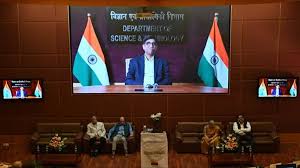
India recently celebrated a significant milestone in the field of solar physics with an international conference marking 125 years of solar physics research in the country. This momentous event was held to honor the scientific contributions that India has made to solar research and its implications on space science and technology globally.
India’s Contribution to Solar Physics
India has played a pivotal role in the global solar physics community, particularly through its research on the Sun and its influence on space weather. Over the years, the country has made valuable advancements in understanding solar activity, which impacts both the Earth’s atmosphere and technological systems. The international conference highlighted the evolution of solar physics research in India, dating back to 1898 when the first solar research observations were made.
The Significance of the Conference
This conference brought together some of the world’s foremost solar physicists, astronomers, and space researchers. By showcasing India’s advancements in the field, the event provided a platform for cross-collaboration among international scientific communities. Participants discussed the latest developments in solar research, including solar flares, coronal mass ejections, and their impacts on Earth’s climate and communications infrastructure.
Achievements in Solar Research
India’s contribution to solar research is exemplified by the establishment of prominent research facilities such as the Udaipur Solar Observatory (often referred to as the “Jewel of Rajasthan”) and the development of various space missions like the Aditya-L1. The Aditya-L1 mission, which is India’s first dedicated solar mission, is expected to provide deeper insights into the Sun’s outermost layers and its impact on the Earth’s space environment.
Why This News is Important
Global Impact of Solar Research India’s achievements in solar physics research play a vital role in improving global understanding of space weather phenomena. Solar activities like flares and coronal mass ejections have the potential to disrupt satellite communications, power grids, and other technologies reliant on space systems. Therefore, India’s work in this field contributes significantly to global efforts to predict and mitigate these impacts.
Relevance to Government Exams For students preparing for competitive exams, particularly for positions in scientific and technological domains, understanding India’s advancements in solar physics and space research is crucial. These topics are relevant not only for civil services exams (such as the IAS) but also for specialized positions in defense, research organizations, and space agencies like ISRO.
Boosting India’s Scientific Prestige The conference also marked a step forward in India’s aspirations to become a leading force in global scientific research. This accomplishment reflects the country’s growing capabilities in high-tech research and its emphasis on innovation and development in space and related scientific fields.
Why This News is Important
India’s International Conference on Solar Physics marks a significant milestone in the country’s role in solar and space research. It highlights India’s long history and current advancements in understanding solar phenomena, which is critical for both scientific exploration and practical applications.
Global Relevance of Solar Physics
Understanding solar phenomena like solar flares and coronal mass ejections is essential not only for space researchers but also for industries and sectors dependent on space technologies, such as telecommunications, meteorology, and defense. Solar activities can have far-reaching consequences on the Earth’s technological systems, affecting everything from GPS navigation to satellite communications.
India’s active involvement in solar research positions the country as an influential player in the international space community. The innovations and insights developed through India’s solar research programs have the potential to protect critical infrastructure on Earth from space weather disruptions, making this news even more relevant on a global scale.
Advancement in Indian Scientific Capabilities
The international conference also underscores India’s growing capabilities in space and solar research. It provides recognition to the scientific community in India, particularly for research institutes like the Indian Space Research Organisation (ISRO) and various universities and observatories. By hosting this conference, India affirms its position as a key contributor to global advancements in solar physics.
For students preparing for exams, it’s important to note how India’s scientific achievements are a reflection of the country’s strategic investments in research and technology, making this news highly relevant for upcoming competitive exams.
Historical Context: Background Information
Solar physics research in India dates back more than a century, with significant contributions to the global understanding of solar phenomena. In 1898, India took its first steps in solar observation when the first solar research institute was established in India. This was followed by key developments such as the creation of the Udaipur Solar Observatory in 1975, one of the best solar observing sites in Asia.
Over the decades, India has expanded its space research infrastructure and capabilities, with the Indian Space Research Organisation (ISRO) playing a pivotal role in solar research through missions like the Chandrayaan and Mangalyaan missions. The Aditya-L1 mission, launched in 2023, marked India’s first dedicated solar mission, which will investigate the Sun’s outer atmosphere and its influence on the Earth.
These historical milestones have set the foundation for India’s leadership in solar and space physics, and the 125-year celebration at the international conference exemplifies this long-standing commitment to scientific innovation.
Key Takeaways from “International Conference Marks 125 Years of Solar Physics Research in India”
| S.No | Key Takeaway |
|---|---|
| 1 | The international conference marked 125 years of solar physics research in India, recognizing the country’s contribution to solar science globally. |
| 2 | India’s solar research has significant global implications, particularly in the context of space weather events like solar flares and coronal mass ejections. |
| 3 | Notable contributions include the Udaipur Solar Observatory and India’s space missions like the Aditya-L1, aimed at deepening understanding of the Sun’s outer layers. |
| 4 | The conference was attended by prominent scientists and space researchers from around the world, fostering international collaboration in solar physics. |
| 5 | Solar research is crucial for various sectors such as defense, telecommunications, and weather prediction, making India’s contributions highly relevant for global security. |
Important FAQs for Students from this News
1. What is the significance of the 125-year celebration of solar physics research in India? The 125-year celebration marks India’s remarkable journey in solar physics research, highlighting its pivotal role in understanding solar phenomena such as solar flares and coronal mass ejections. It also showcases India’s contribution to global space weather research and technological advancements.
2. Why is solar physics research important for global security? Solar research is crucial because solar activities like flares and coronal mass ejections can disrupt communication systems, GPS, power grids, and satellites. Understanding these phenomena helps in mitigating their effects on global infrastructure and security.
3. What was the focus of the international conference held for the 125-year milestone? The international conference focused on India’s contributions to solar physics research, discussions on the latest solar research findings, and collaborative opportunities between Indian and global researchers in solar science and space weather.
4. How does India’s Aditya-L1 mission contribute to solar physics research? India’s Aditya-L1 mission is the country’s first dedicated solar mission, aimed at studying the Sun’s outermost layers, the corona, and understanding its influence on the Earth’s space environment. The mission will help scientists study solar radiation and its impact on Earth’s climate.
5. What are some of India’s key contributions to solar research over the years? India has made several significant contributions, such as the Udaipur Solar Observatory, the establishment of solar research institutes, and its participation in international space missions like Aditya-L1, Chandrayaan, and Mangalyaan.
6. Why is the Udaipur Solar Observatory important in solar research? The Udaipur Solar Observatory, often called the “Jewel of Rajasthan,” is considered one of the best solar observing sites in Asia. It has played an important role in advancing solar research by providing high-quality observations and data over the years.
7. How does solar physics relate to government exams? Solar physics and space research are important topics for competitive exams, particularly for positions in civil services, ISRO, defense, and research organizations. Understanding solar phenomena and India’s contributions helps candidates stay updated on relevant scientific developments.
Some Important Current Affairs Links