



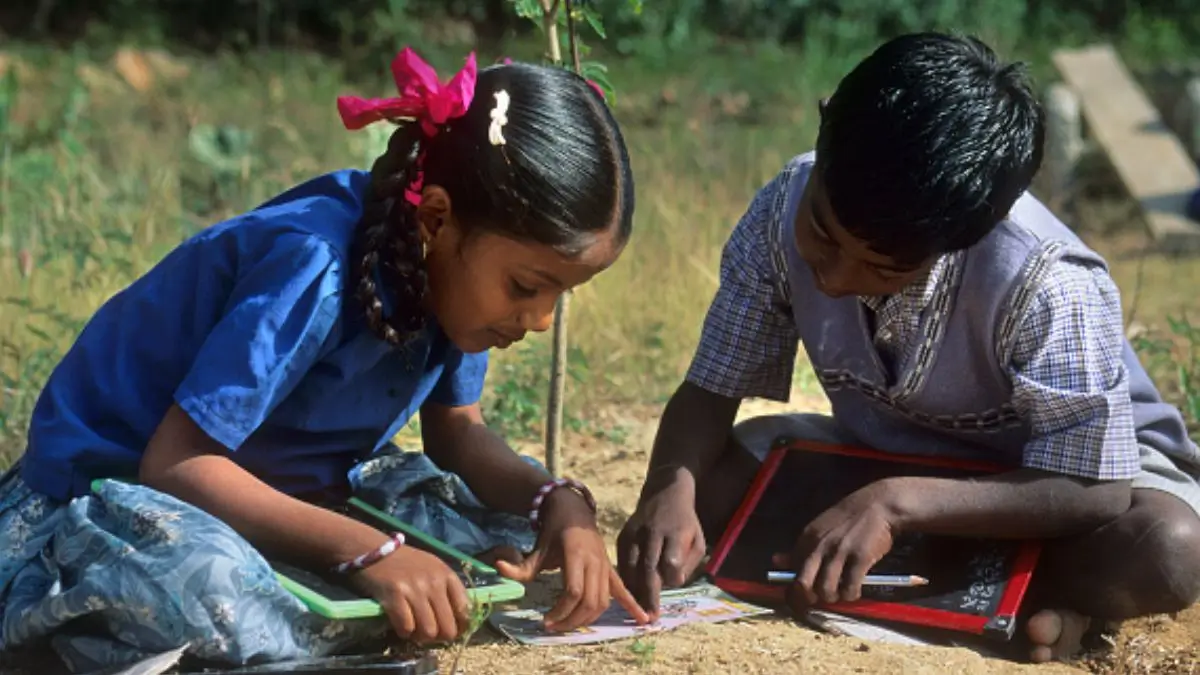
Odisha Meghalaya child development MoU boosts early childhood education and care through collaborative strategies, knowledge exchange, and capacity building for frontline workers.
Odisha-Meghalaya MoU to Boost Early Childhood Care, Education and Development
Introduction: Landmark Inter-State Collaboration
The Governments of Odisha and Meghalaya took a significant step in advancing child welfare by signing a Memorandum of Understanding (MoU) aimed at strengthening Early Childhood Care, Education and Development (ECCED). This pact reflects a commitment to collaborative action across states on improving outcomes for young children, caregivers and frontline workers.
The agreement encompasses a comprehensive approach to early childhood, integrating nutrition, health, early learning, responsive caregiving and community engagement. It emphasizes mutual learning, institutional capacity building, knowledge exchange, and the adoption of best practices in early childhood development.
Purpose of the MoU: Building a Framework for Holistic Child Development
The MoU formalizes a framework for inter-state cooperation, enabling the two states to learn from each other’s strengths and experiences. It identifies key areas like joint research, documentation of successful models, exposure visits, and capacity building of personnel working at grassroots levels.
Odisha, known for its effective community-based ECD initiatives, brings rich experience in culturally responsive child care models. Meghalaya contributes its innovative approaches to social service delivery, especially in geographically remote and tribal regions. This two-way exchange is expected to result in contextually relevant solutions tailored to local needs.
Key Areas of Collaboration
Under the MoU, collaboration spans several strategic interventions:
- Knowledge Exchange: Sharing insights on child care programs and community engagement models.
- Joint Research: Undertaking collaborative studies to enhance ECCED strategies.
- Exposure Visits: Facilitating field visits for officials, educators, and workers to observe best practices firsthand.
- Capacity Building: Strengthening the skills of functionaries at different administrative levels.
These actions will help translate policy-level understanding into practical, on-ground outcomes that benefit children and their families across both states.
Emphasis on Early Childhood: Foundation for Lifelong Well-Being
Government officials underscored that the early years of life are foundational for lifelong health, learning, and overall well-being. Responsive early childhood care significantly influences cognitive growth, socio-emotional development, and nutrition outcomes — making it a priority area in human capital development.
Integration with National Priorities
This state partnership also aligns with India’s national goals for inclusive growth, equitable early education, and improved health outcomes for children. Through this MoU, Odisha and Meghalaya echo the larger national commitment to strengthen cooperative federalism by addressing key developmental challenges collectively.

Why This News Is Important for Government Exam Aspirants
Relevance to National Development Goals
The Odisha-Meghalaya MoU on Early Childhood Care and Development (ECCED) holds high importance for aspirants preparing for government exams (SSC, UPSC, PSC, banking, railways, defence and teaching). It reflects India’s focus on human capital development, an essential area covered under current affairs for general studies.
Focus on Integrated Child Development
Understanding early childhood development is essential for questions on social welfare policies, education, health and nutrition schemes. This MoU highlights state-level efforts that align with broader frameworks like Integrated Child Development Services (ICDS) and other national missions that enhance child health and learning outcomes — topics frequently asked in competitive exams.
Cooperative Federalism and Policy Collaboration
Competitive exams often test candidates’ knowledge of federal structures and inter-governmental cooperation. This MoU exemplifies how state governments collaborate to meet shared developmental priorities, showcasing the practical application of cooperative federalism.
Practical Impact and Long-Term Vision
By focusing on early learning and care, this initiative will create a strong foundation for future generations’ health, cognitive ability and educational achievements, all of which are key aspects of India’s socio-economic progress. Such initiatives indicate the government’s emphasis on long-term developmental strategies.
Historical Context: Early Childhood Care & Development in India
Evolution of Child Welfare Policies
Early Childhood Care and Development (ECCD) became a focal point in India following the launch of Integrated Child Development Services (ICDS) in 1975. ICDS was established to improve nutrition, health, and pre-school education for children under six and pregnant/lactating mothers. Over the years, the focus expanded to include early cognitive development, responsive caregiving and community participation. (General knowledge; context)
National Strategies and Frameworks
India’s National Early Childhood Care and Education (ECCE) Policy and subsequent framework emphasized a holistic and inclusive approach to early years development. ECCD covers essential components like health, nutrition, early learning and caregiver support. Many states adapted these guidelines into their own ECCD programs, integrating local cultural practices. (General knowledge; context)
State-Led Innovations
States like Odisha have implemented community-oriented child care models that emphasize cultural responsiveness and grassroots impact. Meghalaya’s innovative service delivery in tribal and remote areas reflects how geographical challenges can shape child development initiatives. (Derived from state context in MoU)
The Odisha-Meghalaya collaboration marks a significant milestone in inter-state partnerships for early childhood development — a progressive move that echoes India’s evolving commitment to nurturing its youngest citizens.
Key Takeaways from Odisha-Meghalaya MoU on Early Childhood Care and Development
| S.No | Key Takeaway |
|---|---|
| 1 | Odisha and Meghalaya signed a Memorandum of Understanding (MoU) to strengthen Early Childhood Care, Education and Development (ECCED). |
| 2 | The MoU emphasizes inter-state collaboration involving capacity building, knowledge exchange and documentation of best practices. |
| 3 | It covers holistic areas including nutrition, health, early learning, responsive caregiving, and community engagement. |
| 4 | Odisha brings experience in community-based models, while Meghalaya contributes innovative approaches in tribal and remote regions. |
| 5 | The partnership reflects a shared commitment to national goals on inclusive development and human capital enhancement. |
FAQs: Odisha‑Meghalaya MoU on Early Childhood Care and Development
Q1: What is the purpose of the Odisha‑Meghalaya MoU?
A: The MoU aims to strengthen Early Childhood Care, Education and Development (ECCED) through inter-state collaboration, knowledge exchange, capacity building, and adoption of best practices.
Q2: Which areas will the MoU focus on?
A: The MoU will focus on early learning, responsive caregiving, nutrition, health, community engagement, joint research, exposure visits, and capacity building of personnel.
Q3: Why is early childhood development important in India?
A: Early childhood development is crucial for cognitive growth, socio-emotional development, nutrition outcomes, and lays the foundation for lifelong learning and well-being.
Q4: How does the MoU align with national priorities?
A: It aligns with India’s inclusive growth goals, human capital development, Integrated Child Development Services (ICDS), and cooperative federalism in achieving better child development outcomes.
Q5: Which states are bringing unique expertise to this collaboration?
A: Odisha contributes experience in community-based models, while Meghalaya brings innovative approaches for tribal and geographically remote areas.
Q6: How will the MoU benefit frontline workers?
A: Frontline workers will receive training, exposure visits, and capacity-building opportunities, enabling them to implement effective ECCED practices in their regions.
Q7: When was Integrated Child Development Services (ICDS) launched?
A: ICDS was launched in 1975 as India’s first national program for early childhood care and development.
Some Important Current Affairs Links