








NHAI municipal waste initiative 2027 aims to use all municipal and industrial waste in road construction, promoting sustainable infrastructure and environmental conservation.
NHAI’s Green Initiative: Utilizing Municipal Waste in Road Construction by 2027
Introduction to the Initiative
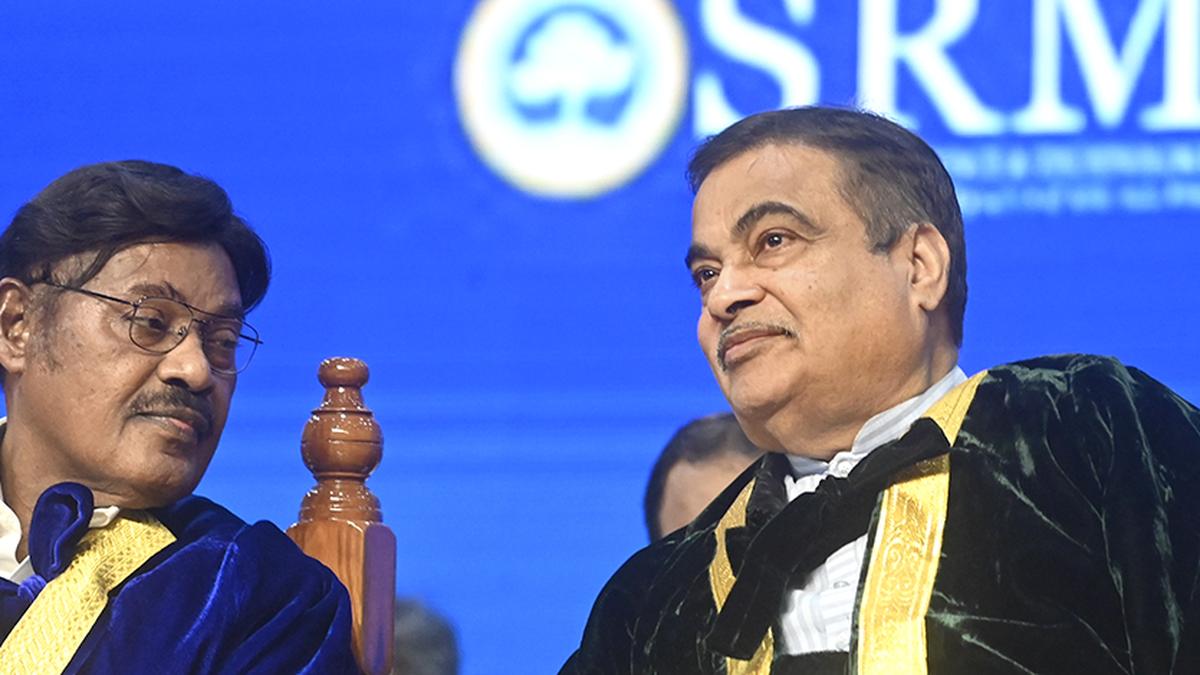
The National Highways Authority of India (NHAI) has embarked on an ambitious project to repurpose municipal solid waste for road construction. Union Minister for Road Transport and Highways, Nitin Gadkari, announced that by 2027, all municipal and industrial waste in the country will be utilized in highway development. This initiative aims to address the dual challenges of waste management and infrastructure development.
Current Progress and Key Projects
As of now, approximately 80 lakh tonnes of municipal waste have been incorporated into road construction projects. Notably, 25 lakh tonnes were used in Ahmedabad, and 40 lakh tonnes were utilized in the Mumbai-Delhi Expressway. These projects demonstrate the feasibility and effectiveness of using waste materials in road construction.
Innovative Materials and Techniques
In a groundbreaking move, NHAI has experimented with bio-bitumen derived from livestock waste. Certified by the Central Road Research Institute (CRRI), this bio-bitumen has been found to be superior to traditional petroleum-based bitumen. Additionally, research is underway to extract hydrogen from various sources, including municipal waste, to promote sustainable energy solutions.
Environmental and Economic Implications
This initiative not only contributes to environmental conservation by reducing landfill waste but also offers a cost-effective alternative to conventional road construction materials. By integrating waste into infrastructure development, the government aims to create a circular economy that benefits both the environment and the economy.
Future Outlook
Looking ahead, the NHAI plans to expand this initiative across the country, ensuring that all municipal and industrial waste is utilized in road construction by 2027. This ambitious plan aligns with India’s commitment to sustainable development and waste management.
Why This News Is Important
Significance for Government Exams
This development is crucial for students preparing for various government exams, including UPSC, PSC, and other competitive exams. Understanding the government’s initiatives in sustainable infrastructure development is essential for current affairs sections and general studies papers.
Relevance to Environmental Policies
The use of municipal waste in road construction reflects India’s growing emphasis on environmental sustainability. This aligns with global trends towards green infrastructure and waste management policies.
Implications for Infrastructure Development
The integration of waste materials into road construction signifies a shift towards innovative and cost-effective infrastructure solutions. This approach not only addresses waste management issues but also enhances the quality and durability of roads.
Historical Context
Background of NHAI’s Initiatives
The National Highways Authority of India (NHAI) has been at the forefront of implementing innovative solutions in road construction. In recent years, NHAI has explored various alternatives to traditional construction materials to promote sustainability. The current initiative to use municipal waste in road construction is a continuation of these efforts.
Previous Sustainable Practices
Prior to this, NHAI had experimented with using plastic waste in road construction, which proved to be effective in enhancing road durability. Building on this success, the current project aims to utilize a broader range of waste materials, including municipal and industrial waste, to further promote sustainable infrastructure development.
Key Takeaways from “NHAI’s Green Initiative”
| S.No | Key Takeaway |
|---|---|
| 1. | NHAI plans to utilize all municipal and industrial waste in road construction by 2027. |
| 2. | Approximately 80 lakh tonnes of municipal waste have already been used in road projects. |
| 3. | Bio-bitumen derived from livestock waste has been certified as superior to petroleum-based bitumen. |
| 4. | Research is underway to extract hydrogen from municipal waste for sustainable energy solutions. |
| 5. | The initiative aims to promote a circular economy by integrating waste management into infrastructure development. |
FAQs: Frequently Asked Questions
1. What is the main objective of NHAI’s municipal waste initiative?
The main objective is to utilize all municipal and industrial waste in road construction by 2027, promoting sustainable infrastructure development and reducing landfill waste.
2. How much municipal waste has NHAI already used in road construction?
Approximately 80 lakh tonnes of municipal waste have been used in various road projects across India.
3. What is bio-bitumen and why is it important?
Bio-bitumen is a road construction material derived from livestock waste. It has been certified superior to petroleum-based bitumen by the Central Road Research Institute (CRRI).
4. Which major expressways have implemented the municipal waste road technology?
Notably, the Mumbai-Delhi Expressway and roads in Ahmedabad have incorporated municipal waste in their construction.
5. How does this initiative contribute to environmental sustainability?
It reduces the dependency on traditional construction materials, decreases landfill accumulation, and promotes a circular economy by recycling municipal and industrial waste.
6. What is the future plan of NHAI regarding waste in road construction?
By 2027, NHAI aims to utilize all municipal and industrial waste nationwide for road development projects.
7. How does this project benefit students preparing for government exams?
It is significant for current affairs sections, general studies, and topics related to environmental policies, infrastructure, and sustainable development.
Some Important Current Affairs Links