








New COVID variant BA.3.2 symptoms, risks and global spread explained. Learn key facts, mutations, and exam-relevant insights for UPSC, SSC, Banking and other competitive exams.
New COVID Variant BA.3.2: Symptoms, Risks and Key Facts for Competitive Exams 2026
🔷 Introduction to BA.3.2 “Cicada” Variant
The new COVID-19 variant BA.3.2, popularly known as the “Cicada variant,” has recently attracted global attention due to its unusual re-emergence and mutation pattern. This variant belongs to the Omicron lineage of the SARS-CoV-2 virus and was first detected in South Africa in November 2024. After remaining relatively inactive for months, it resurfaced in late 2025 and has now been reported in over 23 countries.
🔷 Unique Features and Mutations
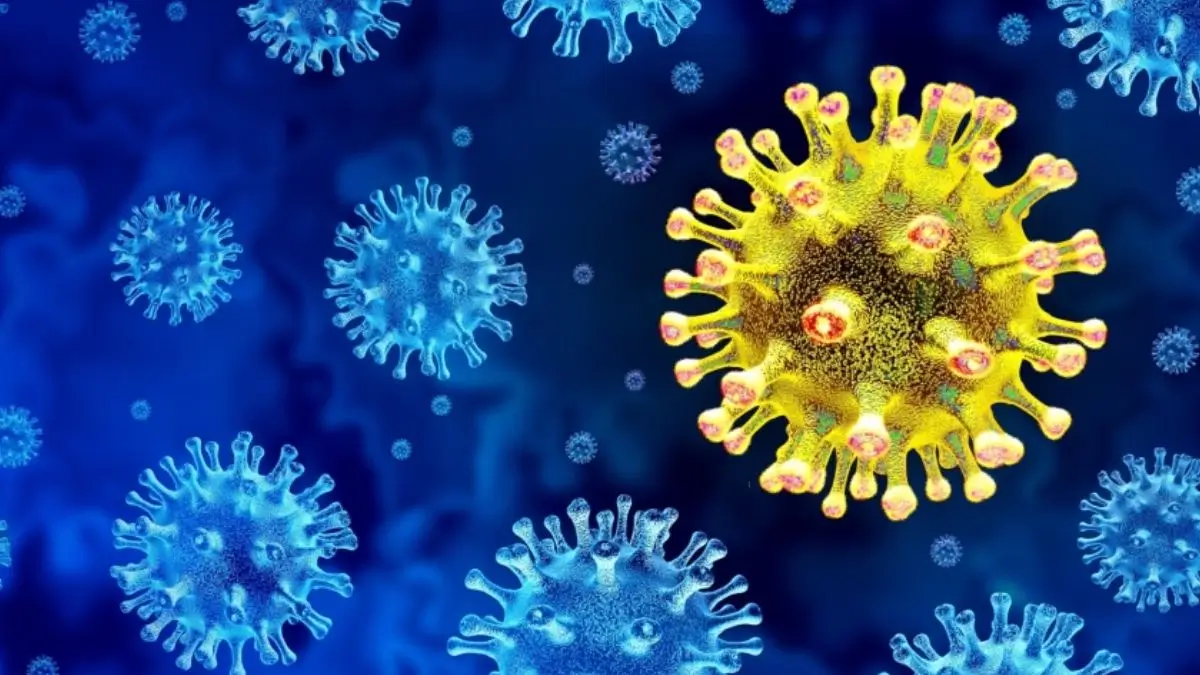
One of the most significant aspects of BA.3.2 is its high number of mutations, especially in the spike protein. Scientists have identified nearly 70–75 mutations, which may increase transmissibility and help the virus partially evade immunity developed through vaccines or previous infections.
🔷 Symptoms of BA.3.2 Variant
The symptoms of the BA.3.2 variant are largely similar to previous COVID-19 strains. However, a severe sore throat has been highlighted as a distinctive symptom. Other common symptoms include:
- Fever and chills
- Dry cough
- Fatigue
- Nasal congestion or runny nose
- Headache and muscle pain
- Mild breathing difficulty in some cases
🔷 Spread and Global Presence
The BA.3.2 variant has been detected across multiple continents, including Europe, North America, Asia, and Africa. Surveillance data shows that it has been identified in travelers, clinical samples, and wastewater testing, indicating widespread but controlled circulation.
🔷 Severity and Risk Level
As of now, global health authorities have classified BA.3.2 as a “Variant Under Monitoring” rather than a “Variant of Concern.” Most reported cases are mild to moderate in severity. However, experts warn that it may spread more easily and cause reinfections, especially among vulnerable populations like the elderly and immunocompromised individuals.
🔷 Prevention and Safety Measures
Standard COVID-19 precautions remain effective against the BA.3.2 variant. These include:
- Wearing masks in crowded areas
- Maintaining hand hygiene
- Staying updated with vaccinations
- Isolating if symptoms appear
Vaccines are still considered effective in preventing severe illness, hospitalization, and death.

📌 Why This News is Important
🔷 Relevance for Competitive Exams
The emergence of the BA.3.2 variant is highly relevant for aspirants preparing for government exams such as UPSC, SSC, Banking, Railways, Defence, and State PCS. Questions related to health emergencies, virus mutations, and global surveillance systems are frequently asked in current affairs sections. Understanding the classification of variants (Variant of Concern vs Variant Under Monitoring) is crucial for exam preparation.
🔷 Public Health Awareness and Policy
This news highlights the importance of continuous global health monitoring and genomic surveillance. Even though the COVID-19 pandemic has reduced in intensity, the virus continues to evolve. Governments and health organizations must remain vigilant to prevent future outbreaks.
🔷 Scientific and Technological Significance
The BA.3.2 variant demonstrates how viruses mutate over time and adapt to immune defenses. This is important for students studying biology, public health, and science-related topics in exams.
🔷 Risk Perception and Preparedness
The news also educates the public that not all variants are equally dangerous. While BA.3.2 is not currently severe, its mutation profile requires monitoring. This balanced understanding helps avoid panic while ensuring preparedness.
📜 Historical Context of COVID-19 Variants
🔷 Evolution of SARS-CoV-2 Variants
Since the outbreak of COVID-19 in 2019, the SARS-CoV-2 virus has continuously evolved. Major variants like Alpha, Delta, and Omicron have caused global waves of infection. Each variant emerged with specific mutations that influenced transmissibility and severity.
🔷 Emergence of Omicron Lineage
The Omicron variant, first identified in 2021, became dominant worldwide due to its high transmissibility. Over time, multiple subvariants emerged from Omicron, including BA.1, BA.2, and newer lineages like BA.3.2.
🔷 Role of Genomic Surveillance
Organizations like the CDC and WHO have developed advanced genomic surveillance systems to track mutations. Techniques like wastewater monitoring and traveler-based testing have played a crucial role in early detection of variants like BA.3.2.
🔷 Lessons from Past Waves
Previous COVID-19 waves highlighted the importance of vaccination, public awareness, and timely government response. These lessons continue to guide current strategies against emerging variants.
📊 Key Takeaways from This News
| S.No. | Key Takeaway |
|---|---|
| 1 | BA.3.2, also known as the “Cicada variant,” is a new Omicron subvariant detected globally. |
| 2 | It has around 70–75 mutations, raising concerns about transmissibility and immune escape. |
| 3 | Common symptoms include severe sore throat, fever, cough, fatigue, and nasal congestion. |
| 4 | The variant is currently classified as a “Variant Under Monitoring” with mostly mild cases. |
| 5 | Vaccination and standard precautions remain effective in preventing severe illness. |
FAQs for Competitive Exams
🔷 What is the BA.3.2 COVID variant?
BA.3.2, also known as the “Cicada variant,” is a subvariant of the Omicron lineage of the COVID-19 virus. It has recently re-emerged globally and is being monitored due to its high mutation rate.
🔷 Why is BA.3.2 called the “Cicada variant”?
The nickname “Cicada” comes from its reappearance after a period of dormancy, similar to cicada insects that emerge after years underground.
🔷 What are the key symptoms of BA.3.2?
The symptoms include severe sore throat, fever, dry cough, fatigue, nasal congestion, and headache. Most cases are mild to moderate.
🔷 Is BA.3.2 more dangerous than previous variants?
Currently, it is not considered more dangerous. It is classified as a “Variant Under Monitoring,” meaning it is being observed but not yet a major threat.
🔷 How many mutations does BA.3.2 have?
It has around 70–75 mutations, particularly in the spike protein, which may impact transmissibility and immune escape.
🔷 Is vaccination effective against BA.3.2?
Yes, existing vaccines are still effective in preventing severe illness, hospitalization, and death.
🔷 Which organization monitors COVID-19 variants globally?
Organizations like the World Health Organization (WHO) and CDC monitor and classify variants based on risk levels.
🔷 What is the difference between Variant of Concern and Variant Under Monitoring?
A Variant of Concern has proven higher risk (transmission/severity), while a Variant Under Monitoring is still being studied for its impact.
Some Important Current Affairs Links