




NCERT Bal Vatika TV channel and DIKSHA 2.0 with AI tools launched on its 65th Foundation Day. New initiatives include PRASHAST 2.0, VR labs, inclusive textbooks, and NEP 2020 digital reforms.
NCERT Unveils Bal Vatika TV & DIKSHA 2.0 on Its 65th Foundation Day
Strengthening Foundations: NCERT Marks 65 Years with Digital Launches
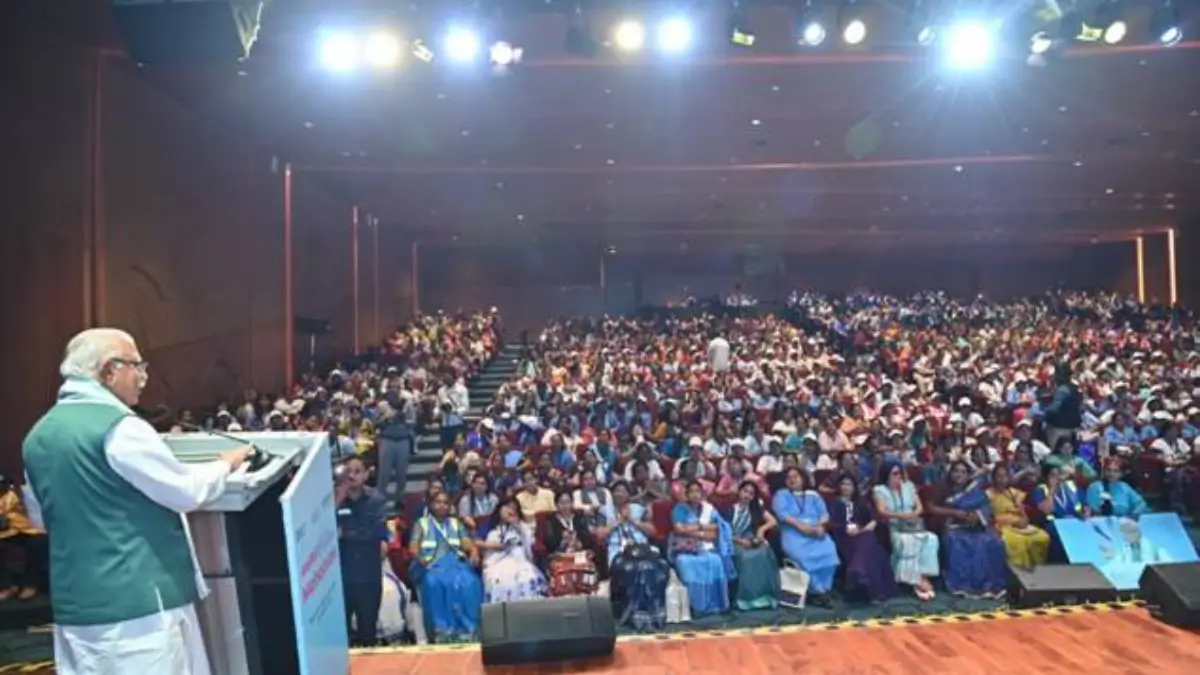
On 1 September 2025, the National Council of Educational Research and Training (NCERT) celebrated its 65th Foundation Day at its New Delhi headquarters with a surge of new initiatives aimed at revolutionizing early childhood and inclusive education . The occasion was graced by Union Education Minister Dharmendra Pradhan, along with senior dignitaries like Sanjay Kumar (Secretary, DoSE&L), former ISRO Chair S. P. Somanath, and Bharatiya Bhasha Samiti Chair Chamu Krishna Shastry
Launch of Bal Vatika TV: Early Learning Through DTH Broadcast
A centerpiece of the event was the launch of Bal Vatika, a DTH television channel (PM eVidya Channel No. 35) tailored for children aged 3 to 6 years, including Anganwadi workers, parents, and teachers . The channel delivers captivating audio-visual content aimed at fostering foundational literacy and numeracy skills, aligning with the objectives of NEP 2020
DIKSHA 2.0: AI-Powered Learning Reinvented
Another major highlight was the unveiling of DIKSHA 2.0, an upgraded version of the national digital learning platform. This enhanced version includes structured lessons, adaptive assessments, performance feedback, and advanced AI tools like Read Aloud, Closed Captioning, and multilingual translation into 12 Indian languages .
Inclusive and Regional Education Tools
NCERT didn’t stop there. Additional initiatives aimed at inclusive education included:
- PRASHAST 2.0, a pre-assessment screening tool for early identification of children with disabilities—now integrated with platforms like UDISE+, APAAR, and Swavlamban Card
- Kitab Ek Padhe Anek, an initiative to create accessible textbooks for inclusive classrooms following the Universal Design of Learning
- Primers published in multiple regional languages such as Hindi, Sanskrit, Ho-Hindi, and Koya to celebrate linguistic diversity
Digital Infrastructure & Experiential Learning
The efforts extended to immersive learning and infrastructure:
- PM eVidya mobile app, offering a centralized portal for digital learning materials
- Virtual Reality (VR) labs inaugurated at four demonstration schools located in Ajmer, Bhopal, Bhubaneswar, and Mysuru
- A heritage-focused publication, Utkal Jananinkara Sujogya Santana, featuring 100 eminent personalities from Odisha who shaped regional development and India’s freedom movement
- A vocational education handbook released by PSSCIVE to support skill-based learning under NEP 2020
NCERT’s Leadership & Policy Alignment
Celebrating five years of NEP 2020, NCERT reaffirmed its role as a driving force behind Indian education reform. The institution developed and disseminated the National Curriculum Framework for School Education (NCF-SE 2023) and the Foundational Stage Framework (NCF-FS 2022), reinforcing its commitment to systemic transformation

B) Why This News Is Important
Transformative Impact on Early Education
The launch of Bal Vatika TV marks a pivotal shift in early childhood education. By delivering foundational literacy and numeracy via DTH, NCERT ensures equitable access to quality education across remote and underserved regions. This aligns directly with NEP 2020’s focus on Foundational Learning.
Scaling Inclusive and Regional Learning
DIKSHA 2.0’s launch brings AI-powered capabilities, personalized assessments, and multilingual support to the forefront of digital education. With inclusion tools like PRASHAST 2.0 and inclusive textbooks, NCERT extends its reach to learners with disabilities, reinforcing the critical educational principle of equity for all.
Blending Digital, Cultural, and Experiential Learning
The blend of VR labs, mobile learning (PM eVidya app), and language-specific primers demonstrates a holistic approach to learning. These tools cater to cognitive, experiential, and cultural dimensions—preparing students for real-world problem solving and preserving linguistic heritage.
Reaffirming NCERT’s Role in National Education Goals
As a central implementation agency of NEP 2020, NCERT’s initiatives reaffirm its strategic significance in curriculum development, technological advancement, and inclusive policy enactment. This underscores the institution’s leadership in shaping the futures of competitive exam aspirants across domains.
C) Historical Context
NCERT’s Foundational Journey
Established in 1961, NCERT has been at the crux of standardizing and innovating school education across India. Its key mandates include curriculum development, pedagogical research, and textbook formulation.
Evolution of Digital Education in India
The DIKSHA platform, launched in 2017, emerged as India’s flagship digital education portal—later integrated into PM eVidya during the COVID-19 pandemic as a one-nation learning initiative Wikipedia. The 2025 launch of DIKSHA 2.0 builds on its legacy by incorporating AI and accessibility tools.
NEP 2020: A Turning Point
Introduced in 2020, NEP transformed India’s approach to education by emphasizing early learning, multilingualism, equity, and technology infusion. NCERT’s launch of inclusive and digital tools in 2025 reflects the policy’s vision actualized across the educational ecosystem.
D) Key Takeaways from “NCERT’s 65th Foundation Day”
| S. No. | Key Takeaway |
|---|---|
| 1 | Bal Vatika, DTH Channel No. 35, launched to improve foundational literacy and numeracy among children aged 3–6. |
| 2 | DIKSHA 2.0 unveiled with structured lessons, adaptive assessments, AI support, and 12-language translations. |
| 3 | Inclusive tools like PRASHAST 2.0 and Kitab Ek Padhe Anek launched for early disability screening and accessible textbooks. |
| 4 | Additional tools include PM eVidya app, VR labs in four cities, and primers in multiple regional languages to enhance immersive and regional learning. |
| 5 | NCERT, under NEP 2020, continues to lead education reform by developing critical frameworks (NCF-SE 2023, NCF-FS 2022) and enabling inclusive, digital, and foundational learning. |
FAQs Related to NCERT’s 65th Foundation Day Launch
Q1. What is Bal Vatika TV and who will benefit from it?
Bal Vatika TV is a DTH channel (PM eVidya Channel No. 35) launched by NCERT for children aged 3–6 years, Anganwadi workers, parents, and teachers. It focuses on foundational literacy and numeracy.
Q2. On which occasion were Bal Vatika TV and DIKSHA 2.0 launched?
They were launched on NCERT’s 65th Foundation Day celebrations in September 2025.
Q3. What is DIKSHA 2.0 and how is it different from the earlier version?
DIKSHA 2.0 is an upgraded digital learning platform with AI features, structured lessons, adaptive assessments, and multilingual translations in 12 Indian languages, unlike the earlier version which had limited interactivity.
Q4. What is PRASHAST 2.0 and why is it significant?
PRASHAST 2.0 is a pre-assessment screening tool to identify children with disabilities at an early stage. It integrates with UDISE+, APAAR, and Swavlamban Card to provide better inclusivity.
Q5. Which new technology-based facilities did NCERT introduce during its 65th Foundation Day?
NCERT introduced Virtual Reality (VR) labs in demonstration schools, the PM eVidya app, and AI-based accessibility tools in DIKSHA 2.0.
Q6. Which regional languages have primers been launched in by NCERT?
NCERT published primers in Hindi, Sanskrit, Ho-Hindi, and Koya as part of its regional and multilingual education initiatives.
Q7. Who inaugurated the NCERT’s 65th Foundation Day event?
The event was inaugurated by Union Education Minister Dharmendra Pradhan, along with senior dignitaries like Sanjay Kumar, S. P. Somanath, and Chamu Krishna Shastry.
Q8. How does Bal Vatika TV support the goals of NEP 2020?
It promotes Foundational Literacy and Numeracy (FLN), a key objective of NEP 2020, by offering engaging educational content to early learners.
Q9. What is the significance of Kitab Ek Padhe Anek?
It is an NCERT initiative to create accessible textbooks following the Universal Design of Learning for inclusive classrooms.
Q10. What frameworks has NCERT developed in line with NEP 2020?
NCERT has developed the National Curriculum Framework for School Education (NCF-SE 2023) and the Foundational Stage Framework (NCF-FS 2022).
Some Important Current Affairs Links