







National Sports Governance Bill 2025 and National Anti-Doping Amendment Bill 2025 passed by Parliament, introducing historic sports reforms, athlete welfare measures, and WADA compliance to boost India’s 2036 Olympic dream.
India Passes Landmark Sports Governance & Anti-Doping Bills Transforming Sports Administration
A New Era in Sports Legislation
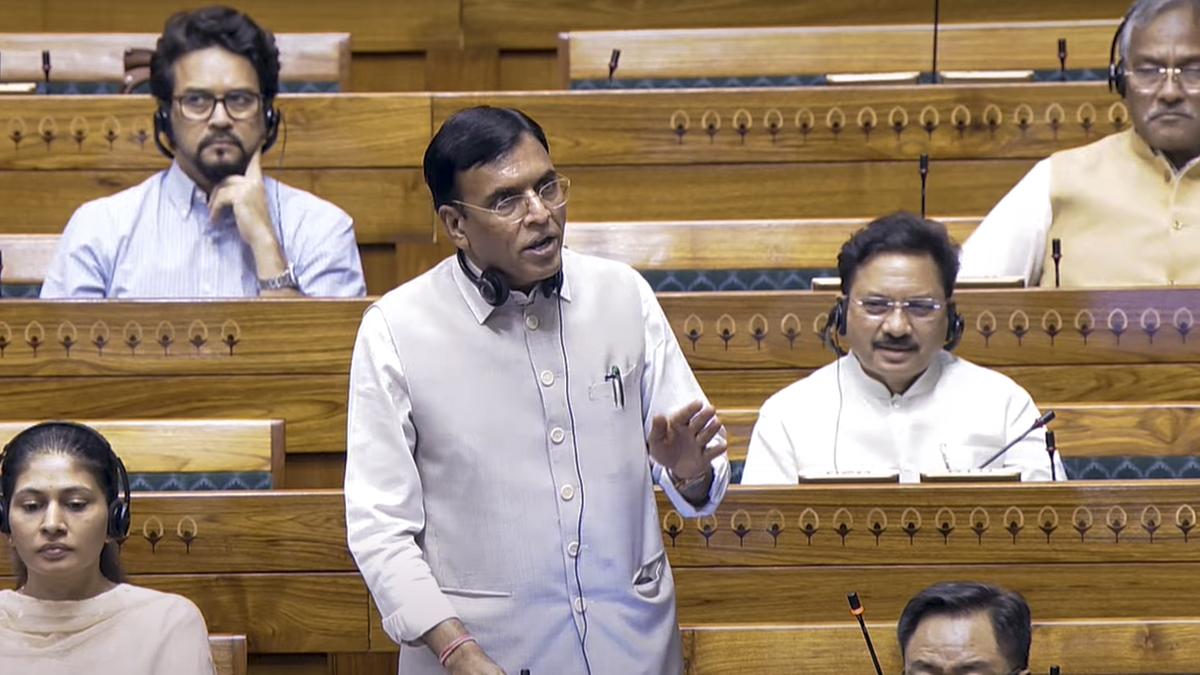
On August 12, 2025, the Indian Parliament ushered in transformative reforms by passing two pivotal legislations: the National Sports Governance Bill, 2025 and the National Anti-Doping (Amendment) Bill, 2025. These laws, already approved by the Lok Sabha, were ratified by the Rajya Sabha, marking a breakthrough in India’s sports administration landscape.
Key Provisions of the Sports Governance Bill
The National Sports Governance Bill, 2025 introduces a statutory framework to regulate national sports organizations in India. Key features include:
- Establishment of entities such as the National Olympic Committee, Paralympic Committee, and Regional Sports Federations, each affiliated with respective international bodies.
- A cap of 15 members on Executive Committees, with specified representation requirements: at least two sportspersons, four women, and athlete inclusion.
- Creation of the National Sports Board (NSB) to grant recognition, maintain registries, issue guidelines (including Safe Sports Policies), and oversee governance.
- Mandatory ethics guidelines, grievance mechanisms, and compliance with the Right to Information Act for recognized bodies.
- Formation of a National Sports Tribunal, chaired by a sitting or former Supreme Court judge, to adjudicate disputes swiftly—with appeals restricted to the Supreme Court.
Strengthening Anti-Doping Framework
The National Anti-Doping (Amendment) Bill, 2025 aligns India’s anti-doping laws with global standards:
- It strengthens NADA’s autonomy, reducing interference from the National Anti-Doping Board and centralizing appeal authority with the Central Government.
- Introduces WADA-accredited labs for testing and adopts WADA definitions into Indian law, reinforcing global alignment.
- Limits appeals to the Court of Arbitration for Sport (CAS) for select cases, streamlining dispute resolution.
Strong Endorsement from Sports Icons
Legendary athlete and IOA President P.T. Usha hailed the Sports Governance Bill as a long-overdue overhaul that promises to end decades of stagnation and promote transparency and accountability in sports administration.
A Collective Step Toward India’s Olympic Dream
Both bills support India’s aspirations for the 2036 Olympic bid. By establishing clearer governance, athlete-centric justice systems, and clean-sport frameworks, the legislation positions India on the path to becoming a serious global sporting contender.
Why This News Is Important
Strengthening Institutional Frameworks in Sports
These landmark legislations introduce the first comprehensive legal framework for sports administration in India. They establish formal structures—such as the National Sports Board, Sports Tribunal, and unified Federation recognition—that ensure accountability and ethical governance.
Promoting Athlete Welfare and Fair Play
By mandating Safe Sports Policies, ethics committees, and grievance mechanisms, the reforms emphasize athlete protection, gender inclusivity, and faster dispute resolution. This ensures that athletes, including women and minorities, can participate with dignity and security
Enhancing Global Compliance and Reputation
Alignment with WADA and UNESCO standards, along with the use of accredited labs and legal alignment with the World Anti-Doping Code, significantly elevates India’s credibility in international sports arenas.
Supporting India’s Olympic Ambition
With better governance, streamlined legal processes, and cleaner sports systems, India is better poised to host major international events—especially its flagship ambition, the 2036 Summer Olympics.
Historical Context: Setting the Stage for Reform
India’s sports management has long relied on ad-hoc codes, fragmented regulations, and court interventions due to mismanagement and legal disputes.
The National Sports Code of 2011 offered guidelines but lacked statutory power. Over 350 pending legal cases involving sports federations highlighted systemic dysfunction.
Introduced in July 2025, the National Sports Governance Bill aimed to replace ad-hoc governance with a legally backed framework aligned with international standards
Meanwhile, the National Anti-Doping Act of 2022 provided a foundation, but reforms were needed to meet WADA’s evolving benchmarks and ensure fair implementation.
Key Takeaways from This News
| S. No. | Key Takeaway |
|---|---|
| 1 | Statutory governance: India now has a legal structure for sports administration, replacing prior ad-hoc systems. |
| 2 | Athlete protection: Bills mandate Safe Sports Policy, ethics bodies, and grievance mechanisms. |
| 3 | Autonomous anti-doping framework: NADA gains independence; testing now WADA-aligned, with streamlined appeals. |
| 4 | Expedited dispute resolution: National Sports Tribunal ensures faster adjudication under a Supreme Court judge. |
| 5 | Global preparedness: Reforms pave the way for India’s hosting ambitions, particularly for the 2036 Olympics. |
Frequently Asked Questions (FAQs)
Q1. What is the National Sports Governance Bill, 2025?
It is a new law that provides a statutory framework for regulating and recognizing sports bodies in India, establishing a National Sports Board, and introducing governance and ethics norms for sports organizations.
Q2. What changes does the National Anti-Doping (Amendment) Bill, 2025 bring?
The amendment strengthens NADA’s autonomy, aligns Indian laws with WADA standards, introduces accredited labs for testing, and streamlines the appeals process.
Q3. How does the Sports Governance Bill affect athletes?
It mandates Safe Sports Policies, ensures gender representation, establishes grievance mechanisms, and includes sportspersons in executive committees.
Q4. Who will chair the National Sports Tribunal?
A sitting or former Supreme Court judge will chair the tribunal, ensuring impartial and expert resolution of sports disputes.
Q5. Why are these bills important for India’s Olympic ambitions?
They bring governance reforms, strengthen anti-doping measures, and enhance India’s international credibility—key factors for hosting events like the 2036 Olympics.
Q6. How many members are allowed in the Executive Committee under the new law?
A maximum of 15 members, with at least two sportspersons and four women.
Q7. What is the role of the National Sports Board (NSB)?
The NSB grants recognition to sports bodies, maintains registries, sets guidelines, and monitors compliance.
Q8. Can decisions of the National Sports Tribunal be appealed?
Appeals are allowed only to the Supreme Court, reducing delays.
Q9. What international standards are referenced in the Anti-Doping Amendment?
It incorporates WADA and UNESCO guidelines, including definitions and processes from the World Anti-Doping Code.
Q10. When were these bills passed by Parliament?
Both bills were passed on August 12, 2025 by the Rajya Sabha, after earlier approval in the Lok Sabha.
Some Important Current Affairs Links