








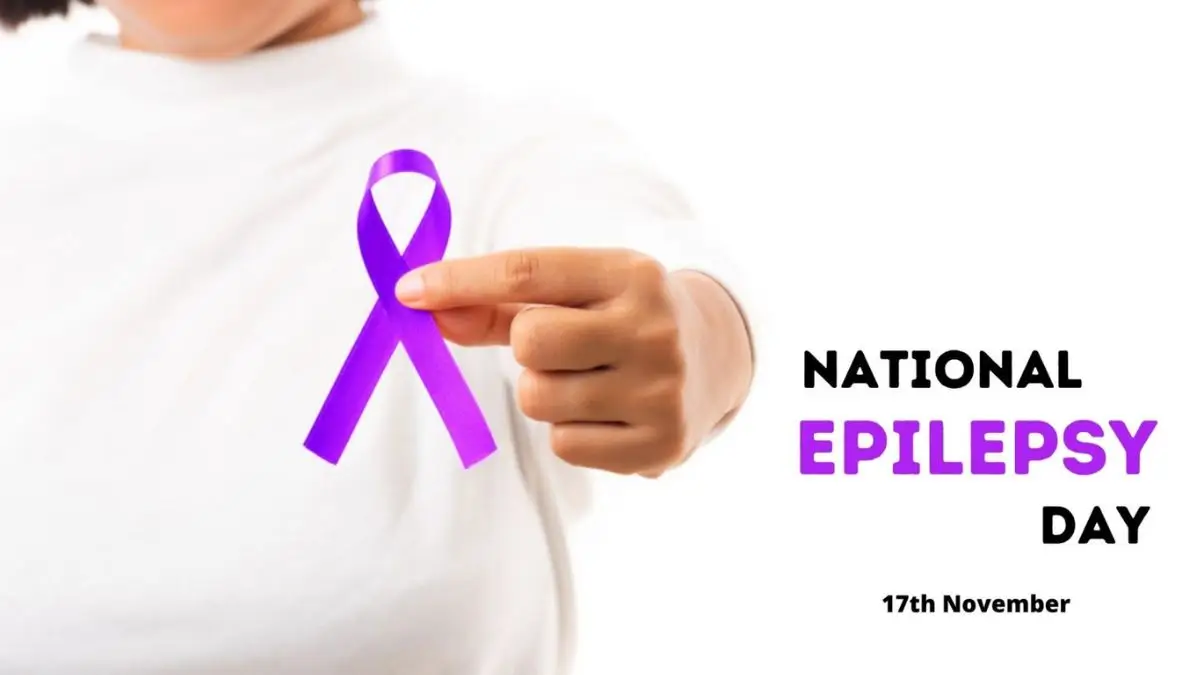
National Epilepsy Day awareness focuses on epilepsy symptoms, diagnosis and treatment, offering essential information for exam preparation and public health understanding.
National Epilepsy Day 2025: Understanding Seizures, Symptoms & Treatment Options
Overview of the Observance
On 17 November 2025, India will observe National Epilepsy Day to raise awareness about epilepsy — a neurological disorder that affects millions yet is often misunderstood. The day emphasises the importance of recognising recurrent seizures as a treatable condition, facilitating early diagnosis and promoting social acceptance of people living with epilepsy.
What is Epilepsy and Why the Day Matters
Epilepsy is characterized by recurrent, unprovoked seizures — sudden surges of electrical activity in the brain that disrupt normal function. Although it remains one of the most common neurological conditions globally, a large proportion of cases go undiagnosed or untreated due to stigma, lack of awareness and limited access to specialist care. National Epilepsy Day serves as a reminder that epilepsy is not a curse or supernatural affliction, but a medical condition that can be managed with appropriate intervention.
Key Goals of the Day
This year’s observance focuses on several primary objectives:
- Encouraging early and accurate diagnosis of epilepsy so that seizures can be controlled before complications arise.
- Promoting effective treatment adherence, including medication and lifestyle adjustments, minimising seizure risk and improving quality of life.
- Combating social stigma and discrimination in educational, workplace, and community settings — making sure people with epilepsy have support and equal opportunity.
- Strengthening health-care systems and access, especially in India, where around 10 million people live with epilepsy.
Diagnostic and Treatment Framework
Diagnosing epilepsy involves a multi-step process including:
- an EEG (electroencephalogram) to measure brain electrical activity,
- MRI or CT scans to look for structural brain causes (such as tumours or scar tissue),
- Blood tests to find metabolic or genetic triggers,
- Video-EEG monitoring when needed, to capture seizure events and classify them accurately.
Treatment commonly involves anti-epileptic drugs, sleep regulation, stress management, avoidance of triggers (such as flashing lights, alcohol or sleep deprivation), and safety precautions (helmet use, avoiding lone driving/swimming) for people who have seizures.
Living With Epilepsy: Practical Advice
Living positively with epilepsy is very possible with the right support system and awareness:
- Take medications regularly and never discontinue without medical advice.
- Prioritise good sleep hygiene, since sleep deprivation can trigger seizures.
- Manage stress through light exercise, yoga or relaxation techniques — stress is a common seizure trigger.
- Educate friends, family and colleagues about what to do during a seizure: for example turning the person on their side, protecting them from harm, not restraining or giving food/medicine during the event.
- Promote societal acceptance: awareness campaigns on National Epilepsy Day help foster inclusive environments so people with epilepsy can lead full, independent lives

Why This News Is Important
Relevance for Government-Exam Aspirants
For students preparing for teacher, banking, police, railway, defence or civil-services roles, awareness of days like National Epilepsy Day 2025 is important — especially under the “General Studies → Health & Well-being” and “Science & Technology” sections. This news underscores the government’s public-health outreach efforts and the need for inclusive policies. Understanding these initiatives can help in essay writing, interview responses and objective-type questions.
Implications for Public Policy and Social Inclusion
Epilepsy, given its prevalence (roughly 50-million worldwide, approx. 10 million in India), poses significant public-health and social-inclusion challenges. By highlighting early diagnosis, treatment access and stigma reduction, the observance reflects how health policy is evolving beyond purely curative care towards holistic support and community integration. Candidates in roles such as policing, teaching or administration may encounter persons with epilepsy; awareness helps create more sensitive, responsive services and environments.
Linkages to Health Infrastructure and Societal Awareness
The emphasis on diagnostics (EEG, MRI, etc.), medication adherence and lifestyle management reflects broader trends in Indian health-care infrastructure strengthening. For aspirants in administrative services (for example IAS/PCS), knowledge of such health-campaigns shows their ability to relate policy design to community outcomes. If one of your exam questions asks about “non-communicable neurological disorders and government awareness efforts”, this material is directly relevant.
Historical Context
Origins of National Epilepsy Day
The observance of National Epilepsy Day in India was initiated by the Epilepsy Foundation of India under the leadership of Dr Nirmal Surya, with a mission to reduce stigma and improve the quality of life for people with epilepsy.
Epidemic and Treatment Landscape over the Years
Historically, epilepsy in India has been afflicted by social myths and misconceptions (for example, epilepsy being regarded as possession or divine punishment), which led many to avoid seeking medical help. Over the past few decades, advances in neurology, increased availability of diagnostic tools (EEG, MRI) and affordable anti-epileptic drugs have greatly improved management potential. Today, it is estimated that about 70 % of epilepsy cases can be effectively controlled with treatment — yet many remain untreated due to access or stigma.
Evolution of Awareness Efforts
Awareness campaigns in schools, workplaces and public health centres have evolved to include seizure first-aid training, community screenings, and advocacy for rights of persons with disabilities (including epilepsy). The growth of National Epilepsy Day has helped integrate epilepsy into the broader discourse of health-inclusion, disability rights and workplace accommodation. This evolution reflects India’s increasing focus on “health for all” and inclusive growth under initiatives such as Ayushman Bharat.
Key Takeaways from National Epilepsy Day 2025
| S.No | Key Takeaway |
|---|---|
| 1 | National Epilepsy Day in India is observed on 17 November each year to raise awareness about epilepsy and to emphasise that seizures are treatable medical conditions. |
| 2 | India has roughly 10 million people living with epilepsy, and globally the number is around 50 million. Despite this, many cases go undiagnosed or untreated due to stigma and lack of access. |
| 3 | Diagnosis involves EEG, MRI/CT scans, blood tests and sometimes video-EEG monitoring to identify seizure types and triggers. |
| 4 | Treatment is multi-faceted: regular medication, good sleep hygiene, stress management, avoidance of triggers, safety precautions and social support. |
| 5 | Social awareness and inclusive environments are essential: turning the narrative from “curse” to “medical condition”, promoting support in schools/workplaces and reducing discrimination. |
Frequently Asked Questions (FAQs)
1. When is National Epilepsy Day observed in India?
National Epilepsy Day is observed every year on 17 November to raise awareness about epilepsy and promote early diagnosis and treatment.
2. What is the main objective of National Epilepsy Day?
The main objective is to spread awareness, reduce stigma, encourage early diagnosis, and promote better treatment and support for people living with epilepsy.
3. What causes epilepsy?
Epilepsy is caused by abnormal electrical activity in the brain. It may occur due to genetics, infections, brain injury, tumors, stroke, or metabolic disorders.
4. What is a seizure?
A seizure is a sudden surge of electrical impulses in the brain that temporarily affects behavior, awareness, or muscle control.
5. Can epilepsy be cured?
While epilepsy cannot always be cured, it can be effectively managed in most cases with medication, surgery, lifestyle modifications, or medical devices.
6. What tests are used to diagnose epilepsy?
Common diagnostic tools include EEG, MRI, CT scans, blood tests, and video-EEG monitoring.
7. How common is epilepsy in India?
Around 10 million people in India live with epilepsy, making it one of the most common neurological disorders in the country.
8. What are common seizure triggers?
Triggers include lack of sleep, alcohol, stress, flashing lights, missed medication, and illness.
9. Is epilepsy considered a disability in India?
Yes, under the Rights of Persons with Disabilities Act (RPWD Act), 2016, epilepsy is recognized as a disability, giving patients access to benefits and protections.
10. What should you do during a seizure?
Stay calm, turn the person on their side, protect them from injury, loosen clothing, and never put anything in their mouth.
11. Can a person with epilepsy live a normal life?
Yes. With proper treatment, lifestyle care, and support, most people with epilepsy can lead full and independent lives.
12. Why is stigma a major issue in epilepsy?
Lack of awareness, myths, and social misconceptions contribute to stigma, causing patients to avoid treatment or face discrimination.
13. How does epilepsy impact public health?
Epilepsy affects productivity, education, and employment, requiring strong public-health initiatives and awareness programs.
14. Can epilepsy affect employment eligibility for government jobs?
It depends on the job profile. Some roles with high physical risk may have restrictions, but many other government jobs allow candidates with controlled epilepsy.
15. What initiatives support epilepsy awareness in India?
National Epilepsy Day, awareness drives by the Epilepsy Foundation of India, health camps, school campaigns, and government disability support schemes.
Some Important Current Affairs Links