








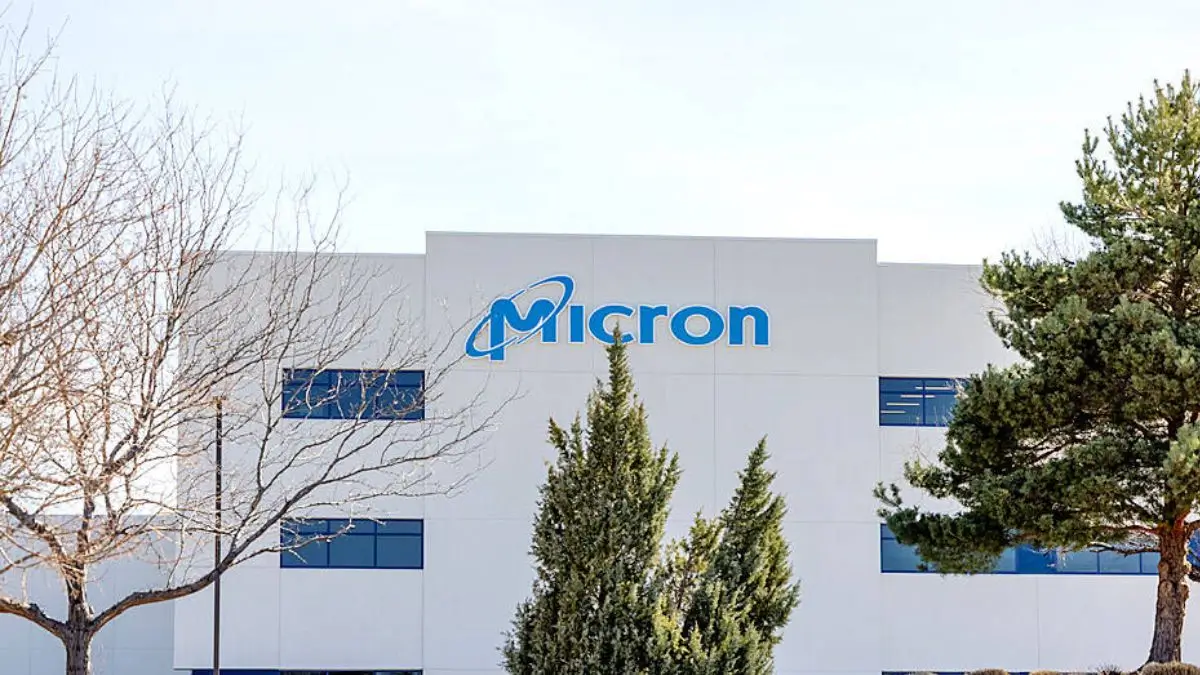
Micron Semiconductor Plant in Sanand inaugurated by PM Modi with ₹22,516 crore investment, strengthening India’s semiconductor ecosystem and generating 5,000 jobs.
PM Modi to Inaugurate ₹20,000 Crore Micron Semiconductor Plant in Sanand
Introduction: A New Phase in India’s Technological Revolution
Prime Minister Narendra Modi inaugurated the ₹22,516 crore semiconductor facility of Micron Technology India Private Limited in Sanand, Gujarat, marking a major milestone in India’s semiconductor manufacturing journey. The plant is one of the largest advanced memory assembly and packaging facilities established in the country and plays a crucial role in strengthening India’s participation in global electronics manufacturing.
Strategic Investment to Boost India’s Chip Ecosystem
The Sanand plant represents a substantial investment of ₹22,516 crore, aimed at producing high‑performance DRAM, NAND flash memory and solid‑state drives (SSD) products that are essential for modern computing, data centers, and artificial intelligence (AI) applications. It will serve both domestic and global markets, boosting India’s semiconductor supply chain resilience.
The facility currently employs around 2,000 workers and is expected to create about 5,000 direct jobs once fully operational. This will significantly contribute to local employment and skill development in high‑technology manufacturing.
Understanding the Semiconductor ATMP Plant
The Sanand site is an ATMP (Assembly, Testing, Marking and Packaging) plant, a critical stage in semiconductor production after wafers are fabricated. At this stage:
- Chips are assembled into packages
- Tested for performance
- Marked and packaged for end‑use applications
The plant receives advanced wafers from Micron’s global network and converts them into finished memory products that power computers, servers and electronic systems.
Alignment with Global Trends and AI Demand
With the rapid adoption of AI, cloud computing and data‑intensive technologies, demand for memory and storage products has soared. India’s strategic launch of this facility aligns with global semiconductor trends and ensures the country becomes a significant player in high‑growth technology supply chains.
Strengthening India’s Industrial Ecosystem
Sanand has emerged as a key technology hub attracting multinational electronics investments. The Micron facility will further enhance the region’s profile as a global semiconductor manufacturing destination, encouraging additional upstream and downstream investments.

Why This News is Important for Competitive Exams
1. Strategic Economic Significance
The inauguration of India’s one of the largest semiconductor plants is a major economic milestone. Semiconductor manufacturing is critical for modern electronics and forms a key part of India’s push toward self‑reliance in technology and supply‑chain security. Competitive exams often test the understanding of such economic initiatives that have long‑term implications for technology, trade and industrial policy.
2. Employment & Technological Advancement
This plant is not just an industrial facility; it’s a gateway to high‑skill employment and technological know‑how. The creation of thousands of jobs and enhanced skill sets in advanced electronics manufacturing has significant socio‑economic impacts — a topic frequently covered in exams for banking, railways, SSC, UPSC and other competitive positions.
3. Linkage to Government Policies
The Micron plant reflects the outcomes of government policies like the India Semiconductor Mission which aims to build a robust electronics ecosystem. Understanding how government missions translate into real investments helps aspirants answer questions related to policy implementation, industrial strategy, and India’s position in global markets.
4. Global Supply Chain and India’s Ambitions
India’s goal to become a semiconductor hub signals its rising prominence in the global tech landscape. Aspirants must grasp how investments of this scale integrate India into global technological supply chains, an increasingly relevant topic in current affairs and economy sections of exams.
5. Relevance to Technology and Innovation Sectors
With AI, cloud computing, mobile tech and digital services expanding rapidly, semiconductors are essential. This announcement underscores how India is aligning with global tech trends — a critical concept in general studies and reasoning sections of various exams.
Historical Context: India’s Semiconductor Push
Early Electronics Import Dependency
Historically, India has been heavily dependent on importing semiconductors and memory chips due to a lack of large‑scale manufacturing capacity. The need to reduce import reliance has been a long‑standing strategic challenge for India’s economy and technology sectors.
Launch of India Semiconductor Mission
In response, the India Semiconductor Mission (ISM) was launched to attract global firms and build local fabrication, assembly and test infrastructure. Incentives, land reforms and policy measures were part of the push to make India a competitive destination.
Phased Investments and Ecosystem Building
Over the past few years, India has approved multiple major investments in semiconductor units across Gujarat and other states, ranging from fab units to OSAT facilities. These collective efforts demonstrate a systematic roadmap to build a complete semiconductor ecosystem.
Shift from Consumer to Producer
With facilities like the Micron ATMP plant becoming operational, India is transitioning from being a major consumer of chips to a producer with global relevance in memory and packaging. This pivot is significant for strategic autonomy and technology leadership.
Key Takeaways from “Micron Semiconductor Plant in Sanand”
| S.No | Key Takeaway |
|---|---|
| 1 | India’s ₹22,516 crore Micron ATMP semiconductor plant was inaugurated in Sanand, Gujarat. |
| 2 | The facility manufactures DRAM, NAND and SSD products for domestic and global markets. |
| 3 | It is expected to generate ~5,000 direct jobs. |
| 4 | The plant strengthens India’s role in semiconductor supply chains and AI technology sectors. |
| 5 | The project aligns with India’s broader semiconductor and technology policy objectives. |
FAQs: Frequently Asked Questions
Q1. Who inaugurated the Micron semiconductor plant in Sanand, Gujarat?
A: Prime Minister Narendra Modi inaugurated the facility.
Q2. What is the total investment made in the Micron ATMP plant?
A: The total investment is approximately ₹22,516 crore.
Q3. What products will be manufactured at the Sanand Micron facility?
A: The plant will produce DRAM, NAND flash memory, and solid-state drives (SSD).
Q4. What type of semiconductor facility is the Sanand plant?
A: It is an ATMP (Assembly, Testing, Marking, and Packaging) facility.
Q5. How many jobs are expected to be created by this plant?
A: The facility is expected to create around 5,000 direct jobs.
Q6. How does the Micron plant align with India’s semiconductor policy?
A: It supports the India Semiconductor Mission and helps India become a global hub for semiconductor manufacturing.
Q7. Why is semiconductor manufacturing important for India?
A: It reduces dependency on imports, strengthens supply chains, supports AI and IT infrastructure, and promotes high-skill employment.
Q8. Which technologies will benefit from the Micron plant output?
A: Technologies such as cloud computing, AI, data centers, mobile devices, and digital electronics.
Some Important Current Affairs Links