
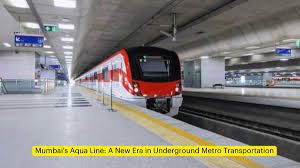
Mumbai’s Aqua Line – A New Era in Underground Metro Transportation
Introduction to Mumbai’s Aqua Line
Mumbai, India’s bustling financial capital, has recently marked a significant milestone in urban transport with the inauguration of the Aqua Line metro. This new addition to the city’s metro network promises to revolutionize underground transportation, enhancing connectivity and reducing travel time for thousands of daily commuters.
Overview of the Aqua Line Project
The Aqua Line is a crucial extension to Mumbai’s existing metro infrastructure, designed to ease congestion and provide a seamless travel experience. The project, spearheaded by the Mumbai Metropolitan Region Development Authority (MMRDA), spans several key areas and is expected to serve a substantial population. The line will connect major residential and commercial hubs, facilitating efficient transit across the city.
Technological Innovations and Features
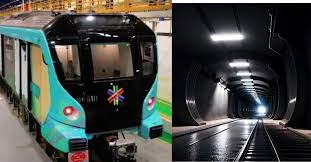
One of the standout features of the Aqua Line is its state-of-the-art technology. Equipped with advanced signaling systems and modern trains, the line ensures high safety standards and punctuality. The underground stations are designed to offer a comfortable and user-friendly experience, incorporating amenities like real-time updates and easy access facilities.
Economic and Environmental Impact
The Aqua Line is not just a marvel of engineering but also a boost to Mumbai’s economy. By improving transportation efficiency, it will contribute to reduced travel times and lower fuel consumption, which in turn will decrease the city’s overall carbon footprint. Additionally, the project is expected to create numerous job opportunities during both the construction and operational phases.
Future Prospects
Looking ahead, the Aqua Line is anticipated to be a game-changer for Mumbai’s public transportation system. It will integrate with other metro lines and public transport services, offering a more cohesive and accessible travel network. This development is a step towards the city’s vision of a more sustainable and well-connected urban environment.
Why This News is Important
Enhancing Urban Mobility
The Aqua Line’s inauguration represents a major leap forward in Mumbai’s urban mobility. By linking crucial areas of the city, it addresses long-standing issues related to traffic congestion and inefficient public transport. This improved connectivity will not only ease daily commutes but also support economic growth by facilitating better access to business and employment opportunities.
Environmental Benefits
The environmental impact of the Aqua Line cannot be understated. With a focus on reducing travel times and promoting the use of public transport, the line contributes significantly to lowering the city’s carbon emissions. This aligns with broader environmental goals and supports Mumbai’s commitment to sustainable urban development.
Economic Growth and Job Creation
The economic implications of the Aqua Line are far-reaching. The project’s completion has already generated numerous jobs and will continue to stimulate economic activity in the region. Improved transport infrastructure is known to attract investment, and the Aqua Line’s benefits will likely extend to various sectors of the economy.
Integration with Existing Networks
The Aqua Line’s strategic design ensures it complements and integrates with Mumbai’s existing metro and public transport networks. This seamless integration enhances the overall efficiency of the city’s transport system, making it easier for residents to navigate and connect with different parts of Mumbai.
Long-Term Vision for Urban Development
The Aqua Line is part of Mumbai’s broader vision for urban development. It represents a commitment to modernizing infrastructure and creating a more efficient, sustainable city. The project sets a precedent for future transport initiatives and underscores the importance of investing in urban infrastructure for long-term growth and development.
Historical Context
Mumbai’s Metro Evolution
Mumbai’s metro system has undergone significant development over the years, evolving from its initial phases to a more expansive and integrated network. The Aqua Line is a continuation of this evolution, reflecting advancements in technology and urban planning.
Previous Projects and Milestones
Before the Aqua Line, Mumbai’s metro network faced challenges in addressing the growing demands of a rapidly urbanizing city. Previous projects, including the initial metro lines, laid the groundwork for the current expansion, demonstrating the city’s commitment to improving public transport infrastructure.
The Role of MMRDA
The Mumbai Metropolitan Region Development Authority (MMRDA) has played a pivotal role in planning and executing various metro projects. The Aqua Line is a testament to MMRDA’s ongoing efforts to enhance urban mobility and infrastructure in Mumbai.
Key Takeaways from Mumbai’s Aqua Line
| Serial Number | Key Takeaway |
|---|---|
| 1 | The Aqua Line is a new underground metro line in Mumbai, aimed at improving urban transport. |
| 2 | It features advanced technology, including modern trains and signaling systems for enhanced safety and efficiency. |
| 3 | The project is expected to reduce travel times and lower the city’s carbon footprint by promoting public transport use. |
| 4 | The Aqua Line will create job opportunities and stimulate economic growth in the region. |
| 5 | It integrates with existing metro lines and public transport, contributing to a more cohesive and accessible transit network. |
Important FAQs for Students from this News
1. What is the Aqua Line?
The Aqua Line is a new underground metro line in Mumbai designed to enhance urban transportation. It connects key areas of the city, improving connectivity and reducing travel times.
2. What are the main features of the Aqua Line?
The Aqua Line boasts advanced technology, including modern trains and sophisticated signaling systems. The stations are equipped with amenities for real-time updates and accessibility.
3. How will the Aqua Line impact Mumbai’s environment?
The Aqua Line is expected to lower carbon emissions by reducing travel times and encouraging public transport use. This supports Mumbai’s goals for sustainable urban development.
4. What are the economic benefits of the Aqua Line?
The Aqua Line will boost economic growth by improving transport efficiency and creating job opportunities during its construction and operation. It will also stimulate investment and business activities.
5. How does the Aqua Line integrate with existing transport networks?
The Aqua Line is designed to seamlessly integrate with Mumbai’s current metro lines and other public transport systems, providing a more cohesive and efficient transit network for residents.
Some Important Current Affairs Links