





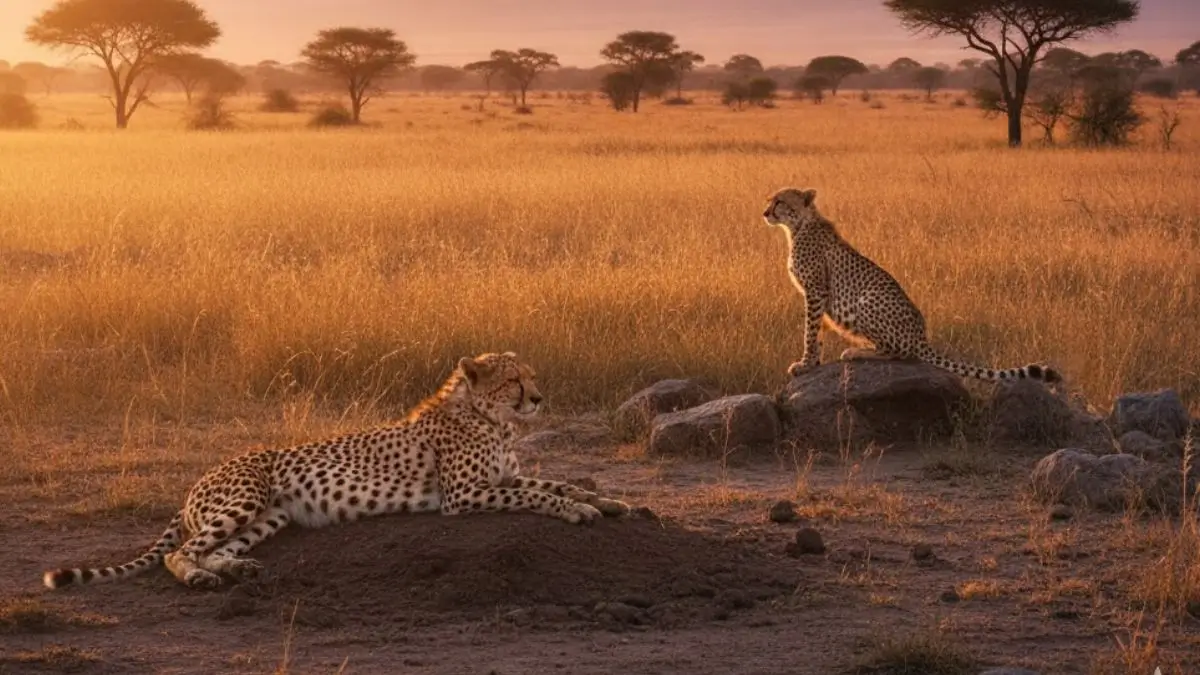
Veerangana Durgavati cheetah habitat: Madhya Pradesh announces development of a new cheetah sanctuary under Project Cheetah, boosting wildlife conservation and biodiversity restoration.
Introduction to the News
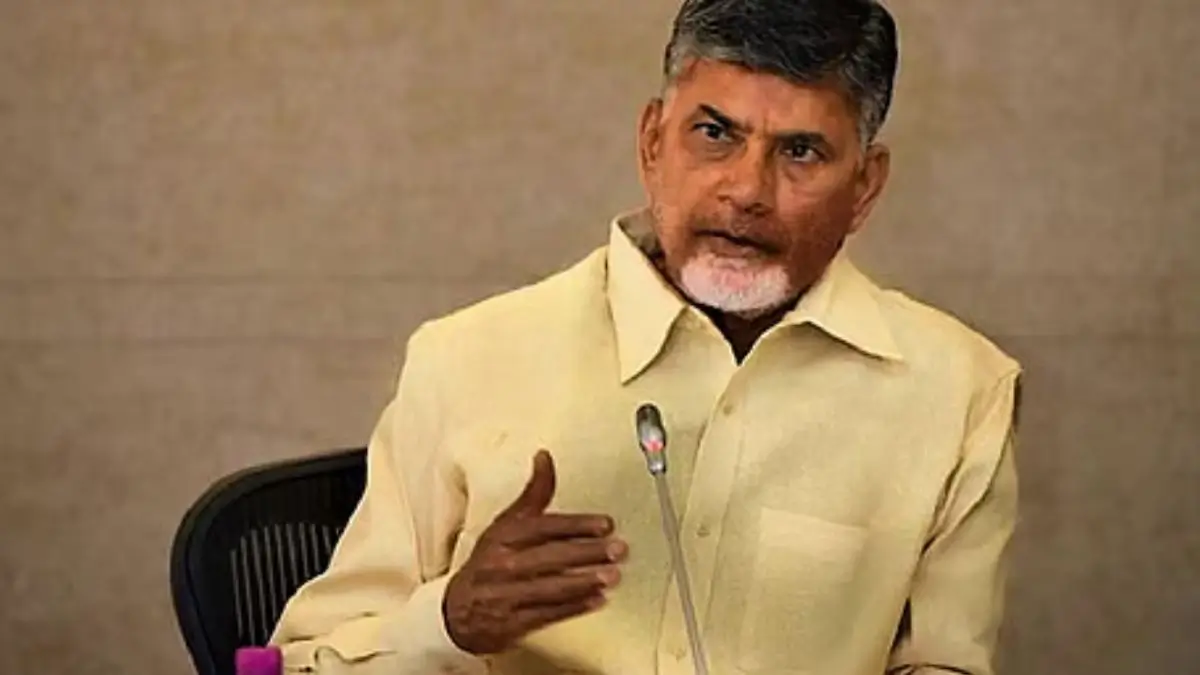
Madhya Pradesh Chief Minister Mohan Yadav recently announced that Veerangana Durgavati Tiger Reserve — located in the Sagar and Damoh districts of the state — will be developed as a new cheetah habitat before the next monsoon season. This move marks a major step in expanding Project Cheetah, the Government of India’s flagship wildlife conservation programme focused on reintroducing cheetahs in the country after their extinction in the wild decades ago.
🐾 About Veerangana Durgavati Tiger Reserve
The Veerangana Durgavati Tiger Reserve was declared a protected tiger habitat by the Government of Madhya Pradesh in recent years, merging the Nauradehi and Durgavati wildlife sanctuaries into one large reserve. It spans over 2,300 sq km of dry deciduous forests, grasslands, and diverse wildlife terrain — offering an ideal landscape for large predators and their prey.
🌍 Cheetah Conservation Efforts in India
After cheetahs became extinct in India in the 1950s, the Government launched Project Cheetah to reintroduce them into suitable habitats. The first reintroduction site was Kuno National Park in Madhya Pradesh, where African cheetahs were translocated successfully. The state also developed Gandhi Sagar Wildlife Sanctuary into a cheetah habitat. Veerangana Durgavati Tiger Reserve will be the third cheetah sanctuary in Madhya Pradesh.
🌱 Significance of the New Habitat
Designating Veerangana Durgavati as a cheetah habitat serves multiple ecological goals:
- Expands the range for a free‑roaming cheetah population outside Kuno National Park.
- Allows cheetahs to be distributed in different ecological zones to reduce pressure on one site.
- Boosts biodiversity conservation and creates opportunities for wildlife research, eco‑tourism, and local livelihood through wildlife protection initiatives.
📊 Government Plans and Timeline
Chief Minister Mohan Yadav stated that the expansion would be completed before the next monsoon season, aligning with the broader timeline of the Government’s cheetah conservation policy. Preparations include habitat improvement, prey species strengthening, fencing, veterinary infrastructure, and community involvement for successful reintroduction.

🌿 Why This News Matters for Students
This development is a high‑impact current affairs topic involving environmental policy, wildlife conservation, ecology, and government project implementation. Questions from this theme may appear in:
- General Studies (Environment & Ecology) — UPSC/State PSCs
- GST & Biodiversity Conservation — SSC/Banking exams
- Current Affairs Sections — Teaching, Railways & Defence exams
Understanding the ecological significance, policy objectives, and conservation strategies behind this news enhances analytical and conceptual preparation for competitive exams.
🤔 Why This News Is Important
Enhances Knowledge of Wildlife Policy
The announcement represents a significant step in India’s wildlife conservation strategy, as cheetah reintroduction is one of the most ambitious biodiversity restoration projects undertaken in recent years. Students should recognise this as a landmark in Project Cheetah and India’s commitment to ecological restoration.
Relevance to Government Schemes and Environment Governance
This topic connects directly to the Ministry of Environment, Forest and Climate Change’s (MoEFCC) policies, project planning under Project Cheetah, and state‑level implementation strategies. It highlights how the centre and states collaborate for wildlife protection and habitat development.
Exam Focus on Biodiversity, Flora & Fauna
In competitive exams, questions often test students on biodiversity conservation efforts, flagship programmes, and their milestones. The expansion of cheetah habitats beyond the initial sites shows India’s adaptive conservation measures.
📜 Historical Context: Project Cheetah and Wildlife Conservation in India
Extinction and Reintroduction
Cheetahs became extinct in India by the late 1950s due to unregulated hunting and habitat loss. For decades, the big cat remained absent from Indian forests, becoming symbolic of lost biodiversity.
Project Cheetah (2022 Onwards)
In 2022, the Government initiated Project Cheetah — bringing African cheetahs to Kuno National Park, Madhya Pradesh. Over the following years, successive batches of cheetahs were introduced, resulting in the first wild births. Expansion plans now include multiple sites like Gandhi Sagar and Veerangana Durgavati Tiger Reserve.
Policy and Institutional Support
The project works under the guidance of the National Tiger Conservation Authority (NTCA) and MoEFCC, involving habitat assessment, policy framing, and ecological research to ensure long‑term sustainability of reintroduced populations.
📌 Key Takeaways from “Veerangana Durgavati Tiger Reserve to Become New Cheetah Habitat in MP”
| S. No. | Key Takeaway |
|---|---|
| 1 | Veerangana Durgavati Tiger Reserve will soon be developed as a new cheetah habitat in Madhya Pradesh. |
| 2 | The reserve will become the third cheetah sanctuary in MP after Kuno National Park and Gandhi Sagar Sanctuary. |
| 3 | This decision is part of Project Cheetah, India’s flagship wildlife conservation initiative. |
| 4 | The habitat expansion aligns with national goals of biodiversity conservation and ecological restoration. |
| 5 | Preparations aim to complete habitat readiness before the next monsoon season. |
FAQs: Frequently Asked Questions
1. What is Veerangana Durgavati Tiger Reserve?
Veerangana Durgavati Tiger Reserve is a protected area in the Sagar and Damoh districts of Madhya Pradesh. It was declared a tiger reserve to conserve tigers, other wildlife species, and biodiversity, and it is now being developed as a new cheetah habitat.
2. Why is Veerangana Durgavati chosen for cheetah reintroduction?
The reserve has a vast area of over 2,300 sq km, with dry deciduous forests, grasslands, and a healthy prey base, making it ideal for free-ranging cheetahs under Project Cheetah.
3. What is Project Cheetah?
Project Cheetah is India’s flagship wildlife conservation program aimed at reintroducing cheetahs into the wild after their extinction in the country in the 1950s. It involves selecting suitable habitats, translocating African cheetahs, and monitoring their adaptation.
4. Which other cheetah habitats exist in Madhya Pradesh?
Currently, the other cheetah habitats in Madhya Pradesh include Kuno National Park and Gandhi Sagar Wildlife Sanctuary. Veerangana Durgavati will become the third.
5. When will the new cheetah habitat be ready?
The Madhya Pradesh government plans to complete habitat preparations before the next monsoon season, including fencing, prey strengthening, and veterinary infrastructure.
6. How does this initiative benefit students preparing for exams?
This news is relevant for General Studies (Environment & Ecology), current affairs sections in UPSC, PSC, SSC, Banking, Railways, Defence, and Teaching exams, as it highlights biodiversity conservation policies and government initiatives.
7. Which government bodies are involved in Project Cheetah?
The Ministry of Environment, Forest and Climate Change (MoEFCC) and the National Tiger Conservation Authority (NTCA) guide the project, collaborating with state forest departments for implementation.
8. What is the significance of expanding cheetah habitats?
Expanding habitats reduces pressure on a single site, allows population dispersal, enhances biodiversity, and promotes research, eco-tourism, and local livelihoods.
9. Why were cheetahs extinct in India?
Cheetahs became extinct due to unregulated hunting, habitat loss, and prey depletion, with the last wild cheetah sighted in the 1950s.
10. What ecological features make Veerangana Durgavati suitable for cheetahs?
The reserve has open grasslands, dry forests, and a rich prey base, crucial for cheetahs to hunt and thrive in the wild.
Some Important Current Affairs Links