




PPP medical colleges in MP tribal districts launched to improve healthcare and medical education. India’s first Public-Private Partnership model aims to strengthen district hospitals and provide quality medical training.
India’s First PPP Medical Colleges to Start in MP Tribal Districts
Groundbreaking Medical Education Initiative in Madhya Pradesh
The Government of Madhya Pradesh has taken a pioneering step in India’s healthcare and medical education landscape by launching the country’s first medical colleges under the Public-Private Partnership (PPP) model in tribal districts. These colleges are being set up in the Dhar and Betul districts — regions that were historically underserved in terms of quality healthcare and tertiary medical education facilities.
Under this model, the state government is providing government land (up to 25 acres) on lease and facilitating the upgrade of existing district hospitals into fully equipped teaching hospitals. Meanwhile, private sector partners are responsible for building the academic campus and investing in infrastructure development, including classrooms, laboratories, hostels, and other essential facilities.
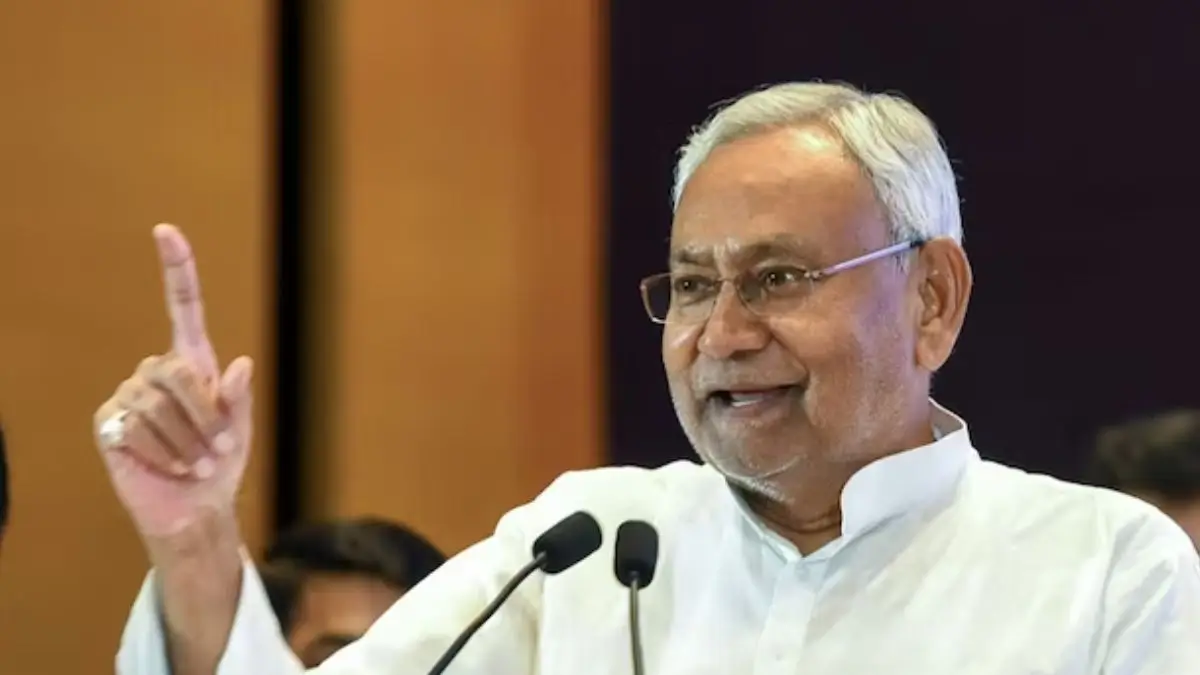
The foundation stones for these institutions were laid in a ceremonial event attended by top dignitaries, including Union Health and Family Welfare Minister J.P. Nadda, along with Madhya Pradesh Chief Minister Dr. Mohan Yadav. In his address, Mr. Nadda emphasized the importance of expanding quality medical education in tribal and remote areas to bring affordable healthcare closer to the people.
What the PPP Model Means for Tribal Healthcare
Under the PPP model, the administrative control of the medical colleges will continue to rest with the state government, while private partners will be involved in operations, infrastructure, and management aspects. This hybrid structure aims to ensure efficient utilization of resources while maintaining regulatory oversight under the National Medical Commission (NMC).
By affiliating these colleges with existing district hospitals, the government plans to strengthen clinical training capacity, enhance healthcare services, and create additional MBBS and post-graduate medical seats. It is part of a broader strategy to bridge the healthcare gap in tribal regions and promote equitable access to high-quality medical education.
Expansion Beyond Initial Launch
While the Dhar and Betul colleges mark India’s first PPP medical institutions, plans are underway to replicate this initiative in other districts such as Katni, Panna, Bhind, Morena, Khargone, Ashoknagar, Guna, Balaghat, Tikamgarh, and Sidhi, among others. This indicates strong governmental commitment to scale the model and bolster public health infrastructure across the state.
In addition, the initiative reinforces the healthcare-education nexus by ensuring that district hospitals transform into training hubs that produce competent healthcare professionals, especially doctors equipped to serve in rural and tribal areas.

Why This News Is Important for Exams
Enhancing Healthcare Access in Tribal Regions
The establishment of India’s first Public-Private Partnership (PPP) medical colleges in Madhya Pradesh’s tribal districts is a monumental development with long-term implications for public health, medical education, and government policy. Traditionally, tribal areas in India have faced critical challenges in accessing quality healthcare services and training facilities. By introducing PPP models in Dhar and Betul, the government aims to bridge these gaps and ensure that local students and community members can pursue medical education without migrating to urban centres.
Public-Private Partnership (PPP): A Strategic Policy Shift
The PPP model represents a significant policy shift in how India approaches its healthcare infrastructure. Historically, medical colleges were established either through fully government-funded initiatives or by private entities operating independently. PPP now merges the strengths of both sectors — government provides land and regulatory support whereas private enterprises bring in capital, operational efficiency, and industry expertise. This model reflects India’s ongoing healthcare reform strategies, aligning with larger national goals like strengthening rural healthcare and producing more qualified doctors to meet increasing demand
Exam Relevance
Students preparing for competitive government exams such as UPSC, PSCs, SSC, Banking, and Teaching services should note:
- The initiative directly ties to public health policy, which is a key part of the General Studies (GS) syllabus.
- The PPP model also links to economics, governance, and public-private collaboration strategies.
- It demonstrates state-level innovation, especially in tribal welfare, a frequent theme in administrative exam questions.
Understanding these developments provides a strong foundation for answering policy-based questions in governance and public administration sections of competitive exams.
Historical Context: PPP in India’s Healthcare System
Public-Private Partnership (PPP) is not a new concept in India; it has been applied in various sectors such as infrastructure, transport, and utilities. However, its formal application in healthcare and medical education at the college level marks a significant milestone. Historically, India’s medical education system has expanded through two main streams: government medical colleges funded by the state or central governments, and private medical colleges established by independent investors.
Despite this growth, tribal and rural areas continued to lag behind due to limited infrastructure, financial constraints, and a lack of medical professionals willing to serve in remote regions. The earliest PPP healthcare initiatives began as collaborative efforts in primary health centres and diagnostic facilities. Over time, PPP has grown to include hospital management, telemedicine services, and specialty units.
The launch of PPP medical colleges in Madhya Pradesh’s tribal districts represents an evolution of this model into professional education and tertiary care, elevating the standard of care in underserved regions while involving private expertise and investment.
Key Takeaways from “India’s First PPP Medical Colleges in Tribal Districts”
| S. No. | Key Takeaway |
|---|---|
| 1 | India’s first PPP-model medical colleges are being established in Madhya Pradesh’s tribal districts of Dhar and Betul. |
| 2 | The PPP model combines government land support with private sector investment for infrastructure and management. |
| 3 | Existing district hospitals will be upgraded into teaching hospitals under National Medical Commission (NMC) guidelines. |
| 4 | The initiative aims to expand access to medical education and healthcare services in underserved tribal regions. |
| 5 | Additional PPP medical colleges are planned in other districts, showing a large-scale strategic rollout. |
FAQs: Frequently Asked Questions
1. What are India’s first PPP medical colleges?
India’s first PPP (Public-Private Partnership) medical colleges are being set up in Dhar and Betul districts of Madhya Pradesh, where the government provides land and regulatory support while private partners handle infrastructure, operations, and management.
2. What is the objective of launching PPP medical colleges in tribal districts?
The initiative aims to improve access to medical education and healthcare in underserved tribal regions, upgrade district hospitals into teaching hospitals, and produce more qualified doctors willing to serve rural areas.
3. Which ministry oversees the PPP medical colleges?
The Union Ministry of Health and Family Welfare oversees policy guidance, while the National Medical Commission (NMC) regulates standards of medical education.
4. How does the PPP model work in these colleges?
Under the PPP model, the state government provides land and hospital infrastructure, and private partners invest in academic buildings, labs, hostels, and management operations, ensuring quality education with public oversight.
5. Are there plans to expand PPP medical colleges to other districts?
Yes, Madhya Pradesh plans to replicate the PPP medical college model in districts such as Katni, Panna, Bhind, Morena, Khargone, Ashoknagar, Guna, Balaghat, Tikamgarh, and Sidhi.
6. What will happen to existing district hospitals in Dhar and Betul?
The district hospitals will be upgraded into teaching hospitals with enhanced facilities for clinical training and patient care.
7. How will these colleges benefit students preparing for competitive exams?
Students preparing for exams like UPSC, PSC, SSC, Banking, Railways, Defence, and Teaching exams should note that this initiative is a major development in public health policy, governance, and rural healthcare programs.
8. Who laid the foundation stones for these colleges?
The foundation stones were laid by Union Health Minister J.P. Nadda and Madhya Pradesh Chief Minister Dr. Mohan Yadav.
9. Why is the PPP model considered important in healthcare?
The PPP model leverages private sector efficiency and investment while maintaining government oversight, helping expand quality healthcare infrastructure faster, especially in underserved areas.
10. What is the significance of affiliating these colleges with district hospitals?
Affiliation ensures hands-on clinical training, strengthens healthcare delivery in tribal areas, and integrates medical education with practical hospital services.
Some Important Current Affairs Links