








Madhya Pradesh unemployment scheme offers ₹6,000/month to women and ₹5,000/month to men through industrial internships, empowering youth with skills and financial support.
Monthly Financial Assistance for Unemployed Youth in Madhya Pradesh
Initiative Launch & Eligibility
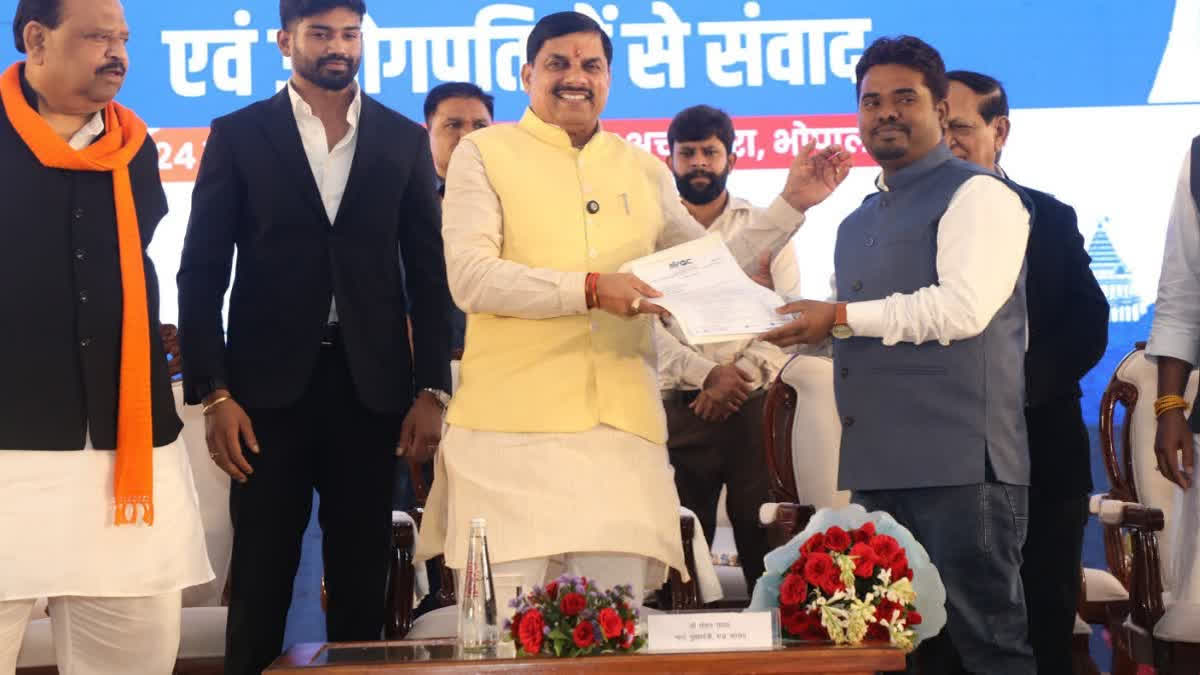
The Government of Madhya Pradesh has recently launched a progressive monthly financial assistance scheme for unemployed youth. Under this initiative, women will receive ₹6,000 per month, while men will receive ₹5,000, contingent on their participation in internships with industries registered under the scheme Aimed at bridging the gap between welfare and employability, the program targets youth aged 20–30 who remain unemployed but eager for industrial exposure.
Linkage with Ladli Behna Yojana
This scheme builds on the popular Ladli Behna Yojana, which offers financial aid to women. Chief Minister Dr. Mohan Yadav has committed to increasing the Ladli assistance to ₹1,500 per month from the upcoming Diwali, with a long-term goal of escalating it to ₹3,000 by 2028 The current stipend program extends support to unemployed men (sometimes informally called “Ladli Bhaiyo”), fostering inclusivity in youth-aid efforts.
Objectives & Skill Enhancement
By tying the stipend to internships, the scheme promotes practical, real‑world training in sectors such as textiles, agriculture, healthcare, and garments. This not only empowers youth with industry-relevant skills but also aligns with Madhya Pradesh’s broader industrial growth strategy — particularly through expansion in the Acharpura Industrial Area, projected to generate over 1,600 direct jobs initially
Gender-Sensitive Design
The differential stipend levels—₹6,000 for women versus ₹5,000 for men—reflect a gender-sensitive approach, recognizing the need for expanded support for women’s economic inclusion and addressing existing disparitiesThis design aims to boost female workforce participation in traditionally male-dominated sectors.
Broader Context: Employment & Welfare Synergy
This scheme marks a shift from direct welfare to welfare-plus-employment, merging social safety nets with skill-building and economic engagement. It reflects a holistic employment strategy rather than isolated cash transfers—beneficiaries not only receive financial relief but also gain workplace experience. Simultaneously, the state benefits from a trained workforce to support its industrial expansion ambitions
Regional Development Focus
Targeting areas like Acharpura and elevating them into special industrial hubs ensures equitable economic growth across regions. By providing training opportunities tied to local industries, the state seeks to decentralize development and bring it closer to rural and semi-urban youth
Why This News Is Important
Empowering Youth Through Employment
This news is critical for exam aspirants because it reflects a state-level welfare policy focusing on unemployment, a recurring theme in general studies and polity. It showcases how governments are evolving from direct benefit transfers to skill-linked welfare, placing emphasis on economic independence and long-term employability.
Gender Equity & Welfare Policy
The differential stipend highlights gender-sensitive policymaking, emphasizing women’s empowerment. Understanding this policy aids candidates for PSC, civil services, and teaching exams in analyzing how social equity measures are implemented in welfare programs.
Industrial Policy & Skill Development
By connecting casual internships in registered industries, the scheme highlights state-level industrial strategy and youth skill development—topics relevant for defence, banking, railways, and civil service exams where governance and economic development are frequently tested.
Integration with Existing Schemes
Appreciating the link to Ladli Behna Yojana (a women’s welfare initiative) provides insight into how governments leverage existing frameworks to expand coverage. Exam-takers often encounter questions on scheme linkages, cross-sector benefits, and implementation mechanics.
Current Affairs & Regional Governance
This initiative is a recent development in Madhya Pradesh (announced late July 2025). Government exam syllabi regularly include state-specific welfare schemes, and this news gives timely material to answer questions on recent policy innovations and their significance.
Historical Context
Evolution of Youth Employment Schemes in MP
Madhya Pradesh has experimented with unemployment allowances before. In 2019, the Yuva Swabhiman Rojgar Yojana under the then Chief Minister Kamal Nath promised ₹4,000 monthly to urban unemployed youth but was discontinued following political changesThe current scheme represents a revived and more expansive approach, integrating internships and higher stipends.
Ladli Behna/Yojana Legacy
The Ladli Behna Yojana has been a consistent feature of MP’s welfare policy, aimed at empowering women through direct cash transfers. The incremental increase from ₹1,250 to ₹1,500 (Diwali 2025) and projection to ₹3,000 by 2028 demonstrates sustained commitment to women’s financial support
Industrial Focus Since 2023
Aligning with MP’s vision for rapid industrial growth—including proposals under its 2023 assembly manifesto to build industrial cities and global skill parks—this stipend initiative complements sectoral investment and modernization strategiesThe Acharpura Industrial Area development is a flagship component of that strategy.
Key Takeaways from “Madhya Pradesh Monthly Assistance Scheme”
| S.No. | Key Takeaway |
|---|---|
| 1 | Women unemployed youth receive ₹6,000/month; men receive ₹5,000/month stipend tied to industrial internships. |
| 2 | Stipend program builds on existing Ladli Behna Yojana, with increased cash support (₹1,500 → ₹3,000 by 2028). |
| 3 | Internship linkage strengthens skill development, improving youth employability in key industrial sectors. |
| 4 | Focused on Acharpura Industrial Area, the program aims to create 1,600+ direct jobs and boost regional development. |
| 5 | The scheme reflects a shift in government approach: from direct welfare to welfare integrated with economic opportunity and skill growth. |
Frequently Asked Questions (FAQs)
1. What is the Madhya Pradesh Monthly Assistance Scheme for unemployed youth?
It is a newly launched state government initiative providing monthly stipends of ₹6,000 for women and ₹5,000 for men who participate in industry-based internships.
2. Who is eligible to receive the stipend under this scheme?
Unemployed youth aged between 20 to 30 years residing in Madhya Pradesh, who register and work in internships with approved industries, are eligible.
3. What is the objective of linking the stipend to internships?
The goal is to enhance employability by providing practical industrial training, thus bridging the gap between academic learning and job readiness.
4. Is this scheme an extension of the Ladli Behna Yojana?
While not formally merged, the scheme complements the Ladli Behna Yojana by expanding the state’s welfare umbrella to include male beneficiaries and skill development components.
5. Which industries are covered under the internship component?
Industries operating in sectors such as garments, textiles, agriculture, healthcare, and those based in the Acharpura Industrial Area are eligible under this scheme.
6. Will the stipend amount be revised in the future?
As of now, only the Ladli Behna Yojana’s monthly support is confirmed for an increase (₹1,500 in Diwali 2025 and ₹3,000 by 2028). No revision in internship stipends has been announced yet.
7. Is there any application portal available for youth to apply for the stipend?
Yes, interested candidates must register through the government’s designated employment or internship portal linked to state-run industries.
8. What is the significance of Acharpura in this scheme?
Acharpura Industrial Area is a key focus for industrial expansion and job creation. It is expected to generate over 1,600 direct jobs under this employment-linked scheme.
9. How does this scheme help in exam preparation?
It provides a real-time example of government intervention in employment generation, skill development, gender welfare, and economic policy—all crucial topics in competitive exams.
10. Can similar schemes be expected in other states?
Yes, state governments often replicate successful welfare-employment integration schemes. Awareness of these developments helps candidates in exams with comparative and analytical questions.
Some Important Current Affairs Links