








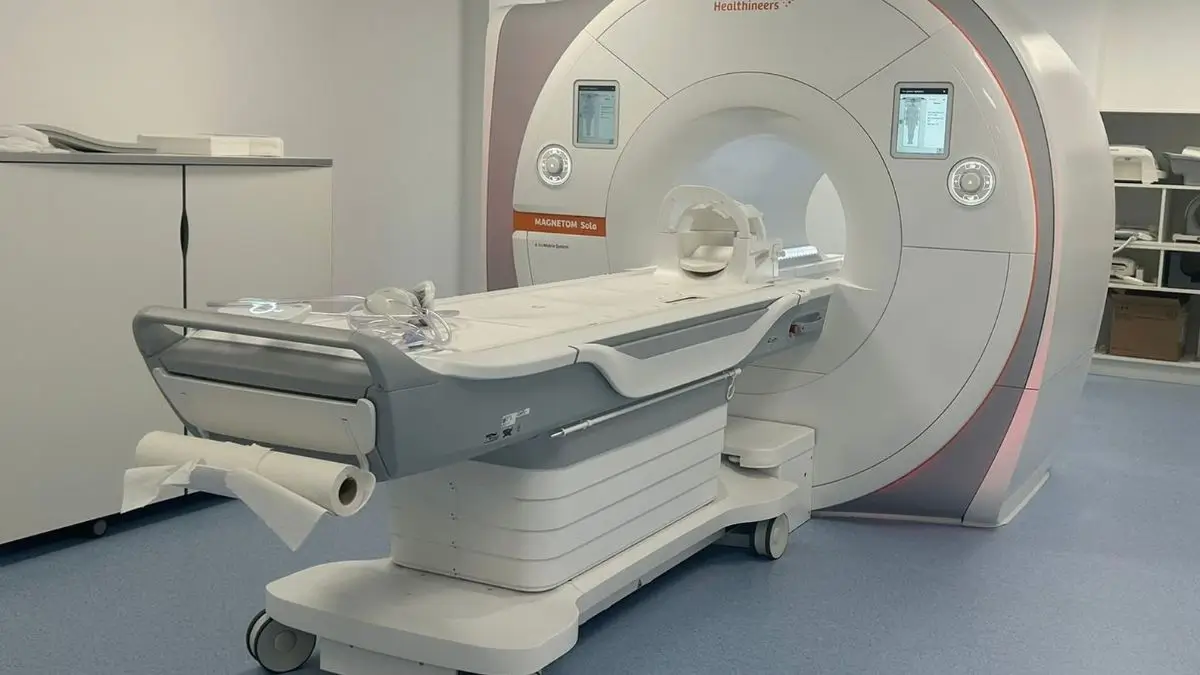
Made-in-India MRI scanner developed by VoxelGrids with Zoho support marks a healthcare technology milestone, supporting Atmanirbhar Bharat and reducing import dependency.
First Made-in-India MRI Scanner Developed with Zoho Support: A Breakthrough in Indian Healthcare Technology
India Makes Historical Strides in Medical Imaging Technology
India has achieved a remarkable milestone in the healthcare technology sector with the development of the first fully indigenous Magnetic Resonance Imaging (MRI) scanner by VoxelGrids, a Bengaluru-based startup supported by Zoho and other partners. This cutting-edge development marks a significant step forward in boosting the nation’s self-reliance (Atmanirbhar Bharat) in high-end medical equipment manufacturing.
About the Indigenous MRI Scanner
VoxelGrids has successfully designed and built a 1.5-Tesla MRI scanner, a standard magnetic field strength equipment widely used in clinical diagnostics. Unlike conventional MRI machines, this indigenous version does not rely on liquid helium for cooling, making it more cost-effective and easier to maintain. The machine has been deployed at the Chandrapur Cancer Care Foundation near Nagpur, strengthening medical services in the region.
Technological Innovations and Cost Reduction
One of the most notable features of this scanner is its helium-free (“dry magnet”) technology. By eliminating the costly liquid helium requirement, the scanner becomes approximately 40% cheaper to produce compared to imported systems. This could lead to lower MRI test prices, improved energy efficiency, lighter machine weight, and better accessibility for small hospitals and rural healthcare centers.
Boost to Domestic Manufacturing and Healthcare Ecosystem
Historically, India’s medical imaging market has heavily depended on imports from global giants such as Siemens, GE Healthcare, Philips, and others. The advent of a domestically designed MRI scanner signifies a major shift towards reducing this import dependency. It also demonstrates the capability of Indian startups and engineers to deliver advanced medical technologies that align with global standards.
Catalyst for MedTech Innovation
This success is the result of a 12-year R&D effort led by Arjun Arunachalam, founder of VoxelGrids, and backed by Zoho and other collaborators. By fostering innovation and research in the country’s medical tech industry, this achievement paves the way for further breakthroughs, contributing to a stronger and more self-sufficient healthcare system.

Why This News Is Important for Government Exam Aspirants
Relevance to Multiple Exam Syllabi
This news is crucial for students preparing for competitive government exams such as UPSC (IAS/IPS), SSC CGL, RRB, Banking, Defence, and State PSCs, as it intersects with key topics in Science & Technology, Government Initiatives, Make in India, and Healthcare sectors.
Healthcare and Technology Integration
The development highlights India’s progress in medical technology and innovation, especially in reducing dependency on foreign imports for high-end equipment. Aspirants should note how innovation, startup ecosystems, and government support (indirectly through enabling environments) are contributing to national goals like Atmanirbhar Bharat. This aligns with syllabus topics on Government Policies & Interventions, Scientific Innovations, and Healthcare Infrastructure.
Government Focus on Self-Reliance
This achievement reinforces the Make in India initiative by demonstrating how Indian startups can deliver sophisticated technology that was previously dominated by global manufacturers. Understanding such developments helps students answer questions on domestic manufacturing, import substitution, and technology leadership in India’s broader economic and strategic landscape.
Policy Implications and Social Impact
Reduced dependency on imported medical equipment can lead to lower healthcare costs, increased access to quality diagnostics, and enhanced service delivery in tier-2 and rural regions. These social development aspects are often explored in essay papers and general studies sections of competitive exams.
Innovation Ecosystem and Startup Growth
Finally, this breakthrough underscores the growing importance of startup innovation in India, emphasizing entrepreneurial success stories in technology and healthcare — a high-yield topic for current affairs preparation.
Historical Context: Indigenous MRI and India’s Healthcare Technology Journey
Early Dependence on Imports
Before this achievement, India relied almost entirely on MRI machines imported from global firms such as Siemens, GE Healthcare, and Philips. These machines were expensive, complex to maintain, and required specialized cooling systems using liquid helium. This dependency posed challenges for affordable healthcare delivery in smaller cities and rural regions.
Make in India and Healthcare Focus
The Make in India initiative, launched in 2014, aimed to transform India into a global manufacturing hub, including in medical devices and technology. Over the years, policy support, increasing R&D investments, and a growing startup ecosystem set the stage for innovations like the indigenous MRI scanner.
R&D and Startup Contributions
VoxelGrids’ journey reflects over a decade of research and development. Its success illustrates how sustained innovation and focus on indigenous solutions can reshape sectors previously dominated by multinational corporations.
Emerging Trends in MedTech
This achievement contributes to a broader trend where Indian companies are increasingly developing critical medical technologies — such as genome editing technologies, advanced therapeutic diagnostics, and locally manufactured imaging equipment — enhancing national capabilities in healthcare and biotechnology.
Key Takeaways from “First Made-in-India MRI Scanner Developed with Zoho Support”
| Serial No. | Key Takeaway |
|---|---|
| 1. | India’s first fully indigenous MRI scanner was developed by Zoho-backed VoxelGrids. |
| 2. | The MRI scanner has a 1.5-Tesla magnetic field strength deployed at Chandrapur Cancer Care Foundation near Nagpur. |
| 3. | It uses helium-free technology, making it cheaper and easier to maintain than conventional MRI machines. |
| 4. | The development enhances Make in India efforts by reducing dependence on imported medical equipment. |
| 5. | This represents a major boost to India’s medical tech ecosystem and could improve access to advanced diagnostics across the country. |
FAQs: Frequently Asked Questions
1. What is significant about the first Made-in-India MRI scanner?
The MRI scanner, developed by VoxelGrids with support from Zoho, is India’s first fully indigenous MRI machine. It uses 1.5-Tesla magnetic strength and helium-free technology, making it cheaper and easier to maintain than imported machines.
2. Who developed the indigenous MRI scanner in India?
The scanner was developed by VoxelGrids, a Bengaluru-based startup, backed by Zoho and other collaborators.
3. Where has the first Made-in-India MRI scanner been deployed?
It has been installed at the Chandrapur Cancer Care Foundation near Nagpur to provide advanced diagnostic services.
4. What is helium-free or “dry magnet” technology in MRI scanners?
Traditional MRI machines require liquid helium for cooling superconducting magnets. The new helium-free MRI uses alternative cooling technology, reducing cost, weight, and maintenance requirements.
5. How does this development align with government initiatives?
This innovation supports Atmanirbhar Bharat and the Make in India initiative, promoting self-reliance in high-tech medical equipment manufacturing.
6. How does this indigenous MRI scanner impact healthcare costs in India?
By eliminating the dependence on imported machines and expensive cooling systems, the cost of MRI tests is expected to reduce, improving accessibility in rural and tier-2 cities.
7. How long was the R&D process for this MRI scanner?
The R&D journey for VoxelGrids’ MRI scanner spanned 12 years, showcasing India’s growing capability in medical technology innovation.
8. Which sector benefits from this breakthrough?
The healthcare sector, particularly hospitals, diagnostic centers, and rural medical infrastructure, benefits from lower-cost, advanced diagnostic technology.
9. What is the importance of 1.5-Tesla MRI scanners?
1.5-Tesla MRI machines are the standard magnetic field strength widely used in clinical diagnostics worldwide for accurate imaging.
10. How does this innovation strengthen India’s MedTech ecosystem?
It demonstrates that Indian startups can deliver world-class medical technology, reduce import dependency, and encourage further innovation in healthcare technology.
Some Important Current Affairs Links