




List of Prime Ministers of India: An Overview
Introduction
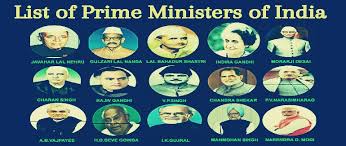
The role of the Prime Minister of India is pivotal in shaping the country’s policies and governance. India, since its independence, has seen a series of leaders guiding the nation through various phases of development and challenges. This article delves into the list of Prime Ministers of India, providing a comprehensive overview of each leader’s tenure and impact on the country’s political landscape.
Early Years of Independent India
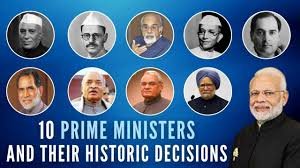
India’s journey as a democratic republic began with Jawaharlal Nehru, the first Prime Minister, who took office in 1947. Nehru’s tenure was marked by his efforts to lay the foundation of modern India, focusing on industrialization, education, and international diplomacy. He was succeeded by Lal Bahadur Shastri, whose short-lived term was notable for the slogan “Jai Jawan Jai Kisan” and the successful Indo-Pakistani War of 1965.
The Era of Political Change
The political scene in India saw significant shifts with Indira Gandhi’s tenure, characterized by her strong leadership and the controversial Emergency period. Her assassination in 1984 led to Rajiv Gandhi’s assumption of office, focusing on technological advancements and economic reforms. The 1990s brought in a period of coalition governments with Prime Ministers like P. V. Narasimha Rao, who is credited with liberalizing the Indian economy, and Atal Bihari Vajpayee, whose term was marked by economic progress and the nuclear tests of 1998.
Recent Developments
In the early 2000s, India witnessed the leadership of Manmohan Singh, who is known for his economic reforms and handling of the global financial crisis. The current Prime Minister, Narendra Modi, has been in office since 2014, focusing on economic reforms, digitalization, and a strong stance on national security and foreign policy. His tenure has seen significant changes in policies affecting various sectors, from the economy to social welfare.
Why This News is Important
Understanding India’s Political Evolution
The list of Prime Ministers of India provides valuable insights into the political evolution of the country. Each Prime Minister has contributed to shaping India’s trajectory through their policies and leadership styles. Understanding their roles helps in comprehending how India’s governance and socio-economic policies have developed over time.
Context for Government Exams
For students preparing for government exams, knowing the list of Prime Ministers and their contributions is crucial. It forms a part of general knowledge and current affairs sections in exams, reflecting their understanding of India’s political history and contemporary issues.
Insight into Policy Changes
The changes in leadership often lead to significant policy shifts. By studying the tenure of each Prime Minister, students can grasp how different administrations have addressed issues such as economic development, national security, and social welfare.
Preparation for Competitive Exams
Knowledge about the Prime Ministers of India is a common topic in competitive exams for various government positions. Familiarity with their achievements, challenges, and impact helps in answering related questions with greater accuracy.
Enhancing General Awareness
For candidates, staying updated on such historical and political facts enhances their general awareness, a key component in government exams. It also aids in developing a broader understanding of the country’s governance structure and political dynamics.
Historical Context
Early Independence and Nehru Era
Jawaharlal Nehru, India’s first Prime Minister, played a critical role in the early years of the republic. His policies laid the groundwork for a modern state, emphasizing industrial growth and international relations. His era also marked the establishment of key institutions and the adoption of a socialist model of economic development.
Shifts in Leadership
The subsequent leaders, including Lal Bahadur Shastri and Indira Gandhi, brought changes in domestic and foreign policies. Shastri’s leadership during the Indo-Pakistani War of 1965 and Gandhi’s controversial Emergency period are significant in understanding the socio-political shifts during their tenures.
Economic Reforms and Technological Advancements
The 1990s introduced economic reforms under P. V. Narasimha Rao and technological advancements under Rajiv Gandhi. These reforms were crucial in transforming India’s economy from a closed system to a liberalized one, setting the stage for rapid economic growth in the following decades.
Recent Political Developments
The leadership of Manmohan Singh marked a period of economic stability and reform, while Narendra Modi’s administration has focused on modernization, infrastructure development, and national security. Each of these leaders has influenced India’s trajectory in various ways, reflecting changes in policy and governance.
Key Takeaways from the List of Prime Ministers of India
| Serial Number | Key Takeaway |
|---|---|
| 1 | Jawaharlal Nehru was India’s first Prime Minister and laid the foundation for modern India. |
| 2 | Lal Bahadur Shastri’s tenure was marked by the successful Indo-Pakistani War of 1965. |
| 3 | Indira Gandhi’s leadership was notable for both significant reforms and the Emergency period. |
| 4 | P. V. Narasimha Rao’s term introduced major economic reforms that liberalized India’s economy. |
| 5 | Narendra Modi’s current administration focuses on economic reforms, digitalization, and national security. |
Important FAQs for Students from this News
1. Who was the first Prime Minister of India?
Jawaharlal Nehru was the first Prime Minister of India, serving from 1947 to 1964.
2. What were the major achievements of Indira Gandhi’s tenure?
Indira Gandhi’s tenure is notable for her implementation of the Emergency period, her efforts in promoting social reforms, and her role in the Green Revolution, which significantly boosted India’s agricultural productivity.
3. What economic reforms did P. V. Narasimha Rao implement?
P. V. Narasimha Rao’s tenure saw major economic reforms including the liberalization of the Indian economy, reduction of import tariffs, and encouragement of foreign investments.
4. What significant event occurred during Atal Bihari Vajpayee’s term?
During Atal Bihari Vajpayee’s term, India conducted nuclear tests in 1998, which were a significant event in the country’s defense policy.
5. What are Narendra Modi’s major focuses as Prime Minister?
Narendra Modi’s administration focuses on economic reforms, digitalization, infrastructure development, and strengthening national security.
Some Important Current Affairs Links