






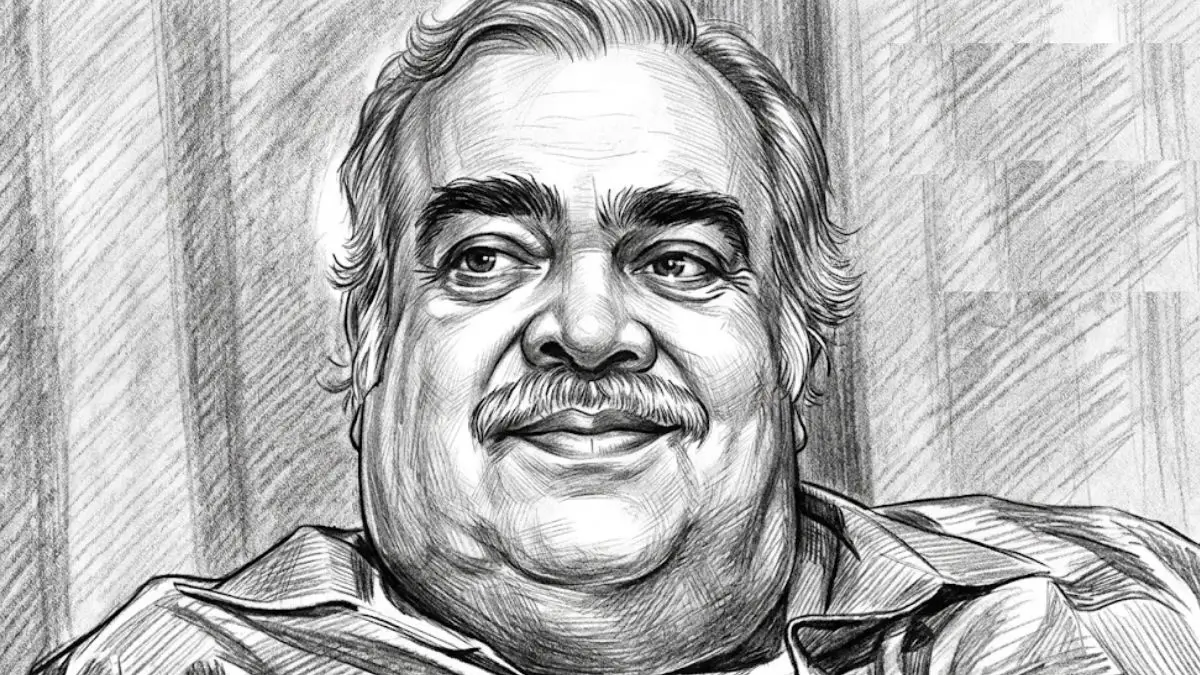
KP Unnikrishnan passes away at 89: Learn about the life, political career, and achievements of the six-time Vadakara MP and former Union Minister in India. Important current affairs for competitive exams.
Passing of Veteran Congress Leader K. P. Unnikrishnan Marks End of an Era
Introduction: Veteran Parliamentarian Passes Away
Senior Indian politician K. P. Unnikrishnan, a former Union Minister and six-time Member of Parliament, passed away on 3 March 2026 in Kozhikode, Kerala, at the age of 89 after suffering from age-related ailments. His death marked the end of a long and influential political career that spanned several decades in Indian politics.
Unnikrishnan was widely respected for his experience in parliamentary affairs and his role in shaping national political debates during the 1980s and 1990s. Known for his strong ideological views and intellectual approach to politics, he remained an influential voice even after retiring from active politics.
Parliamentary Career and Electoral Success
K. P. Unnikrishnan represented the Vadakara Lok Sabha constituency in Kerala for six consecutive terms between 1971 and 1991. His repeated victories demonstrated his strong grassroots support and political influence in northern Kerala.
During his parliamentary career, he served in several important roles. He was a member of the Public Accounts Committee, a key parliamentary body responsible for examining government expenditure and ensuring financial accountability. Between 1981 and 1984, he also served as the leader of Congress (Secular) in Parliament, reflecting his stature within national politics.
Role as Union Minister in the VP Singh Government
Unnikrishnan served as a Union Minister in the government of Prime Minister V. P. Singh between 1989 and 1990. During his tenure, he handled key portfolios including Surface Transport and Communications.
One of the most notable achievements of his ministerial career was his involvement in coordinating the evacuation of Indians stranded during the Gulf War crisis. The operation was among the largest civilian evacuation missions undertaken by India at the time and demonstrated the government’s logistical and diplomatic capabilities.
Early Life and Entry into Politics
Born on 20 September 1936, Unnikrishnan studied at Madras Christian College in Chennai and later obtained a law degree. Before entering politics, he worked as a journalist and writer, contributing articles to newspapers and periodicals.
During his youth, he was associated with socialist political movements such as the Socialist Party and Praja Socialist Party. In the 1960s, he joined the Indian National Congress and soon became an important figure within the party’s national structure.
Political Legacy and Contributions
Over his decades-long career, K. P. Unnikrishnan played an important role in shaping political discourse in India. He was known for his strong parliamentary interventions, commitment to democratic values, and emphasis on secular politics.
His career reflected the changing dynamics of Indian politics, from socialist activism to mainstream national politics. Even after retiring from electoral politics, he remained active in intellectual and political discussions through writing and public commentary.
The passing of Unnikrishnan is widely seen as the end of a significant chapter in Indian parliamentary politics, especially for Kerala and the Congress party. His contributions to public service and national politics continue to be remembered across political circles.

Why This News Is Important
Importance for Indian Polity and Political History
The death of K. P. Unnikrishnan is significant for students of Indian polity and current affairs because it highlights the legacy of a prominent parliamentarian who served during a transformative period in Indian politics. His career spanned multiple political eras, including those of Indira Gandhi, Rajiv Gandhi, and V. P. Singh, making him an important figure in understanding the evolution of coalition politics and party dynamics in India.
Relevance for Competitive Examinations
For government exam aspirants, this news is relevant because it touches upon several topics frequently asked in competitive exams such as Indian political leaders, parliamentary institutions, cabinet portfolios, and historical political events. Unnikrishnan’s role in the 1990 Gulf War evacuation of Indian citizens is particularly important as it represents one of India’s major international humanitarian operations.
Additionally, his long tenure as a six-time MP from the Vadakara constituency illustrates the functioning of the Lok Sabha electoral system and the importance of strong regional leadership in Indian democracy. Questions related to such political figures and events often appear in examinations for civil services, banking, defence, and state-level government recruitment.
Historical Context: Background of the Political Career
Rise of Regional Leaders in National Politics
The political career of K. P. Unnikrishnan developed during a time when regional leaders increasingly influenced national politics. After India’s independence, national parties such as the Indian National Congress dominated the political landscape, but by the 1970s and 1980s, strong regional leaders began shaping parliamentary debates and coalition governments.
Political Developments in the 1980s and 1990s
During the late 1980s, Indian politics witnessed the rise of coalition governments and alternative political alliances. Leaders like Unnikrishnan were involved in efforts to build non-Congress and non-BJP political fronts that eventually led to the formation of the V. P. Singh government in 1989.
This period also saw major political controversies and reforms, including debates on corruption, governance, and economic policy. As a parliamentarian and minister, Unnikrishnan played an active role in these discussions and helped shape the political narrative of that era.
India’s Gulf War Evacuation Operation
One of the most important historical events associated with Unnikrishnan’s ministerial tenure was the evacuation of Indians during the 1990–91 Gulf War. The conflict forced thousands of Indian workers to leave the region, and the Indian government coordinated a large evacuation effort to bring citizens back safely. This operation remains one of the largest civilian evacuations in history and is frequently cited in discussions of India’s crisis-management capabilities.
Key Takeaways from This News
| S. No. | Key Takeaway |
|---|---|
| 1 | K. P. Unnikrishnan, former Union Minister and six-time MP, passed away in Kozhikode on 3 March 2026 at the age of 89. |
| 2 | He represented Vadakara Lok Sabha constituency for six consecutive terms from 1971 to 1991. |
| 3 | He served as Union Minister for Surface Transport and Communications in the government of V. P. Singh (1989–1990). |
| 4 | He played a key role in coordinating the evacuation of Indians during the Gulf War crisis. |
| 5 | His career reflected the transition of Indian politics from socialist movements to coalition-era national politics. |
FAQs: Frequently Asked Questions
1. Who was K. P. Unnikrishnan?
K. P. Unnikrishnan was a veteran Indian politician, writer, and former Union Minister who played a significant role in national politics during the 1980s and 1990s. He served as a Member of Parliament multiple times from the Vadakara constituency in Kerala and was known for his strong parliamentary debates and political leadership.
2. When did K. P. Unnikrishnan pass away?
K. P. Unnikrishnan passed away on 3 March 2026 at the age of 89 in Kozhikode, Kerala, due to age-related ailments. His death marked the end of a long and influential political career.
3. From which constituency was K. P. Unnikrishnan elected to the Lok Sabha?
He represented the Vadakara (Vatakara) Lok Sabha constituency in Kerala and was elected repeatedly from this seat during his political career.
4. In which government did he serve as Union Minister?
K. P. Unnikrishnan served as a Union Minister in the cabinet of Prime Minister V. P. Singh from 1989 to 1990.
5. Which ministries did he handle as Union Minister?
He handled important portfolios such as Communications and Surface Transport in the V. P. Singh government.
6. What was his role during the Gulf War crisis?
He played an important role in coordinating the evacuation of Indians stranded in the Gulf region during the 1990–91 Gulf War, which was one of the largest evacuation operations conducted by India.
7. What was K. P. Unnikrishnan’s educational background?
He studied at Madras Christian College in Chennai and later pursued a law degree before entering politics and journalism.
8. Which political parties was he associated with?
During his political career, he was associated with multiple parties including the Indian National Congress, Congress (Secular), and Indian Congress (Socialist).
9. Why is his political career considered significant?
His career reflected the transformation of Indian politics during the coalition era and highlighted the growing importance of regional leaders in national politics.
10. Why is this news relevant for competitive exams?
The news is important for exams because it relates to important political personalities, parliamentary history, cabinet ministries, and major international events like the Gulf War evacuation, which are frequently asked in government exams.
Some Important Current Affairs Links