








Kerala health news, skin grafts, organ donation India, government medical college Thiruvananthapuram, World Plastic Surgery Day, public healthcare infrastructure, burn treatment India
Kerala Inaugurates Its First Skin Bank at Thiruvananthapuram Medical College
Kerala is set to revolutionize burn care with the launch of its first government-operated skin bank, established at Thiruvananthapuram Government Medical College Hospital (MCH). This skin bank—built at an approximate cost of ₹6.75 crore—will officially open its doors on July 15, coinciding with World Plastic Surgery Day Approved by the Kerala State Organ and Tissue Transplant Organisation (K‑SOTTO), the facility is designed to routinely collect and store donated skin, offering a critical lifeline for patients with severe burns or skin trauma
Functionality & Significance of the Skin Bank
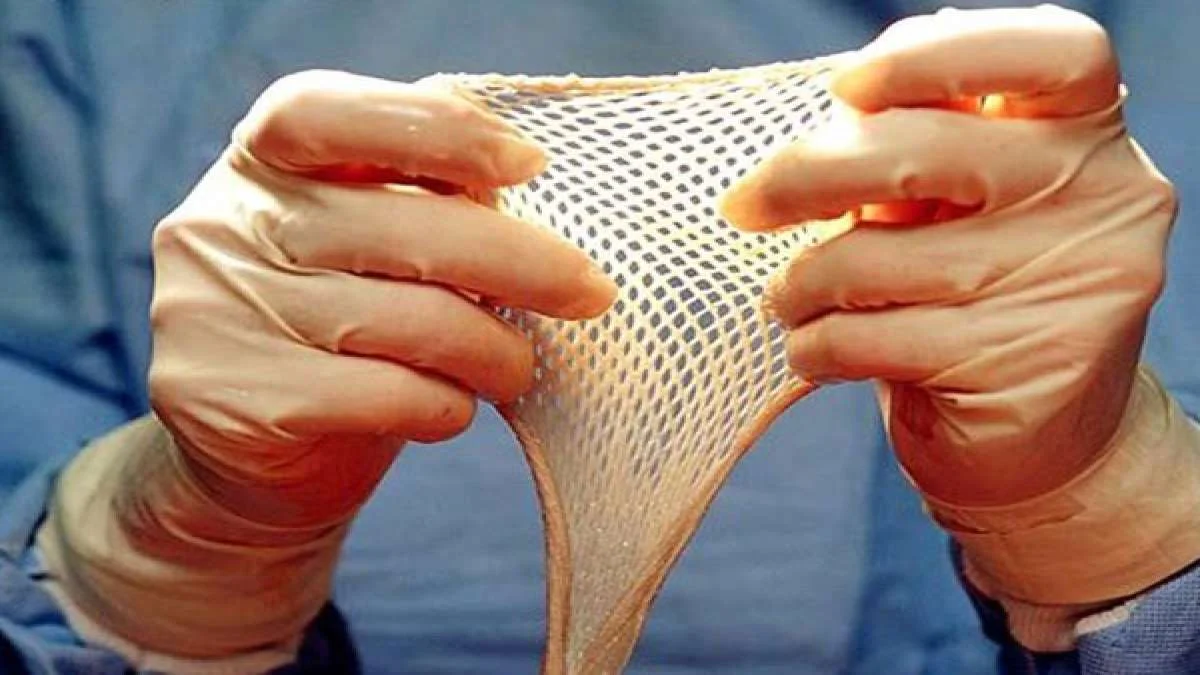
Operating in a manner similar to a blood bank, the skin bank will collect donor skin from voluntary living donors and consented deceased individuals. Harvested from areas like the thighs and back, grafts measuring 0.1–0.9 mm in thickness will be preserved under controlled conditionsThese grafts will be made available to patients suffering from extensive skin loss due to burns or accidents, helping to mitigate fluid loss, pain, and infection risk.
Boosting Burn Care Infrastructure in Kerala
Kerala has taken a multi-pronged strategy toward enhancing burn management:
- Burns units now operate in Alappuzha, Kollam, Kannur, Kottayam, Ernakulam, and Thrissur medical colleges
- Burns ICUs have been set up, delivering expert critical care for patients with severe burns .
- Plastic surgery departments now augment these centres, ensuring holistic treatment .
Another skin bank is currently being planned at Kottayam Medical College, showing the government’s commitment to scaling burn-care infrastructure
Why This News Is Important
A Landmark for Burn Care
The launch marks a major healthcare milestone for Kerala. Being the first state government skin bank in India strengthens the state’s healthcare readiness, especially in emergencies involving severe burns, which are often life-threatening and medically complex.
Relevance for Government Exam Aspirants
For aspirants in civil services, medical posts, healthcare administration, and related competitive exams, this news is vital. It encompasses key health infrastructure policies, public healthcare planning, and efforts under state-level organ and tissue donation systems—topics commonly tested in GS papers and professional examinations.
Indicators of Systemic Innovation
The initiative reflects forward-thinking health policies, such as leveraging organ donation frameworks and integrating plastic surgery protocols. Understanding such systemic healthcare developments helps candidates write coherently about topics like India’s evolving healthcare infrastructure, organ transplantation norms, and burn-management protocols in essays and interviews.
Historical Context
Evolution of Burn Care in India & Kerala
Burn injuries pose significant challenges due to a high risk of infectious complications, fluid imbalance, and scarring. Historically, India has grappled with a surge in burn cases, especially domestic and industrial accidents. Kerala has responded with structured burn units and ICUs since the early 2000s.
Development of Organ & Tissue Donation
With systems such as K‑SOTTO in place since the mid-2010s, Kerala has progressively expanded donation beyond organs to include tissues like the cornea and skin. The establishment of the skin bank at Thiruvananthapuram MCH is a natural and significant next step in this evolution, underlining the maturity of the state’s organ donation framework.
Key Takeaways from Kerala’s First Skin Bank
| S.No. | Key Takeaway |
|---|---|
| 1 | Launch Date & Location: Kerala’s first government skin bank to launch at Thiruvananthapuram MCH on July 15, aligning with World Plastic Surgery Day |
| 2 | Purpose & Function: It will collect and store skin grafts from donors to treat burn and skin-loss patients, reducing infection and accelerating recovery |
| 3 | Approvals & Funding: The project is funded at ₹6.75 crore and approved by K‑SOTTO, ensuring regulatory compliance |
| 4 | Statewide Burn Infrastructure: Kerala has established burns units, ICUs, and plastic surgery wings across multiple medical colleges |
| 5 | Expansion Plan: A second skin bank is planned at Kottayam Medical College, highlighting state-wide scale-up |
FAQs: Frequently Asked Questions
Q1. What is the purpose of Kerala’s first skin bank?
The skin bank aims to collect, store, and distribute skin grafts for patients with severe burns or skin loss, helping reduce infection, manage fluid loss, and accelerate healing.
Q2. Where is the first government-run skin bank of Kerala located?
It is located at Government Medical College Hospital (MCH), Thiruvananthapuram.
Q3. Who approved the establishment of the skin bank in Kerala?
The Kerala State Organ and Tissue Transplant Organisation (K‑SOTTO) approved the project.
Q4. How much did the government invest in setting up the skin bank?
The total investment for the skin bank project is approximately ₹6.75 crore.
Q5. When will Kerala’s first skin bank be inaugurated?
It is scheduled for inauguration on July 15, to mark World Plastic Surgery Day.
Q6. Which other medical colleges in Kerala have burn care units?
Burn care units have been established in Alappuzha, Kollam, Kannur, Kottayam, Ernakulam, and Thrissur.
Q7. What is the role of a skin bank in burn treatment?
A skin bank plays a crucial role in temporary coverage of wounds, controlling infections, managing pain, and providing a protective barrier until permanent healing occurs.
Some Important Current Affairs Links