









Kerala Tops Protected Area Evaluation 2025: Discover how Kerala achieved the highest MEE rating for protected areas, Eravikulam National Park top score, and key insights for UPSC, PSC, and other govt exam aspirants.
🌿 Kerala Tops National Protected Areas Evaluation (2020–2025)
Kerala excels in national park management
In the recent Management Effectiveness Evaluation (MEE) for 2020–2025, conducted by the Ministry of Environment, Forest and Climate Change (MoEFCC), Kerala emerged as the only state achieving a “Very Good” rating, scoring 76.22% across its 21 national parks and wildlife sanctuaries Chandigarh also scored high (85.16%), but as a union territory. Kerala’s standout efforts set a benchmark in biodiversity conservation nationwide.
Eravikulam NP shares top position
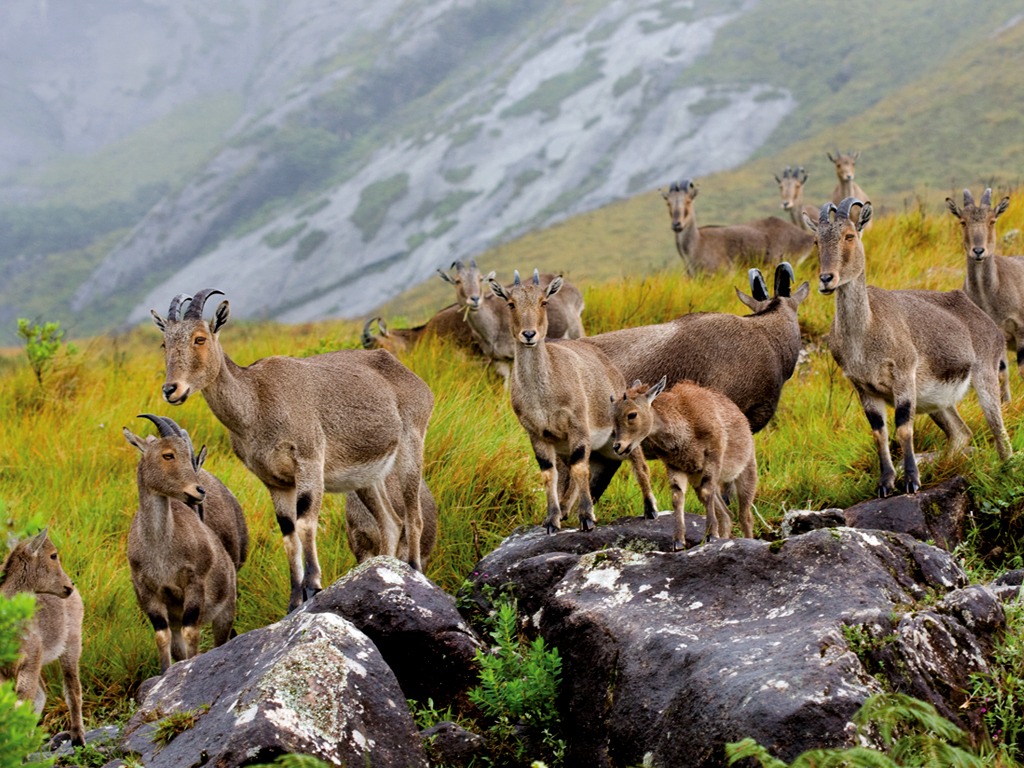
At the individual protected area level, Eravikulam National Park (Kerala) tied with Dachigam National Park (J&K), both securing an impressive 92.97% MEE score Other Kerala sites—such as Mathikettan Shola NP and Chinnar Wildlife Sanctuary—also ranked among the top 6, reflecting strong conservation structures.
Statewide performance and issues
Kerala’s MEE performance reflects consistent improvements—20 of its 21 protected areas showed positive score trends However, challenges persist:
- Mangalavanam Bird Sanctuary (Kochi) fell due to sewage discharge and vehicle‑related pollution—with no formal management plan
- Idukki Wildlife Sanctuary faces pressure from feral cattle and weakened habitat monitoring.
- Wayanad Wildlife Sanctuary is troubled by human–elephant conflict resulting from encroachment and cattle incursions.
- Anamudi Shola NP is stressed by increasing vehicular traffic
NIEA’s nationwide assessment
The MEE covered 438 national parks and sanctuaries across India, with an overall mean score rising from 60.5% (previous cycle) to 64.4%, placed in the “Good” category Of these, 84 were rated “Very Good,” 214 “Good,” 122 “Fair,” and 18 “Poor.” Notably, Ladakh scored only 34.9%, placing it in the “Poor” category
Recommendations for Kerala’s protected areas
The evaluation suggests solutions for Kerala’s problem zones: setting up proper management planning, addressing waste treatment and pollution, constructing wildlife corridors, relocating hamlets, and revitalising eco‑development committees

Why This News Is Important
Enhances environmental syllabus relevance for competitive exams
Kerala’s achievement in the MEE evaluation and its ranking among India’s top-performing states directly relate to the GS–3 (Environment, Biodiversity) and General Studies (prelims and mains) sections across exams like UPSC, State PSCs, SSC, Banking, Railways, and defence services.
Highlights policy instruments for protected areas
Understanding the mechanisms of Management Effectiveness Evaluation (MEE) and the IUCN-WCPA global framework provides exam-worthy insight into how India assesses and improves its conservation efforts Such frameworks often appear in current affairs questions or essay prompts.
Demonstrates integration of conservation challenges and governance
This news exemplifies how ecological governance interfaces with human activity—urban pollution, human–wildlife conflict, and habitat monitoring; exam questions often probe such real-world scenarios.
Offers case studies and facts for answers
Facts like Kerala’s “Very Good” rating, Eravikulam’s 92.97% score, and Ladakh’s 34.9% poor rating enrich candidates’ answers with precise data. Knowing these case studies can differentiate in descriptive/essay answers or during interviews.
Historical Context
Origins of Protected Area Management in India
The concept of protected areas in India dates to colonial-era wildlife sanctuaries, evolving post-independence under national wildlife protection acts. Frameworks such as Project Tiger (1973) and the Wildlife Protection Act (1972) laid the groundwork for systematic ecosystem conservation.
Introduction of Management Effectiveness Evaluation
India adopted MEE methodologies from the IUCN‑WCPA, integrating them into national policy since 2006. The MEE cycles—spanning ~5 years—evaluate governance outcomes, management strategies, conservation impact, scientific research, community outreach, and financial sustainability.
Kerala’s conservation legacy
Kerala has a long conservation tradition: Periyar Wildlife Sanctuary (1950), Eravikulam NP (1978), and inclusion in the UNESCO-listed Western Ghats region all hail from Kerala’s ecological vision. Its integrated eco‑tourism models—particularly at Eravikulam—combine biodiversity conservation with local livelihoods
Evolving conservation challenges
Kerala balances high conservation scores with increasing urbanisation and human-wildlife pressures. The drop in Mangalavanam’s rating spotlights the ongoing need for regulation and planning in urban fringe areas.
Key Takeaways from Kerala Tops National MEE
| S.No. | Key Takeaway |
|---|---|
| 1 | Kerala earned a “Very Good” MEE rating (76.22%), the only state to do so in 2020‑2025 cycle. |
| 2 | Eravikulam NP (Kerala) and Dachigam NP (J&K) topped all 438 PAs with 92.97% score. |
| 3 | Mangalavanam Bird Sanctuary dropped due to urban pollution and lack of management planning. |
| 4 | Ladakh ranked “Poor” with only 34.9%, highlighting regional disparities in PA governance. |
| 5 | Recommendations include improving management plans, pollution control, wildlife corridors, and community committees. |
FAQs: Frequently Asked Questions
Q1. What is the Management Effectiveness Evaluation (MEE)?
MEE is a framework developed by the IUCN-WCPA used to assess how effectively protected areas such as national parks and wildlife sanctuaries are managed. In India, it is conducted by the Ministry of Environment, Forest and Climate Change (MoEFCC).
Q2. How often is the MEE conducted in India?
MEE evaluations are conducted every 4–5 years. The current cycle covered the period from 2020 to 2025.
Q3. Which state received the highest rating in the 2020–2025 MEE cycle?
Kerala received the highest score among all Indian states with a “Very Good” rating and a 76.22% overall score across its protected areas.
Q4. What is the significance of Eravikulam National Park?
Eravikulam NP in Kerala tied with Dachigam NP (J&K) as the top-scoring protected areas in India with a 92.97% MEE score. It is located in the Western Ghats and is known for the endangered Nilgiri Tahr.
Q5. Why did Mangalavanam Bird Sanctuary receive a poor score?
It scored low due to high pollution from sewage and vehicle emissions, as well as the absence of a formal management plan. These urban ecological threats impacted its conservation effectiveness.
Q6. Which other protected areas in Kerala performed well?
Mathikettan Shola NP, Chinnar WLS, and Neyyar WLS were among the top scorers in India’s MEE evaluation, reinforcing Kerala’s overall biodiversity conservation excellence.
Q7. How can this topic appear in government exams?
It can appear as a current affairs question, part of environmental studies (GS Paper-3), or in questions about biodiversity conservation efforts, policy implementation, or India’s ecological initiatives.
Some Important Current Affairs Links