








Karnataka minority housing quota increased to 15% under all state-run schemes. Learn how this policy aligns with the Sachar Committee and 15-Point Programme for Minorities. Latest June 2025 update with exam-relevant insights.
Karnataka Raises Housing Quota for Minorities from 10% to 15% 📢
Introduction to the Policy Change
On June 19, 2025, the Karnataka Cabinet approved a significant policy change, increasing housing reservations for religious minorities under state-run schemes from 10% to 15% This decision, led by Chief Minister Siddaramaiah and Housing Minister Zameer Ahmed Khan, is aimed at welfare-driven inclusive development across urban and rural areas
Scope and Beneficiaries
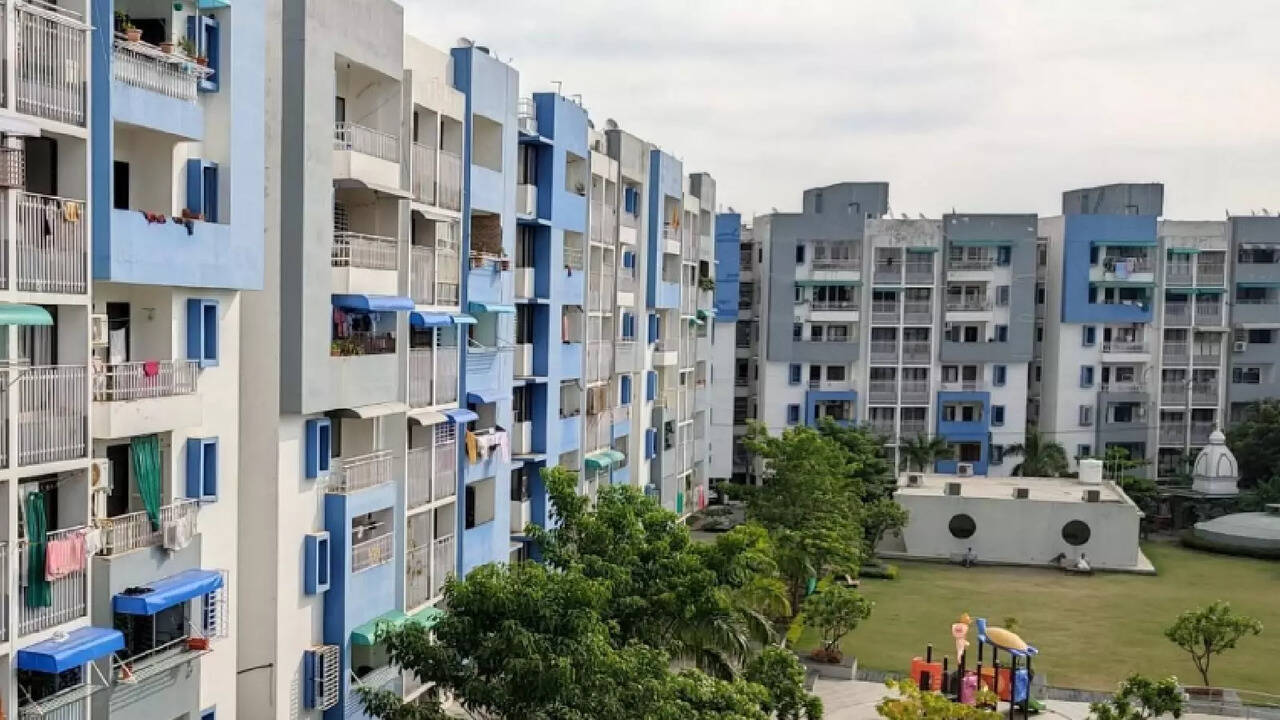
The 15% quota encompasses all religious minorities, including Muslims, Christians, Sikhs, Jains, Buddhists, and Parsis, without further internal segmentation The expansion applies to all housing schemes administered by the Urban and Rural Development Departments, notably in cities such as Bengaluru and towns like Mandya
Rationale Behind the Move
Government officials cited data indicating higher homelessness among minority groups compared to other communities Law Minister H.K. Patil emphasized the “Housing for All” vision, stating that minorities disproportionately need this support Deputy CM Shivakumar noted that many constructed housing units remain vacant, and reserving them for minorities ensures better utilization
Alignment with Central Policy
The state claims consistency with central guidelines, such as the Sachar Committee recommendations and the 15-Point Programme for Minorities instituted by the NDA government CM Siddaramaiah confirmed that this increase aligns with established federal directives
Political Opposition and Constitutional Debate
The BJP has criticized the policy, labeling it “religion-based reservation” and questioning its constitutional validity Leaders like Amit Malviya and Pralhad Joshi argue it undermines SC/ST/OBC entitlements and flouts Supreme Court precedent
In response, state leaders assert the move addresses ground realities, not community appeasement .
Why This News is Important
Relevance in Public Policy & Governance
This move reflects a significant shift in Karnataka’s social welfare framework. It underscores the state’s intent to proactively address housing disparities among minorities—an essential aspect of targeted governance.
Implications for Competitive Exams
- Polity & Constitution: Raises questions on the constitutional legality of religion-based reservations and precedents like the Supreme Court’s restrictions.
- Government Schemes: Connects to the central 15-Point Programme for minorities and implementation of Sachar Committee recommendations.
- Current Affairs: Offers insight into contemporary political dynamics in Karnataka, including BJP’s opposition and state government responses.
Historical Context
Origin of the 15% Framework
The foundation lies in central directives dating back to 2006, influenced by the Sachar Committee’s findings on minority socio-economic gaps. The “15-Point Programme for Minorities” institutionalized a 15% allocation in welfare sectors
State Precedents
In 2019, a Karnataka cabinet sub-committee had recommended raising the housing quota to 15% Despite this, actual implementation waited until renewed central notifications and mounting political pressure
Recent Related Moves
Earlier this year, Karnataka initiated a 4% reservation for Muslims in government contracts under ₹2 crore, a policy also contested by the BJP
Key Takeaways from “Karnataka’s 15% Minority Housing Quota”
| # | Key Takeaway |
|---|---|
| 1 | Minority housing reservation raised from 10% to 15% for state-run schemes as approved on June 19, 2025. |
| 2 | Applies to all religious minorities (Muslims, Christians, Sikhs, Jains, Buddhists, Parsis) with no internal sub-quotas. |
| 3 | Rationale: Growing homelessness among minority communities and numerous unoccupied housing units in urban/rural areas. |
| 4 | Legal & policy grounding: Aligns with the 2006 Sachar Committee recommendation and the Central govt’s 15‑Point Programme. |
| 5 | Political debate: BJP labels it unconstitutional and divisive; Congress defends it as welfare-centric and legally sound. |
FAQs: Frequently Asked Questions
1. What is the new housing quota for minorities in Karnataka?
The Karnataka government has raised the housing quota for religious minorities from 10% to 15% under all state-run housing schemes.
2. Which communities are included in the minority category?
The minority communities include Muslims, Christians, Sikhs, Jains, Buddhists, and Parsis.
3. Why did the Karnataka government increase the housing quota?
The state cited higher homelessness rates among minorities and the need to improve occupancy in government-constructed housing units.
4. Is this move legally valid under the Indian Constitution?
While the government claims it aligns with central guidelines and past recommendations, opposition parties have questioned its constitutional validity citing religion-based quota concerns.
5. What central policies support this initiative?
The decision is aligned with the 15-Point Programme for Minorities and the Sachar Committee Report, which emphasize inclusive welfare distribution.
6. Who opposed the decision and why?
The BJP has opposed the move, stating that it violates constitutional provisions and creates inequality among communities.
7. What is the Sachar Committee Report?
The Sachar Committee Report (2006) studied the socio-economic and educational status of Muslims in India and recommended steps for their upliftment, including welfare quotas.
Some Important Current Affairs Links