




Justice Vikram Nath appointed NALSA Executive Chairman 2025 to lead legal aid initiatives and Lok Adalats. Learn about his role, NALSA’s mandate, and impact on social justice.
Justice Vikram Nath Appointed Executive Chairman of NALSA
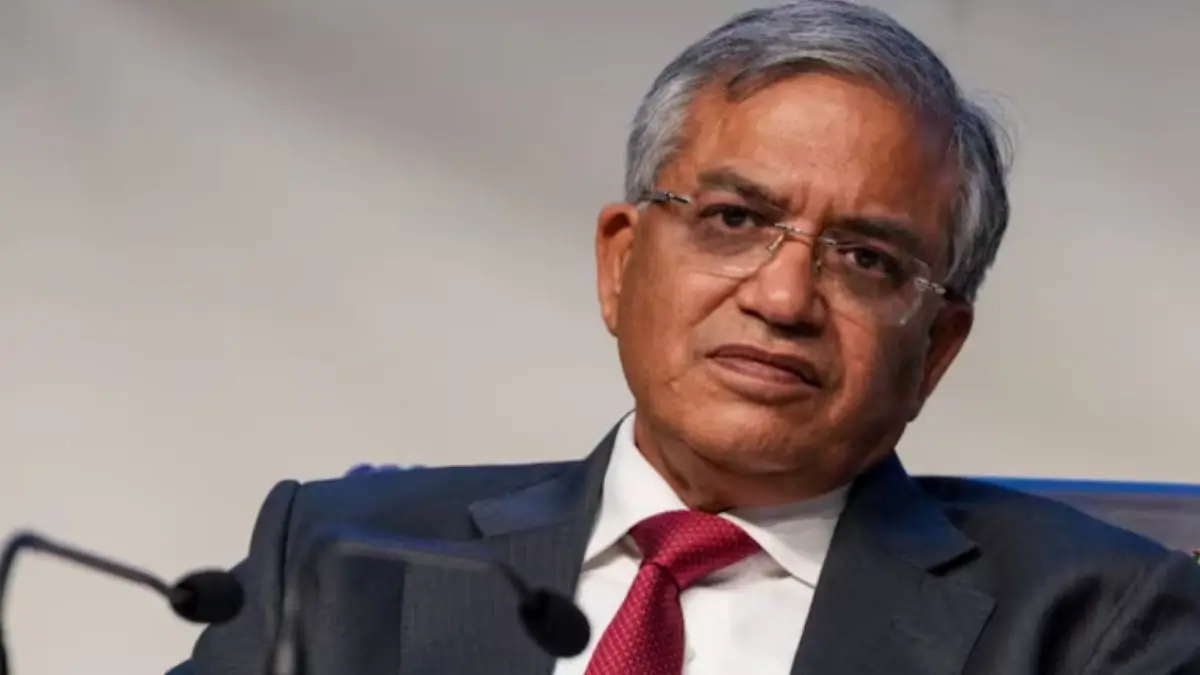
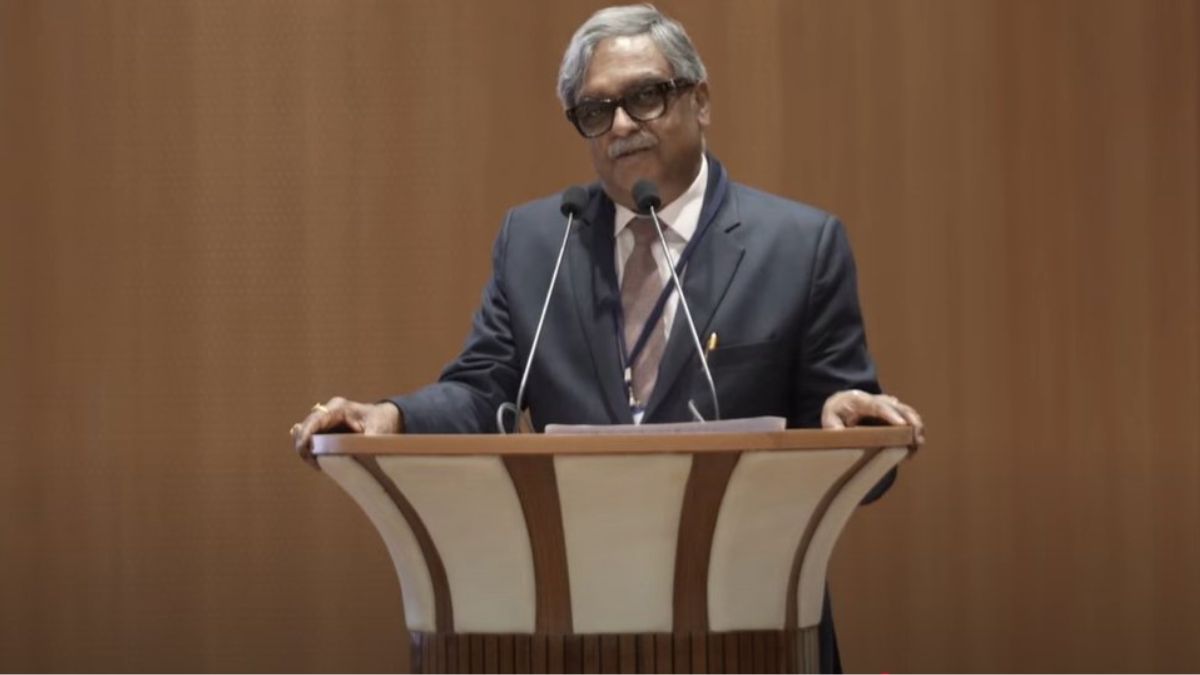
In a significant judicial development, the President of India has nominated Supreme Court judge Justice Vikram Nath as the new Executive Chairman of the National Legal Services Authority (NALSA).
The formal notification, issued by the Ministry of Law and Justice on 19 November 2025 under the Legal Services Authorities Act, 1987, declares that Justice Nath’s appointment will take effect from 24 November 2025.
As per established convention, the post of NALSA Executive Chairman is held by the second senior-most judge of the Supreme Court — the senior-most being the Chief Justice of India. With the elevation of Surya Kant as the 53rd Chief Justice of India, a vacancy arose, which has now been filled by Justice Nath.
In his new role, Justice Nath will oversee NALSA’s nationwide legal aid efforts, guiding its mandate to provide free and competent legal services, especially to marginalized and economically weaker sections of society.
Background of Justice Vikram Nath
- Legal Career & Elevation: Justice Vikram Nath was enrolled with the Bar Council of Uttar Pradesh on 30 March 1987.
- He became Additional Judge of the Allahabad High Court on 24 September 2004 and assumed permanent judgeship on 27 February 2006.
- Later, he was appointed as the Chief Justice of the Gujarat High Court on 10 September 2019.
- He was elevated to the Supreme Court of India (SC) on 31 August 2021, and his retirement date is listed as 23 September 2027.
- Notably, during his tenure as Chief Justice of Gujarat High Court, he became the first Chief Justice in India to live stream High Court proceedings on a YouTube channel — a step towards transparency in judicial workings.
This extensive judicial experience, combined with his track record, underscores why he is considered well-suited to head NALSA at this crucial juncture.
What is NALSA and Its Role
The National Legal Services Authority (NALSA) was constituted under the Legal Services Authorities Act, 1987. Its mandate is to ensure that “every citizen has access to justice” — particularly focusing on providing free legal services to marginalized, economically weaker and socially disadvantaged sections of society. This includes organizing Lok Adalats (mediation courts), legal aid camps, and other legal assistance programs across India.
Under the new arrangement:
- The Supreme Court Legal Services Committee (SCLSC) will be chaired by Justice Jitendra Kumar Maheshwari, another Supreme Court judge.
- Meanwhile, Justice Vikram Nath — in his capacity as Executive Chairman — will steer NALSA’s policies, outreach efforts, and legal aid programmes nationwide.
This leadership transition comes at a time when access to justice and strengthening legal aid mechanisms remain critical to uphold constitutional principles such as equality before law and ensuring justice for all.

Why This News Matters
Relevance to Governance and Judiciary Awareness
Understanding the appointment of Justice Vikram Nath as the head of NALSA is important for aspirants preparing for exams like judiciary, civil services (e.g. IAS, PCS), law-related posts, or even SSC/State exams that test governance and constitutional knowledge. Leadership changes in institutions like NALSA often reflect shifts in legal-aid priorities and judicial administration, topics relevant for both prelims and mains.
Significance for Rights, Access to Justice & Constitutional Provisions
NALSA’s mandate is rooted in constitutional values, particularly under Directive Principles — ensuring that no citizen is denied justice due to financial or social constraints. The appointment of an experienced judge to head such an institution signals renewed focus on legal accessibility and social justice — themes often explored in current affairs and general studies sections.
Implications for Legal Aid and Social Justice Initiatives
With his broad judicial background — from High Courts to SC — Justice Vikram Nath may influence reforms toward greater transparency (as seen in his previous live-streaming initiative) and more robust legal-aid delivery. For aspirants, this underscores evolving dynamics of justice delivery in India — a relevant dimension in law & order, governance, and public policy topics.
Historical Context: NALSA, Its Origins and Significance
The idea of providing free legal aid to the underprivileged in India gained ground early after Independence. The Legislative foundation was laid by the Legal Services Authorities Act, 1987 — envisaging nationwide network of legal services institutions to ensure access to justice.
Under this framework, NALSA was constituted as the apex body, with State and District Legal Services Authorities under it, conducting Lok Adalats, legal aid camps, mediation, and other services.
Over the decades, NALSA has played a critical role in decongesting court backlog via Lok Adalats, offering legal representation to marginalized sections, and upholding the principle enshrined in Article 39A of the Constitution of India, which obligates the State to secure justice on the basis of equal opportunity, including free legal aid.
The appointment of Supreme Court judges to head NALSA, following seniority conventions, has been the norm — ensuring that leadership is in the hands of jurists familiar with systemic challenges of courts and legal aid. This continuity underscores NALSA’s institutional importance.
With Justice Vikram Nath now at the helm, the body enters a new phase — potentially marked by a renewed push for efficient justice delivery, outreach to the underprivileged, and reforms aimed at strengthening legal aid mechanisms across states.
Key Takeaways from This News — Justice Vikram Nath’s Appointment as NALSA Executive Chairman
| S. No. | Key Takeaway |
|---|---|
| 1 | Justice Vikram Nath has been appointed Executive Chairman of NALSA, effective 24 November 2025. |
| 2 | The appointment follows convention: the second senior-most Supreme Court judge assumes this role after the Chief Justice of India. |
| 3 | NALSA was constituted under the Legal Services Authorities Act, 1987, to provide free legal aid and organize Lok Adalats for weaker and marginalized sections. |
| 4 | As head of NALSA, Justice Nath will guide nationwide legal-aid initiatives and efforts to ensure accessible justice irrespective of financial or social status |
| 5 | The leadership change comes under broader judicial administration dynamics — relevant for constitutional governance, legal reforms, and access to justice themes in competitive exams. |
FAQs: Frequently Asked Questions
1. Who has been appointed as the Executive Chairman of NALSA in 2025?
Answer: Justice Vikram Nath, a Supreme Court judge, has been appointed as the Executive Chairman of the National Legal Services Authority (NALSA) effective 24 November 2025.
2. What is the role of the Executive Chairman of NALSA?
Answer: The Executive Chairman of NALSA oversees legal aid programs, ensures access to justice for marginalized and weaker sections of society, and guides nationwide initiatives like Lok Adalats and legal aid camps.
3. Under which act was NALSA constituted?
Answer: NALSA was constituted under the Legal Services Authorities Act, 1987, to provide free legal services and promote legal awareness in India.
4. Who chairs the Supreme Court Legal Services Committee (SCLSC)?
Answer: Justice Jitendra Kumar Maheshwari, another Supreme Court judge, has been appointed to chair the Supreme Court Legal Services Committee (SCLSC).
5. Why is Justice Vikram Nath considered suitable for this role?
Answer: Justice Vikram Nath has extensive judicial experience — from Allahabad High Court to Gujarat High Court (as Chief Justice) and now Supreme Court — and has introduced initiatives like live-streaming court proceedings, reflecting transparency and efficiency in justice delivery.
6. When was Justice Vikram Nath elevated to the Supreme Court?
Answer: He was elevated to the Supreme Court of India on 31 August 2021.
7. How does NALSA help in reducing court backlog?
Answer: NALSA organizes Lok Adalats, legal aid camps, and mediation services, which settle disputes outside conventional courts, reducing case backlogs.
8. Which article of the Indian Constitution supports NALSA’s mandate?
Answer: Article 39A of the Constitution of India directs the State to provide free legal aid to ensure justice for all citizens, especially the underprivileged.
9. What is the significance of this appointment for government exams?
Answer: Knowledge of key judicial appointments, legal aid structures, and constitutional provisions is crucial for civil services, judiciary, and law-related exam preparations.
10. What are Lok Adalats?
Answer: Lok Adalats are forums organized by NALSA to amicably resolve disputes through mediation and conciliation outside the traditional court system.
Some Important Current Affairs Links