






Darbar Move Jammu and Kashmir 2025 restored after four years, reviving the 150-year-old biannual capital shift tradition. Key administrative, historical, and cultural details explained.
.Jammu and Kashmir Revives 150-Year-Old Darbar Move Tradition After Four Years
Introduction to the Darbar Move
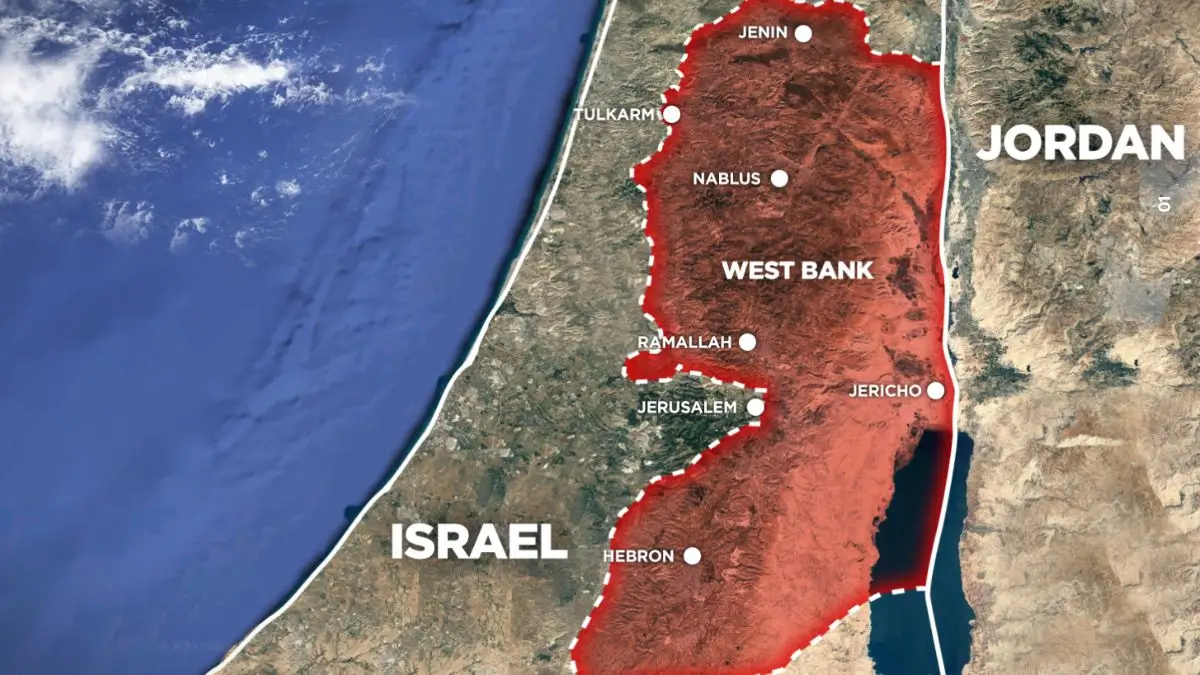
The Darbar Move is a historic administrative practice in Jammu and Kashmir, established in 1872 by Maharaja Ranbir Singh. This tradition involved the biannual relocation of the state capital between Srinagar and Jammu, ensuring that governance was accessible to both regions during different seasons. The practice was discontinued in 2021 by the Lieutenant Governor’s administration, citing cost-saving measures and the transition to digital governance.
Restoration of the Tradition
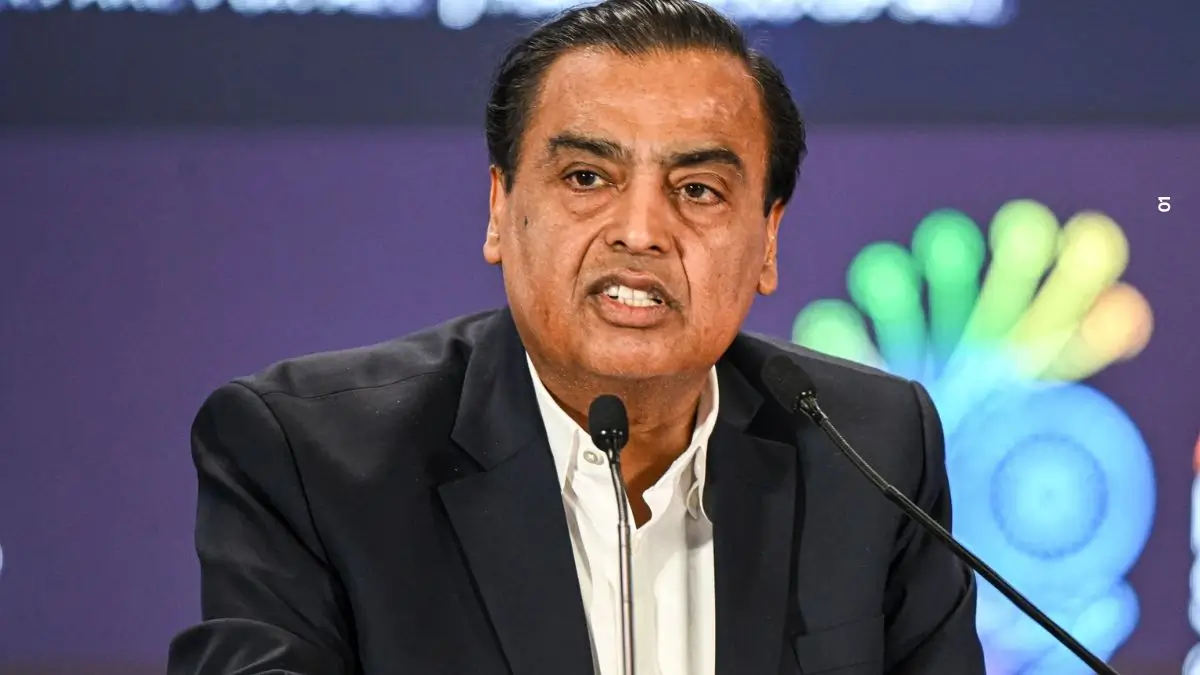
On October 16, 2025, Chief Minister Omar Abdullah announced the revival of the Darbar Move, marking the first anniversary of his National Conference (NC) government’s return to power. The decision was formalized through Government Order No. 1357-JK(GAD) of 2025, issued by the General Administration Department. This order directed all government offices to relocate to Jammu for the Winter Session 2025–26, with offices observing a five-day week closing in Srinagar on October 31, 2025, and reopening in Jammu on November 3, 2025.
Administrative Preparations
In anticipation of the move, extensive preparations were undertaken. Civic bodies in Jammu initiated beautification projects, including road repairs and office renovations, to accommodate the influx of government employees and ensure smooth operations. Additionally, logistical arrangements were made, such as transportation by Jammu and Kashmir Road Transport Corporation (JKRTC), police escorts for convoys, and provision of government accommodation for employees in Jammu.
Public Reception
The revival of the Darbar Move has been met with a positive response from various sections of society, particularly the business community in Jammu. Traders and local residents view the restoration as a significant step towards restoring the region’s cultural heritage and administrative unity. Many have welcomed the move, considering it a “Diwali gift,” symbolizing renewed hope and prosperity.
Conclusion
The restoration of the Darbar Move underscores the government’s commitment to preserving the region’s traditions while ensuring effective governance. It reflects a balanced approach to administrative practices, integrating historical customs with modern administrative needs. As Jammu and Kashmir navigates its evolving political landscape, the revival of such traditions plays a crucial role in fostering unity and continuity.

Why This News is Important
Significance for Administrative Practices
The revival of the Darbar Move signifies a return to traditional administrative practices that have been integral to Jammu and Kashmir’s governance for over a century. This move reflects a commitment to maintaining regional balance and ensuring that both Srinagar and Jammu receive equal attention in terms of governance and development.
Implications for Regional Unity
By reinstating the Darbar Move, the government aims to strengthen the connection between the two regions, fostering a sense of unity and shared identity. This decision is particularly pertinent in the context of recent political changes, as it emphasizes inclusivity and equal representation for both regions.
Economic Considerations
The restoration of the Darbar Move is expected to have economic implications, particularly for the local economies of both Srinagar and Jammu. The movement of government employees and associated activities can stimulate local businesses and services, contributing to economic growth in both regions.
Cultural Preservation
The Darbar Move is not just an administrative practice but also a cultural tradition that reflects the region’s history and heritage. Its revival underscores the government’s dedication to preserving cultural practices that are vital to the region’s identity.
Political Symbolism
Politically, the restoration of the Darbar Move serves as a statement of the government’s intent to honor its commitments and address public sentiments. It also signals a move towards restoring certain aspects of autonomy and self-governance, which have been subjects of discussion in recent years.
Historical Context
Origins of the Darbar Move
The Darbar Move was initiated by Maharaja Ranbir Singh in 1872 as a strategic and climatic measure. During harsh winters, Srinagar’s accessibility was limited due to heavy snowfall, making it challenging for administrative functions to continue effectively. To mitigate this, the capital was shifted to Jammu, where the climate was more conducive to year-round governance.
Continuation and Evolution
Over the decades, the Darbar Move became a deeply entrenched tradition in Jammu and Kashmir’s administrative calendar. It involved the physical relocation of government records, staff, and equipment between the two capitals, a process that was both labor-intensive and symbolic of the state’s commitment to serving both regions equally.
Discontinuation in 2021
In 2021, the Lieutenant Governor’s administration decided to discontinue the Darbar Move, citing the financial burden and logistical challenges associated with the practice. The move was also aligned with the broader administrative reforms following the abrogation of Article 370 in 2019.
Revival in 2025
The decision to revive the Darbar Move in 2025 by Chief Minister Omar Abdullah marks a significant reversal of the 2021 policy. This action reflects a renewed emphasis on traditional practices and regional balance in governance. It also aligns with the National Conference’s electoral promises and addresses public demand for the restoration of the practice.
Key Takeaways from “Jammu and Kashmir Revives 150-Year-Old Darbar Move Tradition After Four Years”
| S.No | Key Takeaway |
|---|---|
| 1 | Restoration of Darbar Move: The 150-year-old tradition of shifting the capital between Srinagar and Jammu has been reinstated after a four-year hiatus. |
| 2 | Government Order Issued: Government Order No. 1357-JK(GAD) of 2025 formalized the revival, directing all government offices to relocate to Jammu for the Winter Session 2025–26. |
| 3 | Administrative Preparations: Extensive preparations, including road repairs, office renovations, and logistical arrangements, were undertaken to facilitate the move. |
| 4 | Public Reception: The revival has been positively received, particularly by the business community in Jammu, who view it as a step towards restoring cultural heritage and administrative unity. |
| 5 | Political Implications: The decision aligns with the National Conference’s electoral promises and addresses public demand for the restoration of the practice, signaling a commitment to traditional governance. |
FAQs: Frequently Asked Questions
1. What is the Darbar Move tradition in Jammu and Kashmir?
The Darbar Move is a 150-year-old administrative practice initiated by Maharaja Ranbir Singh in 1872, where the state capital shifts biannually between Srinagar (summer) and Jammu (winter) to ensure effective governance and accessibility in both regions.
2. When was the Darbar Move discontinued and why?
It was discontinued in 2021 by the Lieutenant Governor’s administration due to financial and logistical challenges, as well as efforts to modernize administration through digital governance.
3. Who announced the restoration of the Darbar Move in 2025?
Chief Minister Omar Abdullah, representing the National Conference (NC) government, announced the revival of the Darbar Move on October 16, 2025.
4. What preparations were made for the Darbar Move 2025–26?
Preparations included road repairs, office renovations, transportation arrangements via JKRTC, police escorts for convoys, and provision of government accommodations for employees relocating to Jammu.
5. Why is the Darbar Move significant for students preparing for government exams?
It reflects the administrative, historical, and cultural practices of Jammu and Kashmir. Understanding this tradition is important for questions related to Indian administrative systems, governance, and regional history.
6. How does the Darbar Move impact local economies?
The movement of government employees stimulates businesses, markets, hotels, and services in both Jammu and Srinagar, boosting local economic activity during the transition periods.
7. Which government order formalized the 2025 Darbar Move?
Government Order No. 1357-JK(GAD) of 2025 formalized the move, directing all government offices to shift to Jammu for the Winter Session 2025–26.
Some Important Current Affairs Links