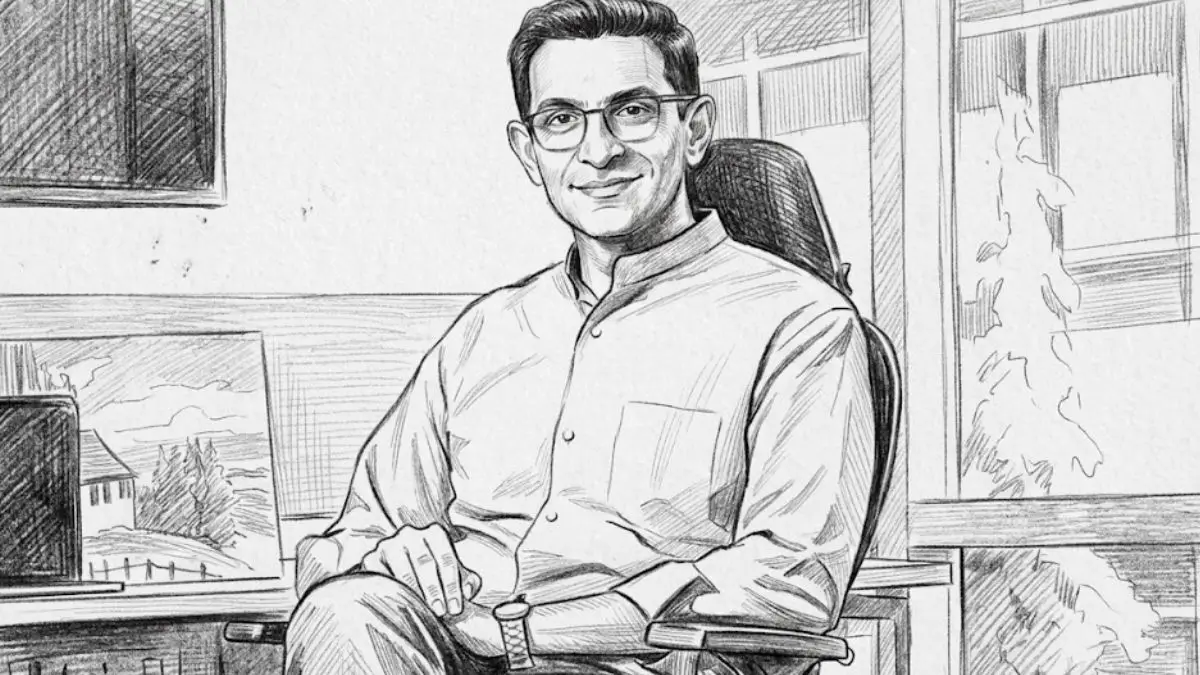










Father of Indian Nuclear Program: Dr. Homi J. Bhabha
Introduction to Dr. Homi J. Bhabha
Dr. Homi Jehangir Bhabha, often referred to as the “Father of the Indian Nuclear Program,” was a visionary scientist who played a pivotal role in shaping India’s nuclear capabilities. His groundbreaking work in nuclear physics laid the foundation for the development of India’s nuclear energy program, making him one of the most revered figures in India’s scientific community. Bhabha’s work not only revolutionized the country’s scientific infrastructure but also positioned India as a significant player on the global nuclear stage.
Dr. Bhabha’s Early Life and Education
Born on October 30, 1909, in Mumbai, Dr. Bhabha had a keen interest in physics from a young age. He pursued his education at the prestigious Elphinstone College in Mumbai, followed by further studies at the University of Cambridge. Here, he earned his degree in engineering and later, a doctorate in nuclear physics. His time at Cambridge exposed him to the leading minds in physics, and it was here that he forged his lifelong passion for nuclear science.
Contribution to the Indian Nuclear Program
Dr. Bhabha’s most notable contribution was his role in establishing the Tata Institute of Fundamental Research (TIFR) in Mumbai in 1945. The institute became the cornerstone of nuclear research in India, facilitating significant advancements in atomic energy. His work led to the establishment of the Atomic Energy Commission of India in 1948, which he chaired. Bhabha’s vision of a self-reliant India led to the country’s first successful nuclear tests and the development of a peaceful nuclear program.
Scientific Achievements and Global Impact
Beyond his contributions to India, Dr. Bhabha’s work had a global impact. His theories and research on cosmic rays and nuclear physics earned him international recognition. He was also instrumental in India’s entry into the global scientific community, advocating for collaboration with other nations in the field of nuclear research.
Legacy and Recognition
Dr. Homi Bhabha passed away in a tragic plane crash in 1966, but his legacy continues to shape India’s nuclear policies and energy programs. His pioneering efforts laid the foundation for India’s nuclear weapons program and civilian nuclear energy sector. He remains a symbol of scientific excellence, innovation, and the quest for self-reliance in the country.

Why this News is Important
Impact on India’s Scientific Development
Dr. Homi Bhabha’s contributions to India’s nuclear program have had an everlasting impact on the country’s scientific landscape. His work formed the bedrock of India’s atomic research, enabling the country to develop its indigenous nuclear capabilities, which are crucial for both energy production and national security. As India faces challenges like energy demands and regional security, Dr. Bhabha’s vision of nuclear self-sufficiency remains highly relevant today.
Strategic and Security Implications
Bhabha’s leadership in establishing India’s nuclear weapons program has made the country a significant player in global geopolitics. India’s nuclear weapons capability is a key factor in the country’s strategic defense posture, deterring external threats. Understanding Dr. Bhabha’s role is crucial for students preparing for civil services exams, particularly for those pursuing the Indian Foreign Service or National Security Studies.
Inspiration for Future Generations
Dr. Bhabha’s story is a testament to the power of vision and innovation. His dedication to self-reliance and scientific progress has inspired generations of Indian scientists. Students preparing for government exams can learn from his leadership and commitment to advancing science in India. His work not only contributed to technological advancements but also fostered a culture of scientific research and development in the country.
Historical Context
Pre-Independence Scientific Landscape
Before India gained independence in 1947, the country’s scientific community was not as developed as in many Western countries. With limited infrastructure and resources, India’s research and development efforts were scattered. Dr. Bhabha’s establishment of the Tata Institute of Fundamental Research in 1945 marked a significant shift toward organized scientific research. He played a crucial role in advancing India’s knowledge in nuclear physics, a field that was pivotal to the country’s post-independence growth.
Post-Independence Nuclear Vision
Following India’s independence, Dr. Bhabha’s efforts became even more crucial. In 1948, he chaired the Atomic Energy Commission, which laid the foundation for India’s civilian nuclear program. His foresight and expertise in nuclear energy were pivotal in ensuring that India could harness atomic energy for peaceful purposes, long before nuclear weapons became a national priority.
Bhabha and India’s Nuclear Test Legacy
Bhabha’s death in 1966 did not halt the momentum of India’s nuclear program. His successors, such as Dr. Raja Ramanna and Dr. Vikram Sarabhai, continued his work, leading to India’s first successful nuclear test in 1974 under Prime Minister Indira Gandhi. Dr. Bhabha’s pioneering spirit and leadership were instrumental in making India a nuclear power.
Key Takeaways from “Father of Indian Nuclear Program”
| Serial No. | Key Takeaway |
|---|---|
| 1 | Dr. Homi J. Bhabha is known as the “Father of the Indian Nuclear Program” due to his visionary leadership and contributions to India’s nuclear capabilities. |
| 2 | He established the Tata Institute of Fundamental Research (TIFR) in 1945, which became the cornerstone of India’s nuclear research efforts. |
| 3 | Dr. Bhabha chaired the Atomic Energy Commission of India in 1948, laying the foundation for the country’s nuclear energy sector. |
| 4 | His work on cosmic rays and nuclear physics earned him global recognition, making India a key player in the field of atomic science. |
| 5 | Dr. Bhabha’s legacy continues to influence India’s nuclear policy and energy programs, and his vision of self-reliance remains a guiding principle. |
Important FAQs for Students from this News
Who is known as the father of the Indian nuclear program?
- Dr. Homi Jehangir Bhabha is known as the “Father of the Indian Nuclear Program” for his pivotal role in establishing India’s nuclear capabilities.
What was Dr. Homi Bhabha’s significant contribution to India’s scientific development?
- Dr. Bhabha established the Tata Institute of Fundamental Research (TIFR) in 1945 and chaired the Atomic Energy Commission in 1948, laying the foundation for India’s nuclear energy and weapons programs.
What was Dr. Bhabha’s role in India’s nuclear tests?
- Although Dr. Bhabha passed away in 1966, his vision and leadership were instrumental in India’s nuclear development, leading to the country’s first successful nuclear test in 1974.
What were Dr. Homi Bhabha’s academic achievements?
- Dr. Bhabha earned his degree in engineering from Cambridge University and later a doctorate in nuclear physics, making significant contributions to the global scientific community in nuclear physics and cosmic rays.
Why is Dr. Homi Bhabha considered a global icon in nuclear physics?
- Dr. Bhabha’s research on cosmic rays and nuclear physics earned him international recognition, establishing him as one of the leading scientists in the field.
Some Important Current Affairs Links