







India withdraws COP33 Summit 2028 bid—know reasons, global impact, UNFCCC details, and exam relevance for UPSC, SSC, Banking and PCS preparation.
India Withdraws Plan to Host COP33 Climate Summit in 2028
Introduction to India’s COP33 Withdrawal Decision
India has officially withdrawn its proposal to host the 33rd Conference of the Parties (COP33) under the United Nations climate framework, which was scheduled for 2028. The decision was communicated to the Asia-Pacific group of the United Nations Framework Convention on Climate Change (UNFCCC) after an internal review of national commitments.
This development marks a significant shift in India’s climate diplomacy strategy, as the country had earlier expressed strong interest in hosting the global summit.
Background of India’s Proposal to Host COP33
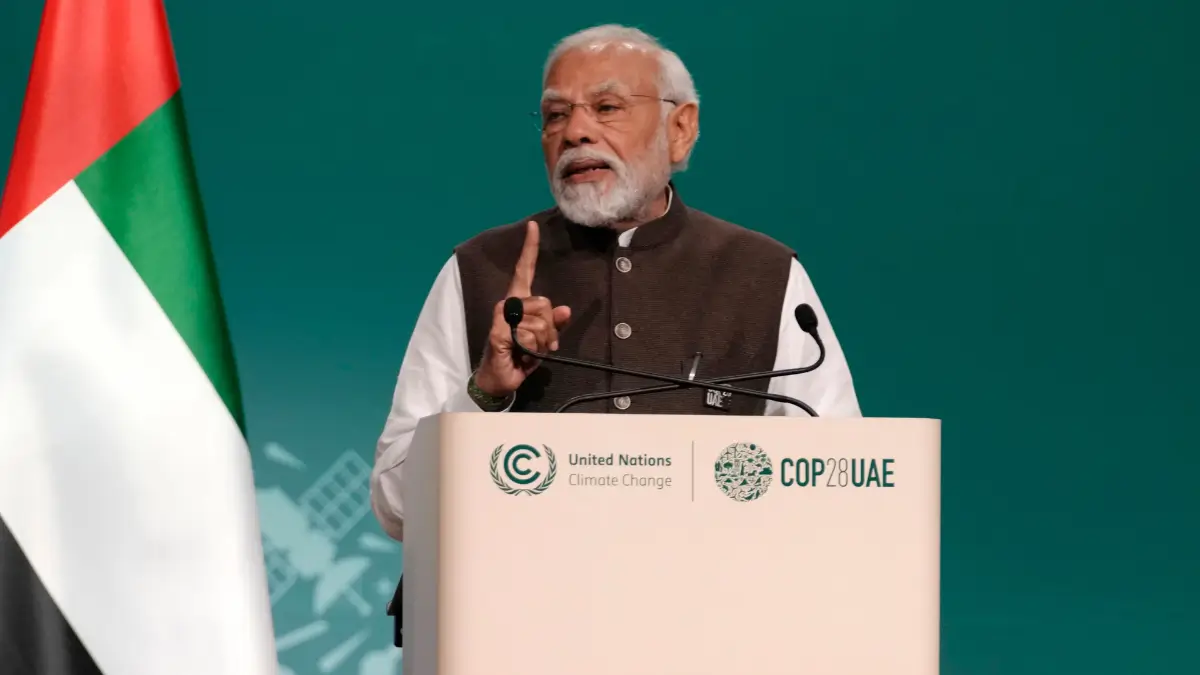
The proposal to host COP33 was first announced by Prime Minister Narendra Modi during the COP28 summit held in Dubai in 2023. India aimed to position itself as a leading voice of the Global South in climate negotiations.
Preparations had already begun, including the formation of a high-level committee to oversee logistical arrangements and international coordination.
Reasons Behind the Withdrawal
Although no detailed official explanation has been released, the government cited a “review of commitments for the year 2028” as the primary reason for stepping back.
Experts and reports suggest several possible factors:
- Competing domestic priorities and large-scale infrastructure projects
- Potential pressure to enhance climate commitments
- Allocation of resources for other major international events
- Strategic diplomatic and policy recalibration
Impact on Global Climate Negotiations
India’s withdrawal creates uncertainty regarding the host of COP33. As per the rotational system of UN climate conferences, the Asia-Pacific region is responsible for hosting the 2028 summit. With India stepping back, South Korea is currently considered a potential host.
The decision may also reduce India’s immediate visibility in global climate leadership platforms, though it remains an active participant in climate negotiations.
India’s Continued Role in Climate Action
Despite withdrawing from hosting responsibilities, India continues to play a key role in global climate efforts. The country has set ambitious targets under its Nationally Determined Contributions (NDCs), including:
- Increasing non-fossil fuel energy capacity
- Reducing emissions intensity
- Expanding carbon sinks
India remains committed to sustainable development and climate resilience initiatives at both national and international levels.

Why This News is Important
Relevance for Competitive Exams
This development is crucial for students preparing for exams like UPSC, SSC, Banking, Railways, and State PCS because it relates to international organizations, environmental governance, and India’s foreign policy. Understanding global climate summits like COP helps in answering questions related to international relations and environmental studies.
India’s Position in Global Climate Leadership
India’s withdrawal highlights the challenges countries face in balancing domestic priorities with global leadership roles. Hosting COP summits provides nations with an opportunity to influence global climate policies, especially for developing countries.
Implications for Climate Diplomacy
The decision reflects a strategic shift in India’s diplomatic approach. While India continues to advocate for climate justice and equity, stepping back from hosting may limit its ability to directly shape global negotiations in the short term.
Exam-Oriented Significance
Questions may be asked about:
- UNFCCC and COP structure
- India’s climate commitments
- Global climate governance mechanisms
Thus, this topic is highly relevant for both prelims and mains examinations.
Historical Context: UNFCCC and COP Summits
Origin of UNFCCC
The United Nations Framework Convention on Climate Change (UNFCCC) was established in 1992 during the Rio Earth Summit. Its primary aim is to stabilize greenhouse gas concentrations and prevent dangerous human interference with the climate system.
What is COP?
The Conference of the Parties (COP) is the supreme decision-making body of the UNFCCC. It meets annually to assess progress and negotiate global climate agreements.
India’s Past Role
India last hosted a COP summit in 2002 (COP8). Over the years, it has been a strong advocate of the principle of “Common But Differentiated Responsibilities (CBDR),” emphasizing that developed countries should take greater responsibility for climate action.
Recent Developments in COP Hosting
- COP31 (2026): Australia and Turkey
- COP32 (2027): Ethiopia
- COP33 (2028): To be decided (after India’s withdrawal)
Key Takeaways from This News
| S.No. | Key Takeaway |
|---|---|
| 1 | India has withdrawn its bid to host COP33 in 2028 after reviewing its commitments. |
| 2 | The proposal to host COP33 was announced during COP28 in 2023 by PM Narendra Modi. |
| 3 | No official detailed reason has been given, but strategic and resource factors are suspected. |
| 4 | The Asia-Pacific region will host COP33, with South Korea emerging as a potential candidate. |
| 5 | India remains committed to global climate action despite stepping back from hosting duties. |
FAQs (Frequently Asked Questions)
1. What is COP33?
COP33 refers to the 33rd Conference of the Parties under the United Nations Framework Convention on Climate Change (UNFCCC), where global leaders meet to discuss climate action and policies.
2. Why did India withdraw from hosting COP33?
India withdrew its bid after reviewing its commitments for 2028. Though no detailed official reason was given, strategic, financial, and policy considerations are believed to be factors.
3. Which country may host COP33 now?
After India’s withdrawal, countries like South Korea are being considered as potential hosts from the Asia-Pacific region.
4. What is the significance of COP summits?
COP summits are crucial for negotiating global agreements on climate change, such as emission reductions, climate finance, and sustainability goals.
5. When did India last host a COP summit?
India last hosted a COP summit in 2002 (COP8) in New Delhi.
6. What is UNFCCC?
The United Nations Framework Convention on Climate Change (UNFCCC) is an international treaty established in 1992 to combat climate change.
7. What are NDCs in climate policy?
Nationally Determined Contributions (NDCs) are climate action plans submitted by countries outlining their targets for reducing emissions.
8. What is CBDR principle?
Common But Differentiated Responsibilities (CBDR) means that developed countries should take greater responsibility for climate action than developing nations.
9. Which exams can include this topic?
This topic is important for UPSC, State PCS, SSC, Banking, Railways, Defence, and Teaching exams.
10. Why is India’s withdrawal important for exams?
It reflects India’s climate diplomacy, global commitments, and international relations—key areas in competitive exams.
Some Important Current Affairs Links