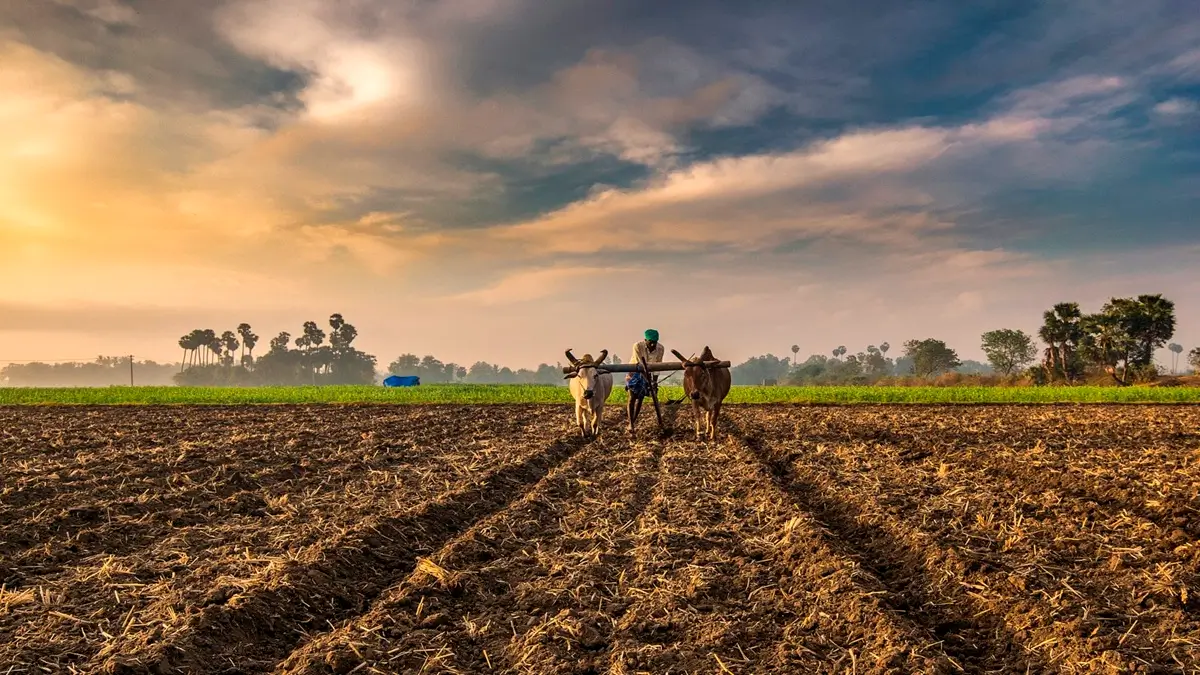






India WFP partnership global hunger: India has joined hands with the United Nations World Food Programme to strengthen international cooperation in food security and achieve Zero Hunger by 2030.
India and WFP Partner to Tackle Global Hunger Challenges
India has formally joined hands with the United Nations World Food Programme (WFP) to strengthen international cooperation against global hunger. This collaboration is significant as it brings India’s agricultural and food security expertise into the global arena, especially at a time when food insecurity is rising due to conflicts, climate change, and economic disruptions.
Details of the Partnership
The partnership aims to promote food and nutrition security worldwide by utilizing India’s successful models in food distribution, storage, and management. India, being one of the world’s largest food grain producers, has consistently demonstrated the ability to manage large-scale food security schemes like the Public Distribution System (PDS) and the National Food Security Act (NFSA). Through this tie-up, India will share technical expertise, innovative practices, and best governance models with the WFP for adoption in other countries.
Role of India in Global Food Security
India’s contribution is not only limited to policy knowledge but also includes logistical and humanitarian support. In the past, India has provided food aid to several developing nations and extended support during humanitarian crises. By formalizing its partnership with WFP, India positions itself as a global leader in ensuring the Sustainable Development Goal (SDG) of Zero Hunger by 2030.
Expected Outcomes of the Collaboration
The collaboration is expected to enhance the WFP’s capacity to respond to hunger emergencies while also creating long-term strategies for sustainable food security. It will also allow India to showcase its food management innovations like digital ration cards, Aadhaar-linked subsidies, and fortified food distribution methods. Additionally, this partnership will deepen India’s diplomatic outreach through development cooperation.
Why This News is Important
Relevance for Exam Aspirants
For aspirants preparing for UPSC, State PSC, SSC, Banking, Defence, and Teaching exams, this development reflects the intersection of international relations, economics, and social welfare. Questions may arise under topics like international organizations, food security policies, and India’s role in global governance.
Impact on India’s Global Image
This partnership highlights India’s transition from a food-deficient nation in the past to a food-surplus nation capable of extending assistance globally. It reflects the nation’s growing soft power and its role in international humanitarian initiatives. For civil service aspirants, understanding this evolution is crucial for essays, interviews, and general studies papers.
Historical Context
The United Nations World Food Programme, established in 1961, is the world’s largest humanitarian organization addressing hunger. India has historically been both a beneficiary and a contributor to global food initiatives. During the Green Revolution of the 1960s, India overcame severe food shortages with international support, particularly from the U.S. under the PL-480 program. Today, India has transformed into a major food grain producer and exporter. Over the years, India has collaborated with WFP on projects focusing on nutrition, supply chain improvements, and school feeding programs. This new agreement builds upon that history by moving India from a recipient role to a leading contributor in global food security.
Key Takeaways from India-WFP Partnership
| Sl. No. | Key Takeaway |
|---|---|
| 1 | India and the UN World Food Programme have partnered to combat global hunger. |
| 2 | The collaboration will share India’s expertise in food distribution and security with other nations. |
| 3 | It aims to strengthen the WFP’s capacity to address both immediate hunger crises and long-term strategies. |
| 4 | India’s role aligns with the Sustainable Development Goal of achieving Zero Hunger by 2030. |
| 5 | This partnership enhances India’s global image as a leader in humanitarian assistance and food security. |
Frequently Asked Questions (FAQs)
Q1. What is the United Nations World Food Programme (WFP)?
The WFP is the world’s largest humanitarian organization focused on addressing hunger and food security, established in 1961 and awarded the Nobel Peace Prize in 2020.
Q2. Why is India’s partnership with WFP important?
India is a major food grain producer with successful models like the Public Distribution System (PDS). Its collaboration with WFP helps transfer this expertise globally to fight hunger.
Q3. How does this partnership connect to the Sustainable Development Goals (SDGs)?
The partnership directly supports SDG 2, which is “Zero Hunger by 2030.”
Q4. Has India worked with WFP before?
Yes. India and WFP have collaborated on nutrition programs, school feeding schemes, and improving supply chain management in the past.
Q5. What is the Public Distribution System (PDS)?
It is India’s food security scheme that distributes subsidized grains to eligible households, ensuring food availability for vulnerable populations.
Q6. How does this agreement affect India’s international image?
It enhances India’s role as a humanitarian leader, transitioning from a food-deficient country in the 1960s to a global food security contributor.
Q7. How can exam aspirants use this news in preparation?
This news can be linked to international relations, India’s economic development, social welfare schemes, and global governance for descriptive answers, essays, and interview discussions.
Q8. What technology-driven initiatives will India share with WFP?
India will share digital ration card systems, Aadhaar-linked subsidies, and fortified food distribution methods.
Q9. Which exams may include questions on this development?
UPSC, State PSC, SSC, Banking, Defence, Railways, and Teaching exams may include direct or indirect questions.
Q10. Which historical event shaped India’s transformation in food security?
The Green Revolution of the 1960s enabled India to move from dependency on food aid to becoming a self-sufficient and surplus producer.
Some Important Current Affairs Links