






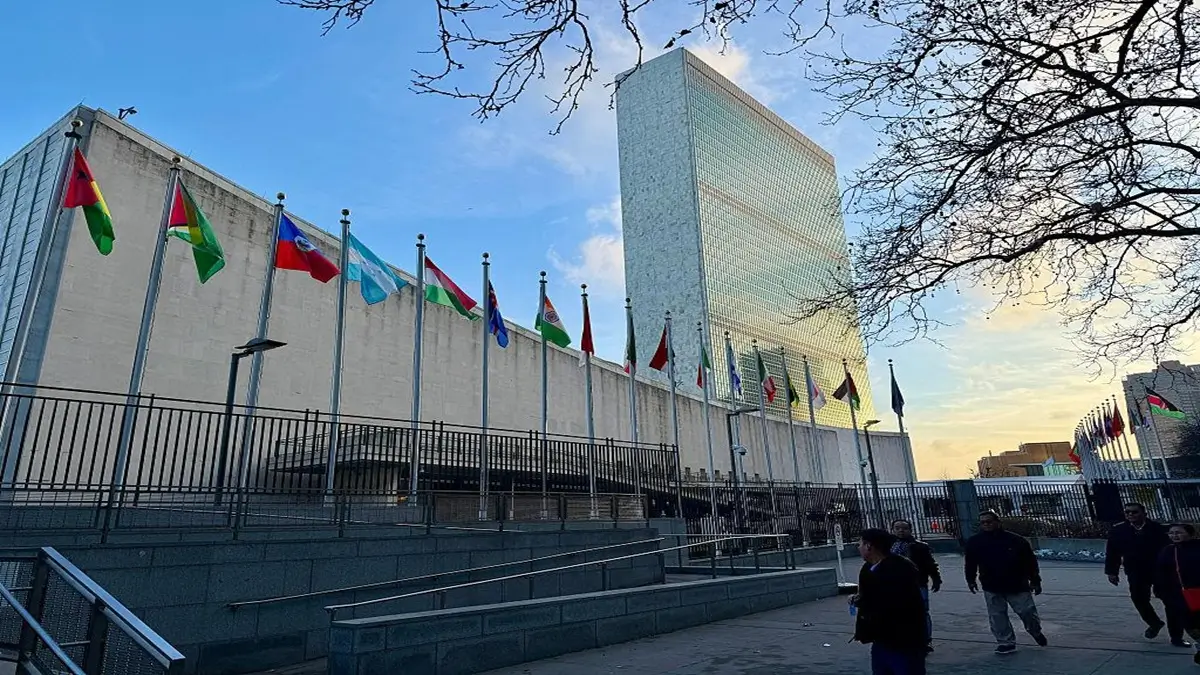
India UN budget contribution 2026 highlights India paying $35.18 million and joining the UN Honour Roll. Learn key facts, exam insights, MCQs, and important takeaways.
India Pays USD 35.18 Million to UN Regular Budget for 2026, Joins Honour Roll
India has paid USD 35.18 million as its assessed contribution to the United Nations Regular Budget for 2026 on 3rd February 2026, securing its place on the UN Honour Roll of prompt payers. This contribution reflects India’s share of the UN’s regular budget — which funds essential UN activities excluding peacekeeping — and showcases its commitment to global cooperation and multilateral diplomacy.
The United Nations Committee on Contributions, responsible for allocating each member’s fiscal portion based on economic strength, has recognised 47 Member States, including India, that paid their contributions in full and within the stipulated 30-day deadline. The Honour Roll is a symbol of financial responsibility and adherence to UN regulations, demonstrating India’s proactive engagement with international institutions.
At the daily UN press briefing, spokesperson Stéphane Dujarric highlighted India’s timely payment and used a quiz-style reference about a famous Indian monument — the Statue of Unity — to underscore the country’s presence on the world stage.
India’s assessed contribution to the UN for 2026 amounts to 1.016% of the total regular budget, reaffirming its growing global economic and diplomatic role. By consistently meeting its financial obligations, India continues to strengthen its position as a responsible member in the rules-based world order.
The UN Regular Budget supports core functions such as peace and security, development programmes, human rights activities, and administrative costs. India’s timely payment also becomes strategically significant at a time when the UN faces financial challenges due in part to delayed dues from some major contributors.

Why This News Is Important for Government Exam Aspirants
Strong Diplomatic Message
India’s payment of USD 35.18 million to the UN’s regular budget on time sends a powerful diplomatic message. It highlights India’s commitment to multilateralism, international cooperation, and global governance. This reflects the country’s policy of adhering to international norms and fulfilling global responsibilities — an important aspect of India’s foreign policy priorities that is often tested in exams for UPSC, PCS, and foreign service positions.
Relevance to International Relations and Global Institutions
Understanding the United Nations’ structure and functioning is a core part of the international relations syllabus in competitive exams. The UN’s regular budget finances activities that impact global peace, security, development, and human rights. India’s prompt payment illustrates how member states contribute to and sustain these global initiatives.
Indicator of India’s Growing Global Role
India’s inclusion in the UN Honour Roll demonstrates its status as a rising global power with increasing economic and diplomatic influence. Aspirants preparing for Indian Foreign Service (IFS), civil services, and defence exams need to connect such developments with India’s strategic position on the international stage.
Link to Current Affairs in Economy and Finance
This news links international finances with India’s fiscal responsibilities. Candidates preparing for banking, railways, and other government exams benefit from understanding how global budgets work and how countries meet international financial commitments.
Historical Context: India and the United Nations
India was among the original members of the United Nations when it was founded in 1945. Over the decades, India has played a significant role in the UN system, contributing to peacekeeping missions, participating in developmental programmes, and engaging actively in debates on human rights and global governance. India is also a long-standing advocate for UN reforms, including greater representation for developing countries in key decision-making bodies like the UN Security Council.
Historically, meeting financial obligations has been key for India to maintain credibility within the UN framework. By paying its assessed contributions on time, India reinforces its commitment to the spirit and objectives of the UN Charter. This background helps students understand not just the current event, but also the continuity of India’s multilateral diplomacy over decades.
Key Takeaways from “India Pays UN Budget, Joins Honour Roll”
| S.No. | Key Takeaway |
|---|---|
| 1 | India paid USD 35.18 million to the UN Regular Budget for 2026 on 3rd February 2026. |
| 2 | India joined the UN Honour Roll of Member States that paid dues in full and on time. |
| 3 | India’s contribution represents 1.016% of the total UN regular budget. |
| 4 | The UN Regular Budget funds core activities including peace, development, and human rights programmes. |
| 5 | This underscores India’s commitment to multilateralism and global cooperation |
FAQs: Frequently Asked Questions
1. How much did India pay to the UN Regular Budget for 2026?
India paid USD 35.18 million as its assessed contribution to the United Nations Regular Budget for the year 2026.
2. What is the UN Honour Roll?
The UN Honour Roll is a list of member countries that pay their assessed contributions to the UN budget in full and on time within the specified deadline.
3. What percentage of the UN regular budget is India’s contribution?
India’s assessed share for 2026 is approximately 1.016% of the total UN regular budget.
4. What does the UN Regular Budget fund?
The UN Regular Budget finances core UN activities, including peace and security initiatives, development programmes, human rights work, and administrative expenses.
5. When did India make the payment for the 2026 UN budget?
India made the payment on 3 February 2026.
6. Who determines the assessed contributions of UN member states?
The UN Committee on Contributions determines each country’s share based on economic capacity and other financial indicators.
7. Why is India’s inclusion in the Honour Roll important?
It highlights India’s financial responsibility, commitment to multilateral cooperation, and growing influence in global governance.
8. Is India a founding member of the United Nations?
Yes, India is one of the founding members of the UN since its establishment in 1945.
Some Important Current Affairs Links