








India trade pact Philippines Maldives news: India begins PTA talks with Philippines and FTA negotiations with Maldives to boost exports and global trade presence.
India Begins Trade Pact Talks with Philippines and Maldives: Expanding FTA and PTA Network
Introduction: India Expands Its Global Trade Strategy
India has taken a significant step toward strengthening its global trade footprint by initiating negotiations with the Philippines and the Maldives. The move involves signing the Terms of Reference (ToR), which outlines the framework for future trade agreements. These developments highlight India’s broader strategy to diversify export markets and deepen economic ties with strategic partners.
PTA with Philippines: Focus on Selective Trade Benefits
India has begun discussions for a Preferential Trade Agreement (PTA) with the Philippines. A PTA typically allows reduced tariffs on selected goods, making trade more competitive and affordable between participating nations.
Trade relations between the two countries have shown positive growth trends. India’s exports to the Philippines increased to around $2.16 billion in 2024–25, while imports declined significantly, indicating a favorable trade balance.
FTA with Maldives: Comprehensive Economic Integration
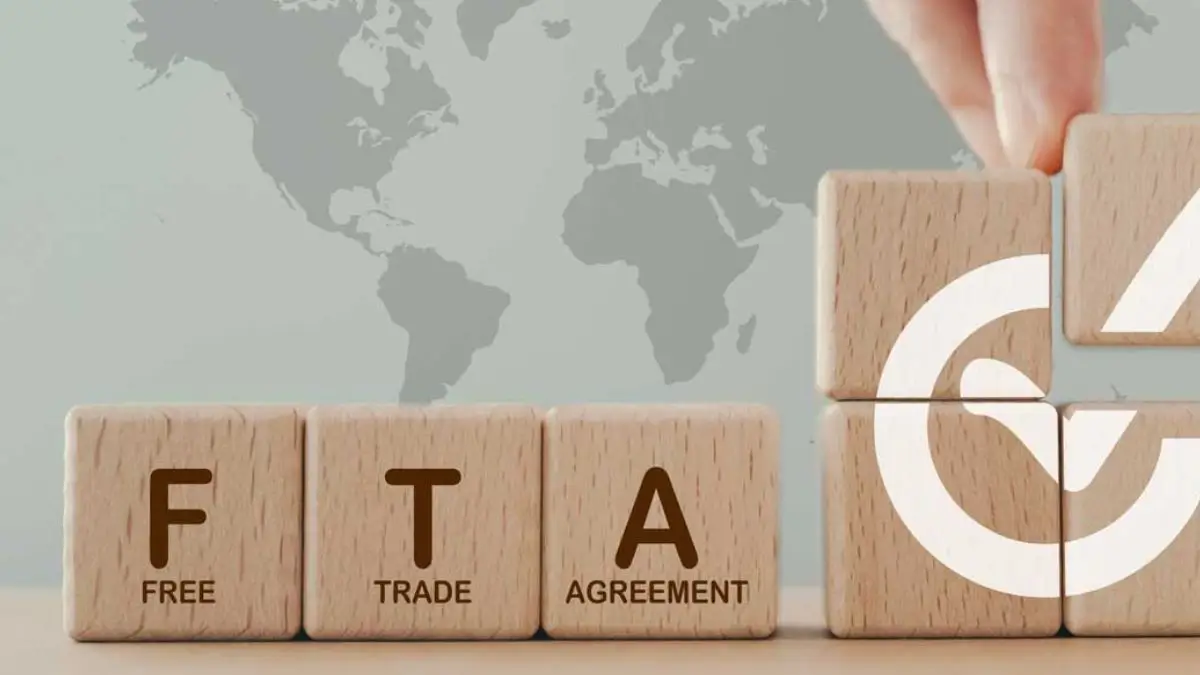
Alongside the PTA with the Philippines, India has initiated talks for a Free Trade Agreement (FTA) with the Maldives. Unlike a PTA, an FTA covers a broader range of goods and services and aims to eliminate tariffs on most traded items.
The proposed FTA is expected to enhance cooperation in services, investments, and regulatory frameworks. It also reflects India’s strategic interest in strengthening ties with its maritime neighbor in the Indian Ocean region.
Strategic Significance of New Trade Talks
These negotiations come at a time when India is actively reviewing existing trade agreements and pursuing new ones globally. The country is exploring agreements with regions such as Europe and other trading blocs to boost exports and reduce trade deficits.
By engaging with both Southeast Asia and the Indian Ocean region, India aims to build resilient supply chains and expand its economic influence.
Conclusion: A Step Towards Trade Diversification
India’s move to initiate trade pact discussions with the Philippines and Maldives reflects a forward-looking economic policy. By balancing selective agreements like PTAs with comprehensive FTAs, India is positioning itself as a key player in global trade while securing better opportunities for domestic industries.

📌 Why This News is Important
Boost to India’s Export Growth
The initiation of new trade negotiations is crucial for enhancing India’s export potential. By reducing tariffs and easing trade barriers, Indian goods can become more competitive in international markets, particularly in Southeast Asia and the Indian Ocean region.
Strengthening Strategic Partnerships
The agreements with the Philippines and Maldives are not just economic but also strategic. Strengthening ties with these nations helps India reinforce its geopolitical presence in key regions, especially amid increasing global competition.
Diversification of Trade Markets
India’s push for new FTAs and PTAs reflects a shift away from dependence on a few major markets. Diversification ensures stability in trade and reduces vulnerability to global economic shocks.
Impact on Domestic Industries
Lower tariffs and better market access will benefit sectors such as manufacturing, pharmaceuticals, textiles, and services. This will also generate employment opportunities and support economic growth.
📜 Historical Context
India’s Evolving Trade Policy
India has gradually shifted from a protectionist trade approach to a more open and strategic model. Over the years, it has signed multiple Free Trade Agreements with countries and regional blocs to boost economic integration.
ASEAN Trade Relations
India already has a Free Trade Agreement with the ASEAN bloc, signed in 2009, which significantly increased trade volumes between India and Southeast Asian nations.
However, concerns over trade imbalances have led India to review existing agreements and negotiate better terms in new deals.
Recent Trade Agreements
In recent years, India has signed or negotiated major trade agreements with partners like the European Union and EFTA countries, signaling its commitment to expanding global trade relations.
📊 Key Takeaways from This News
| S.No | Key Takeaway |
|---|---|
| 1 | India has signed Terms of Reference to begin trade negotiations with the Philippines and Maldives |
| 2 | A Preferential Trade Agreement (PTA) is planned with the Philippines |
| 3 | A Free Trade Agreement (FTA) is being negotiated with the Maldives |
| 4 | These agreements aim to boost exports, reduce tariffs, and strengthen economic ties |
| 5 | The move is part of India’s broader strategy to diversify trade and expand global influence |
FAQs: Frequently Asked Questions
1. What is the main objective of India’s trade talks with the Philippines and Maldives?
The main objective is to enhance bilateral trade, reduce tariffs, and strengthen economic and strategic partnerships with both countries through new trade agreements.
2. What type of agreement is India negotiating with the Philippines?
India is negotiating a Preferential Trade Agreement (PTA) with the Philippines, which focuses on reducing tariffs on selected goods.
3. What type of agreement is India planning with the Maldives?
India is planning a Free Trade Agreement (FTA) with the Maldives, which aims at broader economic integration, including goods, services, and investments.
4. What is the difference between an FTA and a PTA?
An FTA (Free Trade Agreement) covers a wide range of goods and services with minimal or zero tariffs, while a PTA (Preferential Trade Agreement) offers tariff reductions only on selected items.
5. Why is India focusing on new trade agreements recently?
India is aiming to diversify its export markets, reduce dependence on limited trading partners, and strengthen its global economic presence.
6. How will these agreements benefit Indian industries?
These agreements will provide better market access, increase exports, boost manufacturing, and generate employment opportunities in India.
7. Which regions are strategically important in this trade move?
Southeast Asia (Philippines) and the Indian Ocean region (Maldives) are strategically important for India’s economic and geopolitical interests.
8. What is the significance of Terms of Reference (ToR) in trade negotiations?
The Terms of Reference (ToR) define the framework, scope, and structure of negotiations between countries before finalizing a trade agreement.
Some Important Current Affairs Links