







India semiconductor mission projects worth ₹4,600 crore approved for Odisha, Punjab, and Andhra Pradesh under the Union Cabinet’s plan to boost domestic chip production and self-reliance.
Government Cabinet Greenlights ₹4,600 Crore Semiconductor Manufacturing Push in Odisha, Punjab & Andhra Pradesh
Overview of Cabinet Approval
In a pivotal move under the India Semiconductor Mission (ISM), the Union Cabinet—chaired by Prime Minister Narendra Modi—has approved four new semiconductor manufacturing projects worth approximately ₹4,600 crore. This brings the total number of sanctioned semiconductor units to 10 projects, spanning across six states, with a cumulative investment of around ₹1.60 lakh crore
Project Locations & Key Players
- Odisha: Two cutting-edge units in Bhubaneswar’s Info Valley:
- SiCSem Pvt Ltd (with UK’s Clas-SiC Wafer Fab Ltd.) will establish India’s first commercial compound semiconductor (Silicon Carbide / SiC) fab, with annual production capacities of 60,000 wafers and 96 million packaged units. These will serve sectors including defense, EVs, railways, solar inverters, and fast chargers
- 3D Glass Solutions Inc. is setting up an advanced packaging and embedded glass substrate facility, offering 69,600 glass panel substrates, 50 million assembled units, and 13,200 3D Heterogeneous Integration modules annually—servicing AI, high-performance computing, photonics, and defense
- Andhra Pradesh: ASIP Technologies, in collaboration with South Korea’s APACT Co. Ltd, will establish a unit producing 96 million semiconductor units annually for mobile phones, set-top boxes, automotive electronics, and consumer devices
- Punjab: Continental Device India Ltd (CDIL) is expanding its existing Mohali facility, adding high-power discrete semiconductor production—such as MOSFETs, IGBTs, Schottky diodes, and transistors (Silicon & SiC)—with a capacity of around 158 million units annually for EVs, renewable energy, industrial and telecom use
Employment Impact & Strategic Implications
These four new units are projected to generate over 2,000 direct skilled jobs, with a significant number of additional indirect positions expected to follow. Integration into the ISM framework further strengthens India’s Atmanirbhar Bharat vision by reinforcing the semiconductor supply chain across telecom, automotive, consumer electronics, data centers, and industrial systems
Why This News Is Important
Strategic Self-Reliance & Economic Security
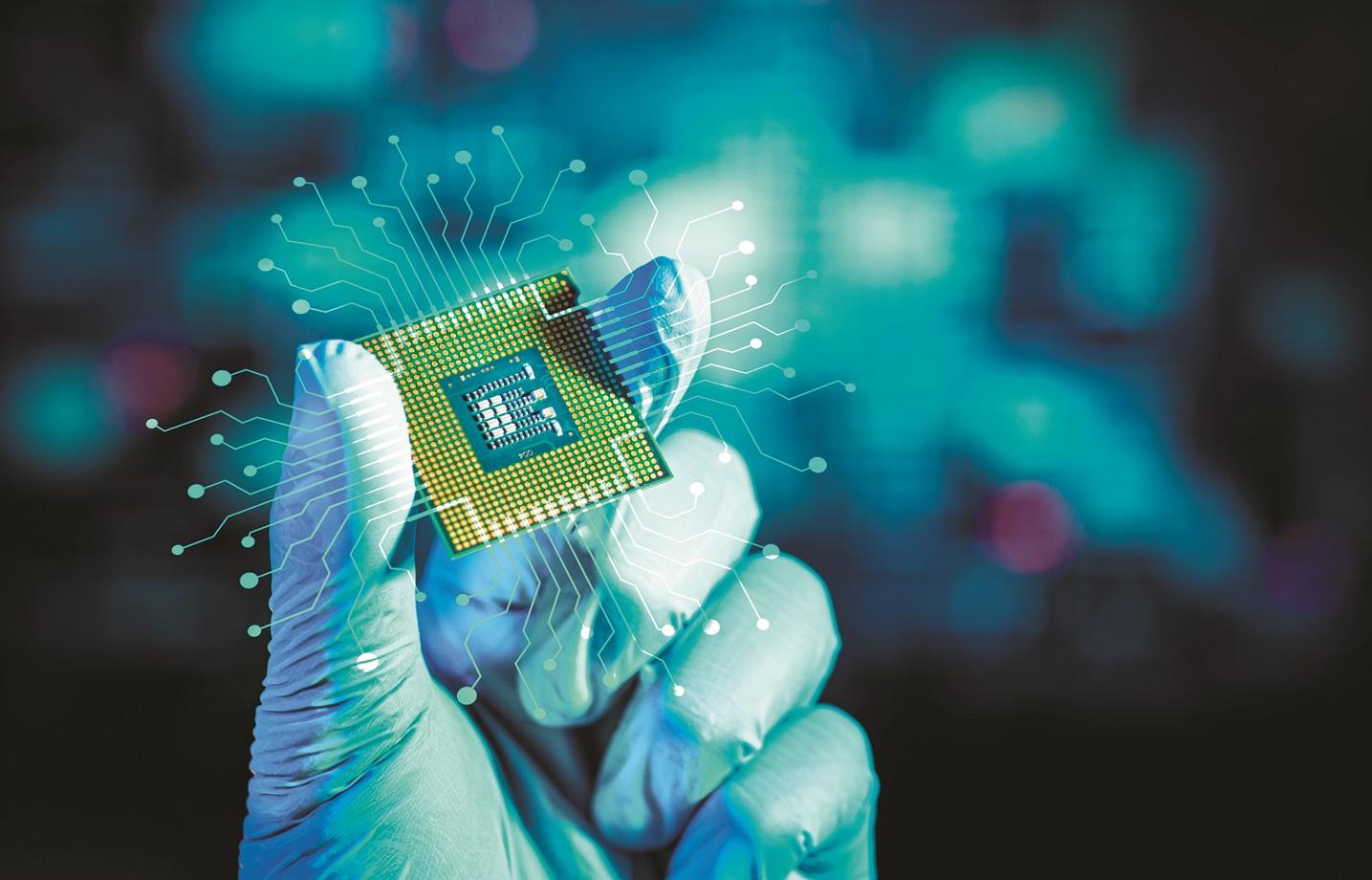
Semiconductors are foundational to nearly all modern technology—from defense systems to everyday electronics. This move marks a substantial leap toward technology sovereignty for India, reducing dependence on foreign chip imports and establishing domestic capabilities in critical tech infrastructure.
Employment & Skill Development
The projects will directly employ over 2,000 skilled professionals, with cascading job opportunities for engineers, technicians, and allied workers—bolstering talent development, especially under existing government-supported initiatives in academia and startups
Regional Growth & Balanced Industrialization
The geographical spread—across Odisha, Andhra Pradesh, and Punjab—not only diversifies industrial growth but also promotes inclusive regional development, attracting global partnerships and investments to typically underdeveloped regions.
Alignment with Global Trends
Amid global disruptions in semiconductor supply chains, this domestic expansion aligns with international strategies to localize chip production. By strengthening vertical integration—from compound fabrication to advanced packaging—India is positioning itself as an emerging global competitor
Historical Context
India Semiconductor Mission (ISM) Evolution
Launched under the government’s vision for an Atmanirbhar Bharat, the ISM has steadily advanced India’s semiconductor capabilities. Prior to this, six projects were already approved, and the recent addition increases the tally to 10 projects, with financial stakes rising to ₹1.60 lakh crore across multiple states
Progressive Manufacturing & Academic Support
These industrial developments are backed by robust design infrastructure support, including in over 278 academic institutions and 72 startups, alongside talent development programs benefiting 60,000+ students
Previous Initiatives and Ongoing Developments
Earlier in May 2025, the government approved a joint venture between HCL and Taiwan’s Foxconn for a semiconductor plant near Jewar, Uttar Pradesh—India’s sixth ISM project—adding further momentum to the strategy of building manufacturing and testing hubs at scale
Key Takeaways from This News
| Ser No | Key Takeaway |
|---|---|
| 1 | Four new semiconductor units are approved—two in Odisha, one in Andhra Pradesh, and one in Punjab—with investment of ₹4,600 crore. |
| 2 | Total semiconductor projects under ISM now number 10, valued at approximately ₹1.60 lakh crore across six states. |
| 3 | Odisha will host India’s first commercial compound semiconductor (SiC) fab and an advanced packaging/glass substrate unit. |
| 4 | Andhra Pradesh’s facility will deliver 96 million semiconductor units annually for mobile and automotive electronics. |
| 5 | Punjab’s expanded Mohali plant will produce 158 million high-power discrete devices annually, bolstering sectors like EV, telecom, and renewable energy. |
FAQs – Frequently Asked Questions
Q1. What is the total approved investment for the newly sanctioned semiconductor projects in India?
The Union Cabinet approved an investment of around ₹4,600 crore for four new semiconductor units in Odisha, Punjab, and Andhra Pradesh.
Q2. Under which government mission are these semiconductor projects being established?
They are part of the India Semiconductor Mission (ISM), which aims to build a strong domestic semiconductor manufacturing ecosystem.
Q3. Which state will host India’s first commercial Silicon Carbide (SiC) semiconductor fab?
Odisha will host the first commercial compound semiconductor (SiC) fabrication facility in Bhubaneswar.
Q4. How many semiconductor projects have been approved under ISM so far?
With the latest approval, a total of 10 projects have been sanctioned under ISM across six states.
Q5. What sectors will benefit from these semiconductor projects?
Sectors such as electric vehicles, defense, renewable energy, railways, telecom, consumer electronics, and AI-based computing will benefit.
Q6. Which company is expanding its Mohali facility for high-power discrete semiconductors?
Continental Device India Ltd (CDIL) is expanding its Mohali plant for producing high-power discrete devices.
Q7. How many direct jobs are expected from the four new units?
Over 2,000 direct skilled jobs are expected, along with many more indirect employment opportunities.
Q8. Which foreign companies are partnering in these projects?
UK’s Clas-SiC Wafer Fab Ltd., USA’s 3D Glass Solutions Inc., and South Korea’s APACT Co. Ltd. are key foreign partners.
Q9. What is the total cumulative investment under ISM after these approvals?
The total cumulative investment under ISM is now around ₹1.60 lakh crore.
Q10. How will these projects impact India’s self-reliance goals?
They will reduce dependence on foreign imports, strengthen the domestic supply chain, and enhance India’s strategic tech sovereignty.
Some Important Current Affairs Links