








India North South demographics: Explore demographic trends, political representation, and delimitation impacts with insights from Ravi K. Mishra’s book. Essential current affairs for government exam aspirants.
Rethinking India’s North-South Divide: Implications of Demographic Trends and Delimitation
Introduction: Understanding the Demographic Divide
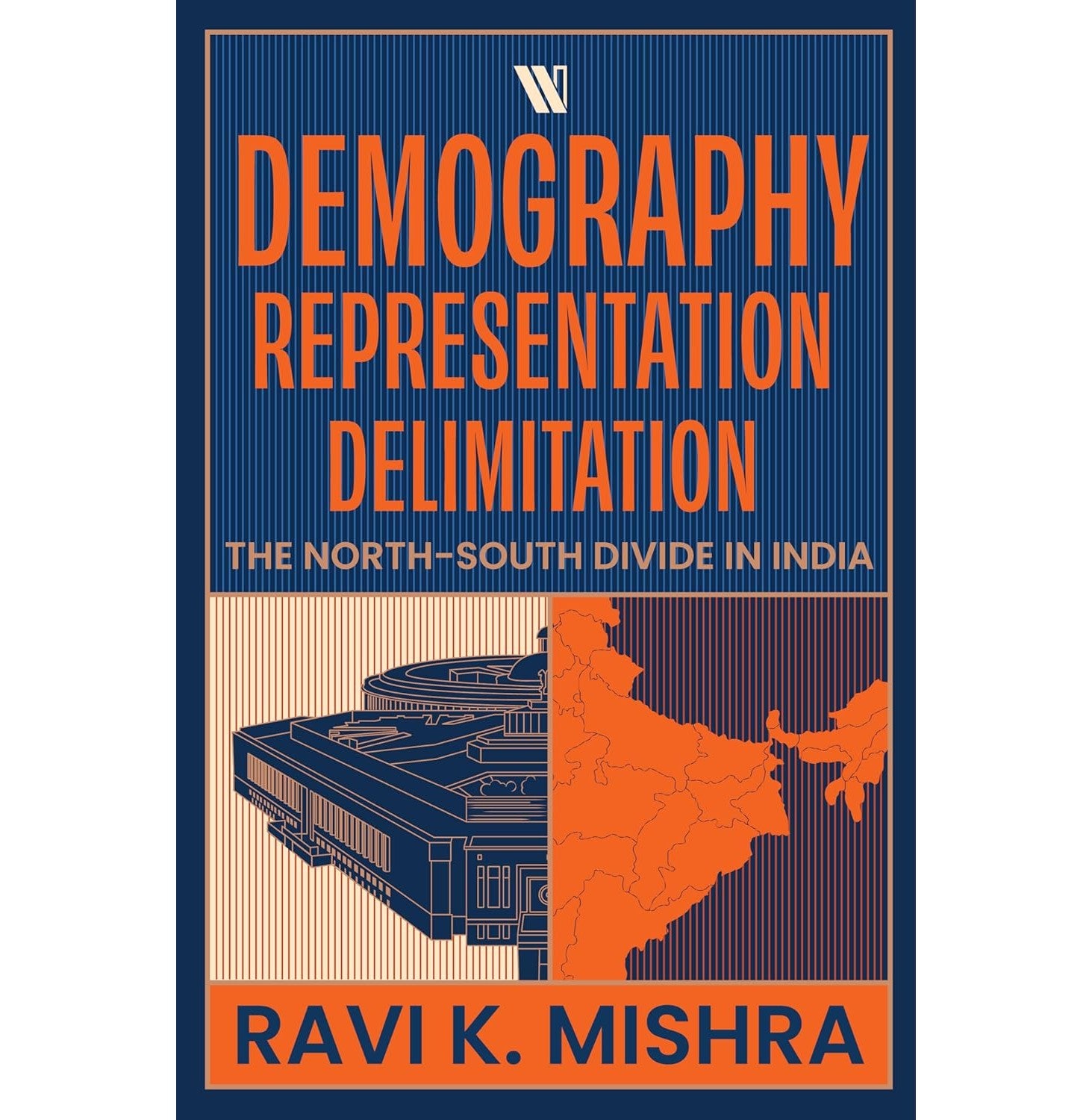
In India, the demographic landscape has undergone significant transformations over the decades, leading to a pronounced North-South divide. Historian Ravi K. Mishra’s book, Demography, Representation, Delimitation: Rethinking India’s North-South Divide, delves into this issue, challenging prevailing notions and offering insights into the implications for political representation.
Historical Demographic Trends
Historically, the Southern states of India exhibited higher population growth rates compared to their Northern counterparts. However, post-1971, the demographic trends shifted. The Southern states, having implemented effective population control measures, experienced a decline in growth rates, while the Northern states, particularly Uttar Pradesh and Bihar, saw an increase in population growth. This shift has led to a change in the demographic balance between the regions.
Delimitation and Its Impact
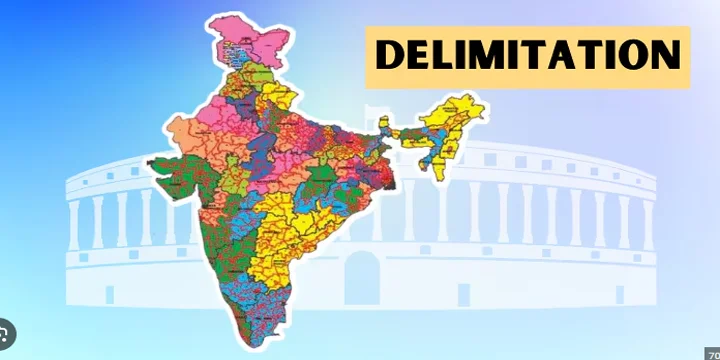
The issue of delimitation, which involves redrawing electoral boundaries based on population data, has been a contentious topic in India. The freeze on delimitation after the 1971 Census, and its subsequent extensions, has resulted in a misalignment between population growth and political representation. Mishra argues that this freeze has led to an overrepresentation of the Southern states and an underrepresentation of the Northern states in the Lok Sabha.
Political and Social Implications
The demographic and delimitation disparities have significant political and social implications. The Southern states, despite their declining population growth, continue to hold a disproportionate number of seats in the Lok Sabha. This imbalance affects the principle of ‘One Person, One Vote, One Value’ and raises questions about equitable representation. Furthermore, the demographic shifts have implications for resource allocation, development priorities, and national policies.
Conclusion: Towards a Balanced Approach
Addressing the North-South demographic divide requires a nuanced approach. While the Southern states’ efforts in population control are commendable, the changing demographic trends necessitate a reevaluation of political representation. A balanced approach that considers both population growth and development indicators can ensure equitable representation and foster national unity.
Why This News Is Important
Implications for Political Representation
The discussion on delimitation and demographic trends is crucial for understanding the dynamics of political representation in India. Ensuring that electoral boundaries reflect current demographic realities is essential for maintaining the integrity of the democratic process.
Impact on Policy Formulation
The demographic shifts between the North and South have implications for policy formulation. Regions experiencing higher population growth may require more resources and attention to meet the needs of their growing populations. Conversely, regions with declining growth rates may focus on different developmental priorities.
Significance for Government Exams
For students preparing for government exams, understanding the nuances of India’s demographic trends and their implications is vital. Topics related to population studies, electoral processes, and regional disparities are frequently covered in exams, making this knowledge pertinent for aspirants.
Historical Context
Pre-1971 Demographic Trends
Before 1971, the Southern states of India had higher population growth rates compared to the Northern states. This was attributed to factors such as early investments in education, healthcare, and family planning.
Post-1971 Shifts
After 1971, the demographic trends began to shift. The Southern states, having already implemented effective population control measures, experienced a decline in growth rates. In contrast, the Northern states, particularly Uttar Pradesh and Bihar, saw an increase in population growth due to factors like lower literacy rates and limited access to healthcare.
Delimitation Freeze
The freeze on delimitation after the 1971 Census, and its subsequent extensions, resulted in a misalignment between population growth and political representation. This freeze has led to an overrepresentation of the Southern states and an underrepresentation of the Northern states in the Lok Sabha.
Key Takeaways from ‘Demography, Representation, Delimitation’
| # | Key Takeaway |
|---|---|
| 1. | The Southern states had higher population growth rates until 1971. |
| 2. | Post-1971, the Northern states experienced higher population growth. |
| 3. | The freeze on delimitation has led to an imbalance in political representation. |
| 4. | The principle of ‘One Person, One Vote, One Value’ is compromised. |
| 5. | A balanced approach is needed to address demographic disparities. |
FAQs: Frequently Asked Questions
1. What is the main focus of the book Demography, Representation, Delimitation?
The book by Ravi K. Mishra explores demographic trends, electoral representation, and the implications of delimitation on India’s North-South divide.
2. What is delimitation in the Indian context?
Delimitation is the process of redrawing the boundaries of electoral constituencies based on population changes to ensure equitable representation in the Parliament and state legislatures.
3. Why was delimitation frozen after the 1971 Census?
The freeze was implemented to maintain political stability and balance development disparities between states, but it later caused misalignment between population growth and representation.
4. How have demographic trends shifted between North and South India post-1971?
Southern states experienced declining population growth due to effective family planning, while Northern states like Uttar Pradesh and Bihar saw higher growth rates due to lower literacy and limited healthcare access.
5. What is the impact of demographic imbalance on political representation?
It leads to overrepresentation of Southern states and underrepresentation of Northern states in the Lok Sabha, compromising the principle of ‘One Person, One Vote, One Value.’
6. Why is this topic important for government exam aspirants?
It covers concepts like population studies, electoral processes, and regional disparities, which are commonly asked in exams like UPSC, PSC, Banking, Railways, and Defence exams.
7. Which Northern states have experienced high population growth post-1971?
Uttar Pradesh and Bihar are the key Northern states with high population growth post-1971.
8. How does this demographic debate affect policy-making?
Regions with higher population growth may require more resources and development focus, influencing allocation of government schemes and policies.
9. What principle is affected due to the freeze on delimitation?
The democratic principle of ‘One Person, One Vote, One Value’ is affected.
10. Can delimitation be revised in the future?
Yes, delimitation can be revised based on future Census data to ensure equitable representation.
Some Important Current Affairs Links