








India metro network world 3rd largest with 1143 km coverage. Learn key facts, expansion details, and exam-focused insights for UPSC, SSC, Banking and PCS preparation.
India Metro Network Becomes World’s 3rd Largest: A Major Milestone in Urban Transport
India Achieves Global Ranking in Metro Rail Network
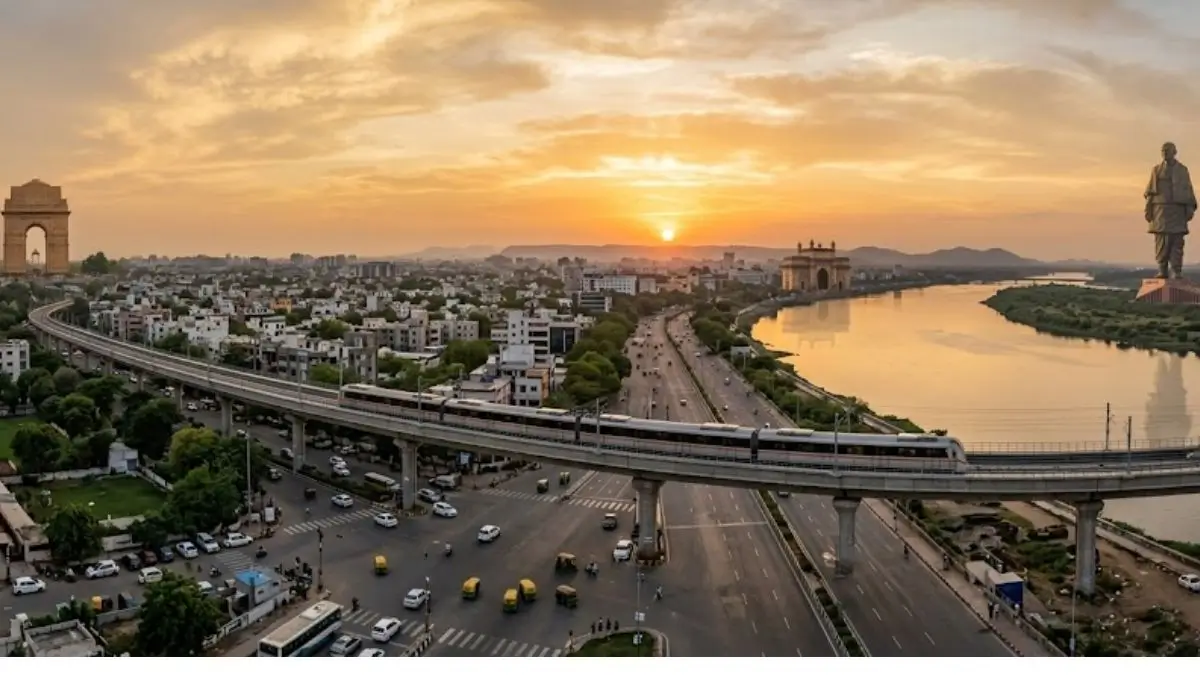
India has achieved a remarkable milestone by becoming the world’s third-largest metro network, marking a significant advancement in the country’s urban infrastructure. With over 1,143 km of operational metro lines, India now ranks behind only China and the United States in terms of metro rail network size.
This achievement reflects the country’s rapid progress in developing modern public transportation systems aimed at improving urban mobility and reducing congestion.
Rapid Expansion Across Multiple Cities
The expansion of metro rail services in India has been both rapid and transformative. From operating in just 5 cities in 2014, metro services have now expanded to 29 cities across the country.
This growth demonstrates the government’s strong focus on enhancing infrastructure and providing efficient, affordable, and eco-friendly transportation solutions in urban areas.
Massive Infrastructure Under Development
In addition to the existing operational network, nearly 936 km of metro lines are currently under construction across different parts of India.
This ongoing expansion indicates that India’s metro network will continue to grow significantly in the coming years, further strengthening its global position.
High Passenger Usage and Urban Impact
India’s metro systems are now serving approximately 11.5 million passengers daily, making them a crucial component of urban public transport.
Metro rail systems help reduce traffic congestion, lower pollution levels, and provide a faster and more reliable mode of transportation, especially in densely populated cities.
Role of Delhi Metro in National Growth
The Delhi Metro has played a pioneering role in shaping India’s metro rail ecosystem. It is currently the largest metro network in the country and has set benchmarks for efficiency, safety, and punctuality.
Its success has encouraged the development of metro systems in other cities such as Bengaluru, Mumbai, and Lucknow.

Why This News is Important
Boost to Infrastructure Development
India becoming the third-largest metro network globally highlights the country’s strong push towards infrastructure development. It reflects government initiatives aimed at modernizing cities and improving connectivity, which is crucial for economic growth.
Improved Urban Mobility
The expansion of metro networks directly impacts the daily lives of millions of people. Faster and more reliable transport systems reduce travel time, making cities more efficient and livable.
Environmental Benefits
Metro rail systems are environmentally friendly compared to road transport. They help reduce carbon emissions, fuel consumption, and air pollution—critical issues for Indian cities facing environmental challenges.
Employment and Economic Growth
Large-scale metro projects generate employment opportunities in construction, engineering, and operations. They also boost local economies by improving connectivity between commercial hubs.
Important for Competitive Exams
This development is highly relevant for government exam aspirants as it relates to topics like infrastructure, urban development, environment, and economic growth—frequently asked in exams like UPSC, SSC, Banking, and State PCS.
Historical Context of Metro Rail in India
Beginning of Metro Rail in India
India’s metro journey began with the Kolkata Metro in 1984, which was the first metro rail system in the country.
Modern Metro Era
The modern metro era started with the launch of the Delhi Metro in 2002, which transformed urban transportation and became a model for other cities.
Expansion Phase
Over the years, metro networks expanded to major cities such as Bengaluru, Mumbai, Chennai, Hyderabad, and Lucknow. Government policies like the National Urban Transport Policy further accelerated this growth.
Recent Achievements
India crossed the 1000 km milestone in 2025 and has now reached over 1,143 km, securing the third position globally.
Key Takeaways from This News
| S.No. | Key Takeaway |
|---|---|
| 1 | India has become the world’s 3rd largest metro network |
| 2 | Total operational metro length exceeds 1,143 km |
| 3 | Metro services are now available in 29 cities |
| 4 | Around 936 km of metro lines are under construction |
| 5 | Metro systems serve about 11.5 million passengers daily |
FAQs: Frequently Asked Questions
1. Which country has the largest metro network in the world?
China has the largest metro network globally, followed by the United States, while India is now ranked third.
2. What is the total length of India’s metro network?
India’s metro network has crossed 1,143 km of operational lines, making it the third largest in the world.
3. How many cities in India currently have metro rail services?
Metro rail services are operational in 29 cities across India.
4. Which was the first metro system in India?
The Kolkata Metro, launched in 1984, was the first metro rail system in India.
5. Which is the largest metro network in India?
The Delhi Metro is the largest and most advanced metro network in India.
6. How many passengers use metro services daily in India?
Approximately 11.5 million passengers use metro services daily.
7. How much metro network is currently under construction in India?
Around 936 km of metro lines are under construction.
8. Why is metro rail important for urban transport?
Metro systems reduce traffic congestion, pollution, and travel time, making cities more efficient and sustainable.
9. When did the modern metro expansion begin in India?
The modern expansion began with the launch of the Delhi Metro in 2002.
10. Why is this topic important for competitive exams?
It is important for exams like UPSC, SSC, Banking, and State PCS as it covers infrastructure, environment, and economic development topics.
Some Important Current Affairs Links