




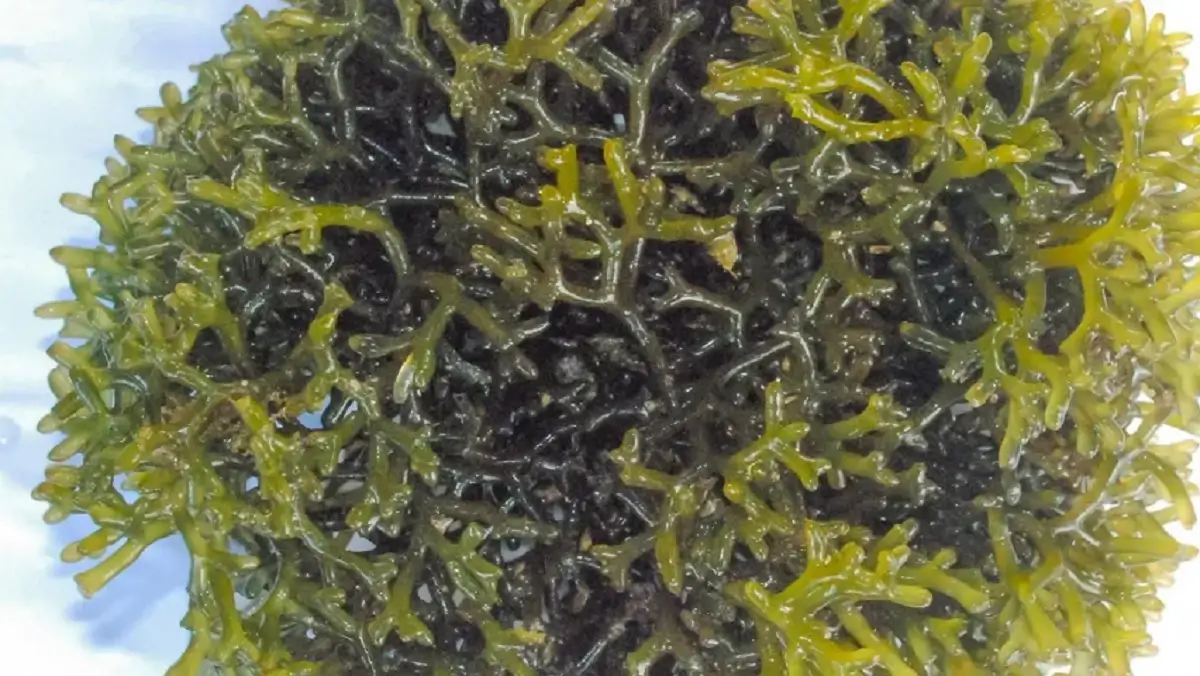
India International Seaweed Summit 2026 in Kochi focuses on seaweed cultivation, processing, biotechnology, and Seaweed 2030 roadmap to strengthen the blue economy and coastal livelihoods.
Kochi to Host 7th India International Seaweed Expo & Summit in January 2026
India Gears Up for Global Seaweed Leadership
The coastal city of Kochi will host the 7th edition of the India International Seaweed Expo and Summit (IISE&S) on January 29–30, 2026. This summit is poised to become one of the largest gatherings worldwide focusing on seaweed — bringing together international stakeholders from research, industry, policy and trade.
Jointly organized by the ICAR-Central Marine Fisheries Research Institute (CMFRI), the Indian Chamber of Commerce (ICC), and the CSIR-Central Salt and Marine Chemicals Research Institute (CSMCRI), the summit aims to highlight the vast potential of seaweed as part of India’s growing “blue economy.”
What the Expo and Summit Will Feature
The IISE&S 2026 will include a wide array of programs — technical sessions, business meets, exhibitions, and policy discussions — addressing seaweed cultivation, processing, value addition, and innovative industrial uses.
Key themes include the development of seaweed for nutraceuticals, pharmaceuticals, biofuels, bioplastics, and sustainable livelihoods for coastal communities. The summit will also focus on boosting supply chains, bioprospecting, biotechnology, and enhancing export potential.
Another major highlight is the unveiling of the national roadmap called Seaweed 2030 — a long-term strategy aimed at positioning India as a global powerhouse in seaweed production and processing.
International Participation and Collaboration
The summit expects participation from global players — delegates from countries like Brazil, Sri Lanka, the Netherlands, Sweden and others have already confirmed attendance. This international engagement signals strong potential for technology transfer, global market linkages, and collaborative ventures in marine biotechnology.
Such participation underscores the growing global interest in seaweed-based industries — ranging from sustainable food and medicine to innovative bio-based materials and climate-resilient solutions.
India’s Strategic Push Towards Blue Economy
With over 11,000 km of coastline and diverse marine ecosystems, India holds a significant advantage for large-scale seaweed cultivation, processing, and export. The summit aims to catalyze investments, research collaborations, and policy frameworks to build a robust seaweed value chain.
By leveraging seaweed’s versatile applications — from food and nutraceuticals to biofuels and bioplastics — India aims not only to boost its marine biotechnology sector but also to create livelihood opportunities for coastal populations, especially fishermen and coastal communities.

Why This News Matters for Exam Aspirants
Relevance to Economy & Ecology
The announcement of the 7th India International Seaweed Expo and Summit is significant because it reflects India’s growing emphasis on the “blue economy” — an increasingly important theme in government policy. For exams like those for civil services, railways, banking, or defence, understanding such developments helps in evaluating India’s economic diversification and sustainable growth strategies.
Further, seaweed cultivation and processing touch upon key aspects: marine biodiversity, environmental sustainability, coastal livelihoods, and renewable/alternative resource utilization (like biofuels and bioplastics). These are critical for sections on ecology, environment, economy and current affairs.
Indicator of Future Industry and Employment Trends
The expo signals the potential for new industries — biotechnology, marine processing, nutraceuticals — which may lead to employment generation, skill-development opportunities, especially in coastal regions. This is relevant for aspirants preparing for recruitment in sectors like railways, defence, and civil services, where government policies may impact future infrastructure or environment-related programs.
Moreover, the global collaboration and export potential suggest economic growth trajectories, which can influence general-studies questions on trade, maritime economy, climate-smart industries, and India’s competitive standing globally.
Historical Context: Seaweed Industry in India & Global Trends
Seaweed has long been recognized globally for its ecological and economic significance — serving as food (especially in East Asia), a source of bioactive compounds, and a sustainable alternative for packaging and biofuels. Over past decades, rising global demand for seaweed-derived products (phycocolloids, nutraceuticals, cosmetics, bio-materials) has led many nations to invest heavily in marine biotechnology.
In India, though there has been seaweed usage (mainly for phycocolloids), large-scale cultivation and value-added processing remained limited. However, recognizing its potential for coastal livelihoods, sustainable industry, and global export market, policymakers and research institutes have begun pushing for structured development. This shift reflects in events like the upcoming Seaweed Expo and the “Seaweed 2030” roadmap
Moreover, the marine-resource potential of India — with its vast coastline and marine biodiversity — offers a strategic advantage. As global trends move toward climate-resilient resources, biotechnology, and blue economy, India’s push for seaweed industry positions it to tap into a growing global market while contributing to sustainable development.
Key Takeaways from “Kochi to Host 7th India International Seaweed Expo & Summit 2026”
| S. No. | Key Takeaway |
|---|---|
| 1 | The 7th India International Seaweed Expo & Summit will be held at Kochi on January 29–30, 2026. |
| 2 | The summit is jointly organized by CMFRI, ICC and CSMCRI — major institutions in marine research, commerce and chemical research. |
| 3 | International participation is expected from countries including Brazil, Sri Lanka, Netherlands, Sweden, among others. |
| 4 | The event will focus on seaweed cultivation, processing, biotechnology, value addition (e.g. nutraceuticals, biofuels, bioplastics) — aligning with marine-biotech and blue economy goals. |
| 5 | The summit will unveil “Seaweed 2030”, a national roadmap aiming to make India a global leader in sustainable seaweed production and high-value product manufacturing. |
FAQs: Frequently Asked Questions
1. What is the India International Seaweed Expo & Summit?
The India International Seaweed Expo & Summit (IISE&S) is a global event that focuses on seaweed cultivation, processing, research, biotechnology, value addition, and its economic and environmental significance. It brings together stakeholders from industry, academia, policy, and research.
2. When and where will the 7th edition be held?
The 7th edition will be held in Kochi, Kerala, on January 29–30, 2026.
3. Which organizations are organizing the summit?
The summit is jointly organized by ICAR-Central Marine Fisheries Research Institute (CMFRI), Indian Chamber of Commerce (ICC), and CSIR-Central Salt and Marine Chemicals Research Institute (CSMCRI).
4. What is the theme of the 7th summit?
The summit will focus on seaweed cultivation, biotechnology, industrial applications (nutraceuticals, biofuels, bioplastics), value addition, coastal livelihoods, and India’s global leadership in the blue economy.
5. Which countries are expected to participate internationally?
Countries like Brazil, Sri Lanka, the Netherlands, and Sweden have confirmed their participation, showcasing technology transfer, global trade opportunities, and collaborative ventures in marine biotechnology.
6. What is the significance of “Seaweed 2030”?
“Seaweed 2030” is a national roadmap that aims to position India as a global leader in sustainable seaweed production, processing, and high-value product development, enhancing exports and coastal employment.
7. How is seaweed important for India’s economy and environment?
Seaweed supports sustainable livelihoods for coastal communities, development of marine biotechnology, renewable products like biofuels and bioplastics, and contributes to the blue economy.
8. Which sectors benefit from the seaweed industry?
Key sectors include pharmaceuticals, nutraceuticals, food processing, biofuel production, bioplastics, biotechnology, and coastal entrepreneurship.
Some Important Current Affairs Links