





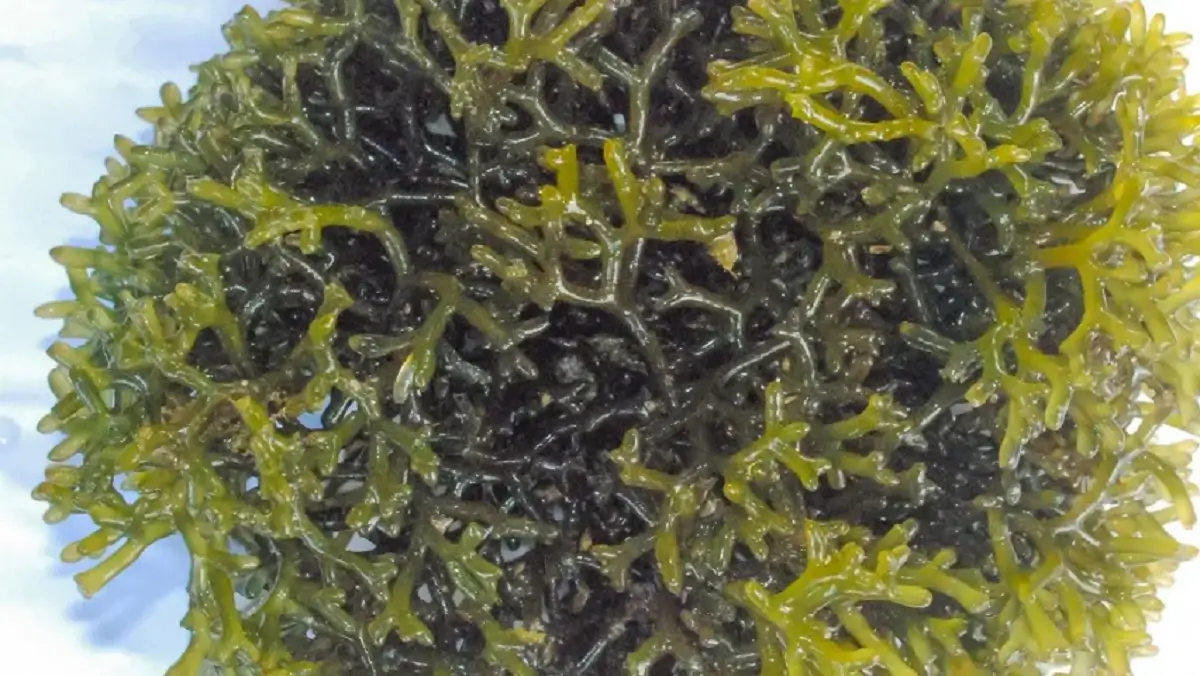
India International Seaweed Summit 2026 to be held in Kochi on January 29–30. Explore sustainable seaweed cultivation, marine biotechnology, blue economy, and coastal livelihood development.
Kochi to Host 7th India International Seaweed Expo & Summit in January 2026
Overview: What’s the News
The city of Kochi in Kerala is set to host the 7th India International Seaweed Expo & Summit (IISE&S) 2026 on January 29–30, 2026. The event is being organised jointly by the ICAR‑Central Marine Fisheries Research Institute (CMFRI), the Indian Chamber of Commerce (ICC), and the CSIR‑Central Salt & Marine Chemicals Research Institute (CSMCRI).
Global Participation & International Collaboration
The summit is expected to draw a diverse international audience. Delegates have already confirmed their participation from countries including Brazil, Sri Lanka, the Netherlands, and Sweden — among others. Participants will include stakeholders from research institutions, industry bodies, governmental agencies, investors, start-ups, and innovators. This global participation indicates potential for cross-border collaborations, technology exchange, investment opportunities and expansion of seaweed-based value chains.
Focus Areas: What Will the Summit Cover
The Expo & Summit aims to spotlight cutting-edge developments in the seaweed and marine algae sector — from cultivation and processing to value addition, biotechnology, and industrial applications. Key focus areas will include: nutraceuticals, biofuels, bioplastics, bioproducts, and other high-value derivatives.
In addition, technical sessions are planned on topics such as government policy frameworks, financing and market development, supply-chain optimization, biotechnology, and bioprospecting.There will also be emphasis on improving coastal livelihoods, leveraging seaweed cultivation for sustainable development and expanding India’s marine value chain.
Strategic Significance: Why This Summit Matters
With India’s long coastline—over 11,000 km—and diverse marine ecosystems, the country is well-positioned to emerge as a global hub for seaweed cultivation, processing, and marine biotechnology. Organisers believe that this summit can accelerate investments, promote research collaborations, and boost India’s export competitiveness in high-value seaweed derivatives.
The “Seaweed 2030” panel — a key feature of the summit — aims to outline a national roadmap to scale up seaweed production, processing, and sustainable marine resource development in India.
Implications for Marine Economy and Blue Growth
By bringing together global experts, investors, policy-makers, scientists, start-ups and coastal communities, the summit aims to catalyze a shift toward a stronger, more sustainable marine economy. It has the potential to generate employment — especially for coastal populations — and support sustainable livelihoods through seaweed farming, processing, and allied activities. Moreover, by promoting eco-friendly alternatives (biofuels, bioplastics, nutraceuticals), this could contribute to environmental sustainability and climate-resilient development.

Why This News is Important
Relevance for Aspirants of Government Exams
For students preparing for government exams (teaching, police, banking, railways, defence, civil services), awareness of emerging national-level events like this summit is crucial. Questions on economic policies, government initiatives, industry sectors, environmental sustainability, blue economy, or international collaborations often appear in General Awareness / Current Affairs sections. The IISE&S 2026 — with its potential to influence future marine-economy policies — could become a noteworthy topic.
Significance for India’s Blue Economy & Sustainable Growth
This summit represents a strategic effort to position India as a global leader in seaweed cultivation and marine biotechnology. By laying out a national roadmap via “Seaweed 2030”, India aims to tap into the rapidly growing global seaweed market — covering food, pharmaceuticals, biofuels, bioplastics, and more. This aligns with broader national goals around sustainable development, coastal livelihood generation, environmental conservation and blue economy growth.
Long-term Impact and Opportunities
For coastal communities, fishermen, start-ups and small entrepreneurs, this could unlock livelihood options and new business opportunities. For the nation, successful execution could strengthen export potential, bring foreign investment, reduce dependence on conventional resources, and promote eco-friendly marine industries. For civil service or policymaking aspirants, understanding such initiatives can prove valuable when dealing with coastal/state administration, fisheries department, environmental regulation, resource management, or rural development.
Historical Context
Rise of Seaweed Importance Globally
Globally, seaweed has gained significance as a versatile resource — used in food, nutraceuticals, cosmetics, pharmaceuticals, agriculture (fertilisers), biofuels and bioplastics. With the growing focus on sustainability, climate change mitigation and alternatives to fossil-based resources, many countries are investing heavily in marine algae research, cultivation, and industrial applications.
India’s Coastal Advantage & Early Efforts
India, with a coastline of approximately 11,000 km and rich marine biodiversity, has long held potential for marine aquaculture. Over recent years, institutes like ICAR-CMFRI have initiated capacity-building programs, training coastal communities in seaweed farming and promoting sustainable cultivation practices.
However, despite this potential, India’s seaweed industry remained underdeveloped compared to global leaders. The decision to host such an international expo and summit signals a renewal of focus — combining research, industry, policy, and global collaboration to harness this potential.
Government & Institutional Backing — From Local to Global Aspirations
The involvement of premier institutions (ICAR-CMFRI, CSIR-CSMCRI) along with a national chamber like ICC indicates a shift from isolated research or small-scale cultivation to a more integrated, large-scale, globally oriented strategy. The “Seaweed 2030” roadmap represents a long-term vision for seaweed-based marine economy, reflecting India’s commitment toward sustainable blue growth, coastal livelihood upliftment, technological adoption and international collaboration.
Key Takeaways from This News
| S. No. | Key Takeaway |
|---|---|
| 1 | 7th India International Seaweed Expo & Summit 2026 will be held in Kochi on January 29–30, 2026. |
| 2 | The event is jointly organised by ICAR-CMFRI, ICC and CSIR–CSMCRI. |
| 3 | It expects wide international participation, with delegations from countries like Brazil, Sri Lanka, Netherlands, Sweden, among others. |
| 4 | Summit themes include seaweed cultivation, processing, marine biotechnology, value-addition, and industrial applications like biofuels, bioplastics and nutraceuticals. |
| 5 | The “Seaweed 2030” panel will outline a national roadmap to make India a global leader in sustainable seaweed production and marine-based blue economy. |
FAQs: Frequently Asked Questions
1. What is the India International Seaweed Expo & Summit (IISE&S)?
The IISE&S is an international platform that brings together scientists, industry stakeholders, policymakers, investors, and innovators to discuss advancements in seaweed cultivation, marine biotechnology, and related value-added industries.
2. When and where will the 7th India International Seaweed Expo & Summit 2026 be held?
It will be held in Kochi, Kerala on January 29–30, 2026.
3. Which institutions are organizing the summit?
The event is jointly organized by ICAR-Central Marine Fisheries Research Institute (CMFRI), Indian Chamber of Commerce (ICC), and CSIR-Central Salt & Marine Chemicals Research Institute (CSMCRI).
4. Which countries are participating in the summit?
Confirmed international participants include Brazil, Sri Lanka, the Netherlands, and Sweden among others.
5. What are the main focus areas of the summit?
The summit will focus on seaweed cultivation, processing, biotechnology, value addition, biofuels, bioplastics, nutraceuticals, coastal livelihood development, and sustainable marine economy.
6. What is “Seaweed 2030”?
“Seaweed 2030” is a national roadmap to scale up India’s seaweed production, processing, and marine-based blue economy, aiming to make India a global leader in sustainable seaweed industries.
7. Why is this summit important for India’s economy?
It promotes blue economy growth, generates employment for coastal communities, boosts export potential, encourages foreign investment, and fosters sustainable marine resource management.
8. How is this summit relevant for government exam aspirants?
Current affairs, marine policies, government initiatives, blue economy, environmental sustainability, and international collaborations are often included in General Awareness sections for exams like UPSC, PSCs, banking, defence, railways, and teaching positions.
Some Important Current Affairs Links