






Global Skills Partnership and India–Germany agreements strengthen cooperation in skills, clean energy, visa-free transit, and strategic security during German Chancellor Friedrich Merz’s January 2026 visit to India.
India–Germany Sign Multiple Strategic Pacts During German Chancellor’s Visit to India
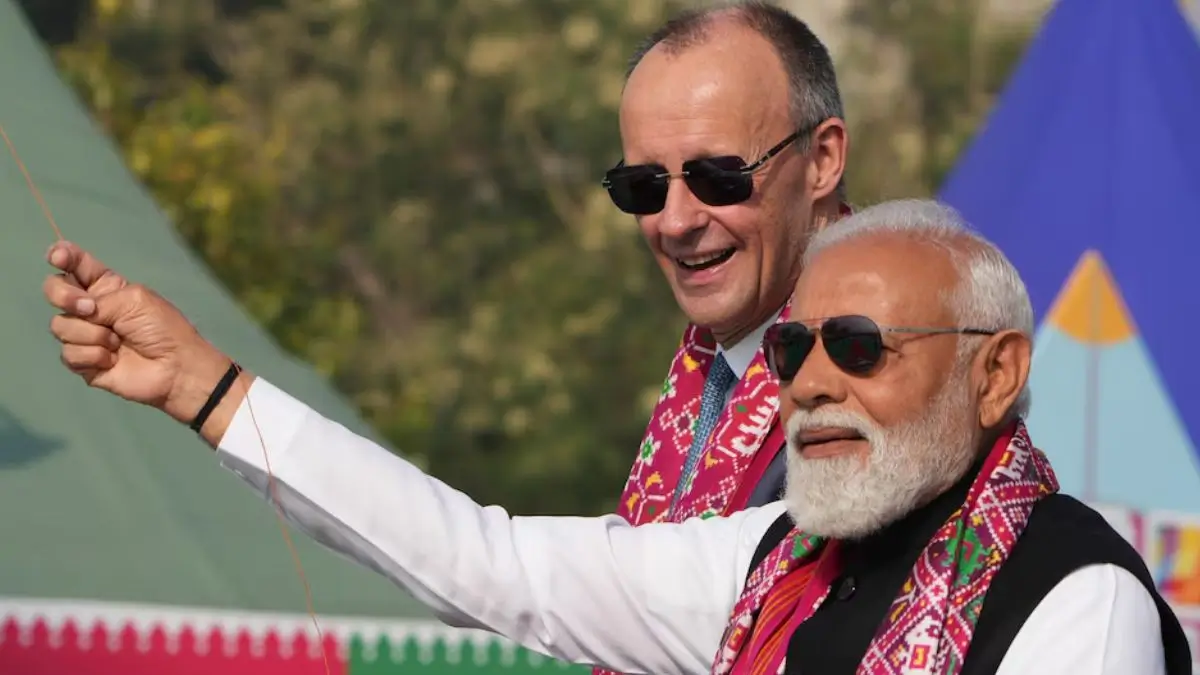
In a landmark development underscoring the strengthening of international relations, India and Germany have signed several agreements following the two-day official visit of German Chancellor Friedrich Merz to India (January 12–13, 2026). The high-level talks between Chancellor Merz and Prime Minister Narendra Modi focused on expanding cooperation across migration, security, clean energy, digital infrastructure, and people-to-people engagement — signalling a robust and diversified partnership.
Strengthening Migration, Mobility and Skills Cooperation
One of the key outcomes of the visit was a renewed emphasis on legal migration pathways and skills partnerships, especially for Indian professionals. Both nations signed a Joint Declaration of Intent on the Global Skills Partnership, which aims to facilitate structured movements of skilled workers, particularly in the healthcare sector. This pact is designed to benefit both Germany — facing workforce shortages — and India’s skilled youth by enhancing career opportunities abroad.
Visa-Free Transit Facility For Indian Citizens
In a move that will significantly enhance people-to-people ties, India and Germany announced a visa-free transit facility for Indian citizens. This facility will make it easier for Indians to travel through German airports during international transit, thereby promoting smoother international travel for tourism, commerce, education, and work-related purposes.
Security and Strategic Engagement Deals
Beyond economic and mobility partnerships, the two countries signed agreements targeted at strengthening security cooperation. These understandings aim to fortify collaboration in counter-terrorism, regional stability, and strategic dialogue — reflecting evolving geopolitical priorities and shared global concerns.
Focus on Clean Energy and Innovation
Another highlight was the emphasis on clean and sustainable energy cooperation. Both leaders announced the establishment of an India-Germany Centre of Excellence, which will focus on advancing green technology, innovation in renewable energy, and climate solutions aligned with India’s energy transition goals and Germany’s leadership in clean tech.
Bilateral Trade and Cultural Cooperation
Bilateral trade between India and Germany has crossed the USD 50 billion mark, marking a significant milestone in economic collaboration. Additionally, cultural and heritage cooperation was highlighted through a partnership between the German Maritime Museum and India’s National Maritime Heritage Complex at Lothal, forging deeper ties in historical and cultural exchange.

Why This News Is Important for Government Exams
Strategic Relevance for Competitive Exams
This news holds high significance for various competitive examinations — including UPSC, SSC CGL, Banking PO, Railway RRB, and State PSC exams — because it covers India’s foreign policy, international diplomacy, and bilateral ties with one of the European Union’s largest economies.
Understanding this development helps students grasp India’s diplomatic priorities, such as sustainable development, bilateral trade growth, defence collaboration, and workforce mobility. It reflects India’s strategic efforts to engage with key global partners to enhance economic growth, security coordination, and technological innovation.
Exam-Centric Keywords to Remember
Important themes for exams include:
- Global Skills Partnership
- Visa-Free Transit
- Clean & Sustainable Energy Cooperation
- Strategic Security Agreements
- India-Germany Trade Milestones
These topics are relevant under International Relations, Foreign Trade, Government Policies, and Global Challenges segments in competitive exams.
Historical Context: India–Germany Relations
Evolution of Diplomatic Ties
India and Germany have maintained relations for over 75 years, with formal diplomatic ties established in 1951. Over the decades, the relationship has evolved from cultural exchanges and trade to more strategic and economic partnerships.
Strategic Partnership & Prior Milestones
In 2000, India and Germany established a Strategic Partnership, marking a new phase of cooperation in science, technology, defence, and energy. Both countries have participated in multiple forums, including the India-EU Summit and bilateral Joint Economic Commissions, deepening cooperation in areas like trade, investment, renewable energy, and education.
Migration & Mobility Cooperation
Earlier in 2022, the two nations signed a Comprehensive Migration and Mobility Partnership to facilitate mobility for students, workers, and researchers — laying the foundation for expanded agreements like the recent skills partnership.
Key Takeaways from India–Germany Strategic Agreements
| S. No. | Key Takeaway |
|---|---|
| 1 | Germany’s Chancellor Friedrich Merz visited India on January 12–13, 2026. |
| 2 | India and Germany signed multiple pacts on migration, visa-free transit, and skills cooperation. |
| 3 | A visa-free transit facility for Indian citizens will ease international travel. |
| 4 | Agreements focused on clean energy, innovation, and the India-Germany Centre of Excellence. |
| 5 | Strategic security cooperation deals emphasize shared global and regional stability goals. |
FAQs: Frequently Asked Questions
1. What was the purpose of the German Chancellor’s visit to India in January 2026?
The visit aimed to strengthen India–Germany bilateral ties through agreements in areas such as migration, visa-free transit, skills partnership, clean energy, and security cooperation.
2. Which new agreements were signed between India and Germany?
Key agreements include:
- Joint Declaration on Global Skills Partnership
- Visa-free transit facility for Indian citizens
- Cooperation in clean energy and technology innovation
- Strategic security cooperation deals
3. How does the Global Skills Partnership benefit India?
It allows skilled Indian professionals, especially in the healthcare sector, to access structured work opportunities in Germany, addressing workforce gaps abroad and enhancing career growth for Indian youth.
4. What is the significance of the visa-free transit facility?
It enables Indian citizens to transit through German airports without a visa, facilitating international travel for education, work, tourism, and business purposes.
5. What areas are covered under India–Germany clean energy cooperation?
Agreements focus on:
- Renewable energy technology
- Green innovation
- Climate solutions
- Establishment of the India–Germany Centre of Excellence
6. How does this visit impact India’s strategic and security relations?
The pacts promote regional stability, counter-terrorism collaboration, and strategic dialogue between India and Germany, strengthening defense and international security cooperation.
7. Why is this news relevant for government exam aspirants?
It covers topics in foreign policy, international relations, trade, migration, renewable energy, and security, which are frequently asked in UPSC, State PSC, SSC, Banking, Railways, and Defence exams.
Some Important Current Affairs Links