







India fast breeder reactor criticality 2026 marks a major nuclear milestone. Learn PFBR features, importance, and exam-focused insights for UPSC, SSC, and banking exams.
India’s Most Advanced Atomic Reactor Attains Criticality: A Major Leap in Nuclear Energy
Introduction to the Milestone Achievement
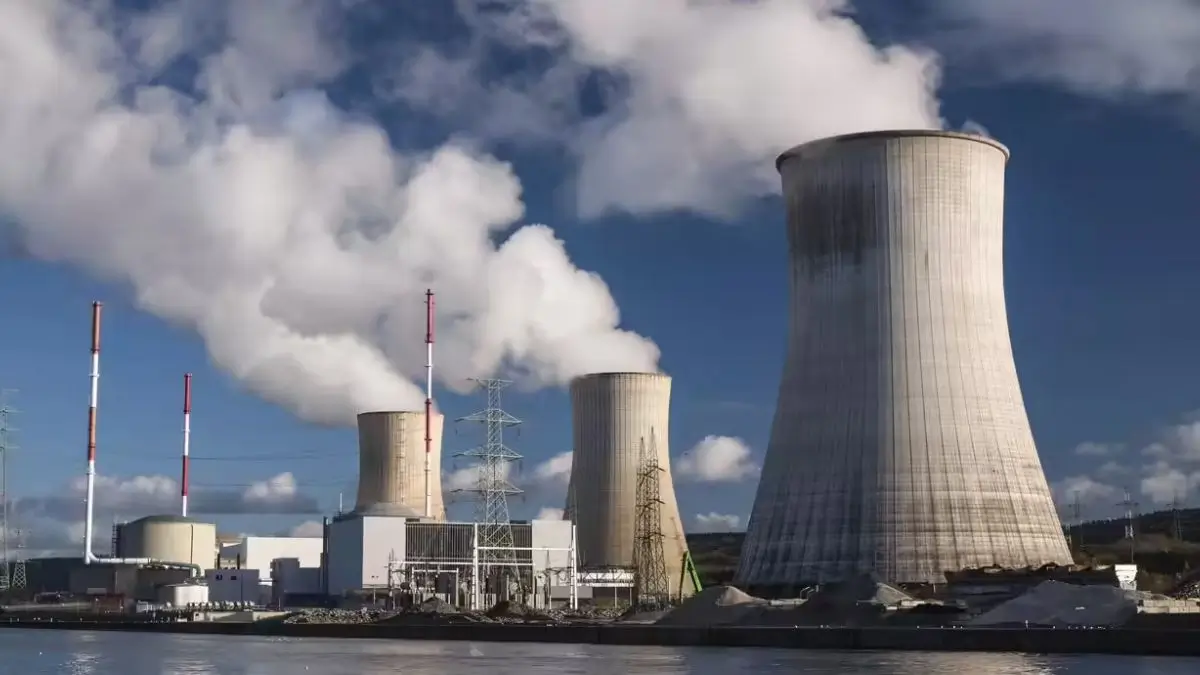
India has achieved a historic milestone in its nuclear energy programme with the successful attainment of criticality in its most advanced atomic reactor—the Prototype Fast Breeder Reactor (PFBR) located at Kalpakkam, Tamil Nadu. This development marks a significant advancement in India’s long-term strategy for energy security and technological self-reliance.
What is Criticality in Nuclear Reactors?
Criticality refers to the stage when a nuclear reactor achieves a self-sustaining chain reaction, where the number of neutrons produced is sufficient to maintain continuous nuclear fission without external intervention. This is a crucial step before the reactor can begin full-scale electricity generation.
Key Features of the Prototype Fast Breeder Reactor
The PFBR is a 500 MWe fast breeder reactor, indigenously designed and developed under India’s nuclear programme. Unlike conventional reactors, it produces more fissile material than it consumes, making it highly efficient and sustainable.
This reactor uses plutonium-based fuel and is capable of generating additional fuel for future use, thereby reducing dependence on imported nuclear materials. It represents a critical technological advancement for India’s energy independence.
Role in India’s Three-Stage Nuclear Programme
The PFBR plays a central role in India’s three-stage nuclear power programme, which aims to maximize the utilization of the country’s limited uranium and abundant thorium resources. The attainment of criticality marks India’s transition into the second stage of this programme.
In this stage, plutonium generated from earlier reactors is used as fuel, while thorium is gradually introduced to produce uranium-233, paving the way for long-term sustainable energy production.
Indigenous Development and Strategic Importance
The reactor has been developed indigenously over more than two decades, highlighting India’s scientific and engineering capabilities. It is operated by Bharatiya Nabhikiya Vidyut Nigam Limited (BHAVINI) and is a symbol of the country’s push towards Aatmanirbhar Bharat (self-reliance).
Global Significance of the Achievement
With this achievement, India joins a select group of nations with advanced fast breeder reactor technology. Once fully operational, India will become only the second country after Russia to operate a commercial fast breeder reactor, strengthening its position in global nuclear technology.
Contribution to Clean Energy Goals
The PFBR is expected to play a crucial role in India’s clean energy transition by providing reliable, low-carbon power. It aligns with India’s commitment to achieving net-zero emissions by 2070 and increasing the share of nuclear energy in its power mix.

Why This News is Important
Boost to Energy Security
India faces increasing energy demands due to rapid economic growth. The PFBR enhances energy security by enabling the country to produce more nuclear fuel domestically, reducing reliance on imports. This is particularly important for a country with limited uranium reserves but abundant thorium resources.
Advancement Towards Self-Reliance
The successful development of the PFBR showcases India’s indigenous technological capabilities. It reflects the government’s emphasis on self-reliance in critical sectors, including nuclear energy, which has both strategic and economic implications.
Step Towards Sustainable Development
Nuclear energy is a clean and reliable source of power. The PFBR contributes to India’s efforts to reduce carbon emissions and transition towards sustainable energy sources. This is crucial for meeting global climate commitments and ensuring environmental sustainability.
Strategic and Global Importance
The achievement strengthens India’s position as a leader in advanced nuclear technology. It enhances the country’s global standing and opens opportunities for international collaboration in nuclear research and development.
Support for Long-Term Nuclear Vision
The PFBR is a key component of India’s long-term nuclear strategy, which aims to utilize thorium as a primary energy source. This ensures a stable and sustainable energy supply for future generations.
Historical Context of India’s Nuclear Programme
Origin of the Three-Stage Nuclear Strategy
India’s nuclear programme was conceptualized by Dr. Homi Jehangir Bhabha, who envisioned a three-stage strategy to utilize the country’s limited uranium and vast thorium reserves. This vision dates back to the 1950s and remains the foundation of India’s nuclear policy.
Development of Early Nuclear Reactors
In the first stage, India developed Pressurized Heavy Water Reactors (PHWRs) using natural uranium. These reactors produced plutonium as a by-product, which is used in the second stage.
Evolution Towards Fast Breeder Technology
The second stage focuses on fast breeder reactors like the PFBR, which use plutonium and generate more fuel than they consume. This stage is crucial for transitioning to thorium-based energy.
Future Vision: Thorium-Based Reactors
The third stage aims to use thorium to produce uranium-233, ensuring long-term energy sustainability. India possesses one of the largest thorium reserves in the world, making this strategy highly significant.
Decades of Scientific Effort
The PFBR project has been in development for over two decades, reflecting the persistent efforts of Indian scientists and engineers. Its success marks a turning point in India’s nuclear journey.
Key Takeaways from This News
| S.No. | Key Takeaway |
|---|---|
| 1 | India’s PFBR at Kalpakkam has attained criticality, marking a major nuclear milestone |
| 2 | Criticality means a self-sustaining nuclear chain reaction has begun |
| 3 | PFBR is part of the second stage of India’s three-stage nuclear programme |
| 4 | The reactor produces more fuel than it consumes, enhancing efficiency |
| 5 | This achievement strengthens India’s energy security and global nuclear position |
FAQs: India’s Most Advanced Atomic Reactor Attains Criticality
1. What is the Prototype Fast Breeder Reactor (PFBR)?
The PFBR is a 500 MWe nuclear reactor located at Kalpakkam and is India’s most advanced atomic reactor. It is designed to produce more fuel than it consumes.
2. What does “criticality” mean in nuclear science?
Criticality is the stage at which a nuclear reactor achieves a self-sustaining chain reaction, enabling continuous energy production without external neutron sources.
3. Which organization operates the PFBR?
The PFBR is operated by Bharatiya Nabhikiya Vidyut Nigam Limited, a public sector enterprise under India’s Department of Atomic Energy.
4. Under which nuclear programme does PFBR fall?
The PFBR is part of India’s three-stage nuclear power programme, conceptualized by Homi Jehangir Bhabha.
5. Why are fast breeder reactors important?
Fast breeder reactors are important because they generate more fissile material than they consume, making nuclear energy more sustainable and efficient.
6. What fuel does the PFBR use?
The PFBR primarily uses plutonium-based mixed oxide (MOX) fuel along with uranium.
7. How does PFBR contribute to India’s energy security?
It reduces dependence on imported uranium by generating additional nuclear fuel domestically.
8. Which stage of the nuclear programme does PFBR represent?
It represents the second stage of India’s nuclear programme, focusing on plutonium utilization and fuel breeding.
9. What is the significance of thorium in India’s nuclear strategy?
India has large thorium reserves, and future reactors aim to use thorium to produce uranium-233 for long-term energy sustainability.
10. Which countries have fast breeder reactor technology?
Only a few countries like Russia and India have advanced fast breeder reactor technology.
Some Important Current Affairs Links