





India EAEU free trade agreement 2025: India and the Eurasian Economic Union sign Terms of Reference to commence FTA negotiations, boosting trade, MSMEs, and strategic connectivity.
India and EAEU Sign Terms of Reference to Begin Free Trade Agreement Negotiations
Introduction
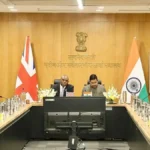
On August 20, 2025, India and the Eurasian Economic Union (EAEU) signed the Terms of Reference (ToR) in Moscow, officially launching negotiations for a Free Trade Agreement (FTA). This strategic move aims to bolster economic ties between India and the EAEU member states—Russia, Armenia, Belarus, Kazakhstan, and Kyrgyz Republic. The signing ceremony was attended by key officials, including Ajay Bhadoo, Additional Secretary of the Department of Commerce, Government of India, and Mikhail Cherekaev, Deputy Director of the Trade Policy Department, Eurasian Economic Commission.
Economic Significance
The EAEU represents a combined Gross Domestic Product (GDP) of approximately $6.5 trillion and a population nearing 180 million. In 2024, bilateral trade between India and the EAEU reached $69 billion, marking a 7% increase from the previous year. The proposed FTA is expected to further enhance trade by reducing tariffs, facilitating smoother customs procedures, and promoting investment flows. Key sectors poised to benefit include pharmaceuticals, information technology services, agriculture, textiles, and machinery.
Strategic and Geopolitical Implications
This development occurs amid rising trade tensions between India and the United States, with the latter imposing a 50% tariff on Indian imports, including penalties for purchasing oil from Russia. In response, India is seeking to diversify its trade partnerships by strengthening economic relations with the EAEU. The FTA negotiations are also seen as a step towards enhancing India’s presence in the Eurasian region, leveraging strategic initiatives like the International North-South Transport Corridor (INSTC) for improved connectivity.
Benefits for Micro, Small, and Medium Enterprises (MSMEs)
The FTA is anticipated to provide significant advantages to India’s MSMEs by granting them easier access to the EAEU market. This includes reduced trade barriers, streamlined regulatory processes, and opportunities for collaboration in sectors such as manufacturing and technology. By tapping into the EAEU’s diverse markets, Indian MSMEs can expand their reach and competitiveness on the global stage.
Challenges and Considerations
Despite the promising prospects, several challenges need to be addressed during the FTA negotiations. These include aligning regulatory standards, addressing non-tariff barriers, and ensuring that the agreement accommodates the interests of all parties involved. Additionally, geopolitical factors and existing trade dynamics will play a crucial role in shaping the outcome of the negotiations.

Why This News is Important
Enhancing Trade Relations
The signing of the ToR marks a significant step towards enhancing trade relations between India and the EAEU. The FTA is expected to reduce trade barriers, facilitate smoother customs procedures, and promote investment flows, thereby boosting bilateral trade.
Diversifying Trade Partnerships
Amidst rising trade tensions with the United States, India is actively seeking to diversify its trade partnerships. Strengthening economic ties with the EAEU provides India with alternative markets and reduces dependency on traditional trading partners.
Supporting MSMEs
The FTA is anticipated to provide significant advantages to India’s MSMEs by granting them easier access to the EAEU market. This includes reduced trade barriers, streamlined regulatory processes, and opportunities for collaboration in various sectors.
Strategic Geopolitical Engagement
The FTA negotiations are also seen as a step towards enhancing India’s presence in the Eurasian region, leveraging strategic initiatives like the International North-South Transport Corridor (INSTC) for improved connectivity.
Economic Growth Prospects
With a combined GDP of $6.5 trillion, the EAEU represents a substantial economic bloc. The proposed FTA is expected to unlock new growth opportunities for Indian exporters and investors, particularly in sectors such as pharmaceuticals, information technology, and agriculture.
Historical Context
Formation of the EAEU
The Eurasian Economic Union (EAEU) was established in 2015 as an economic integration initiative led by Russia. Its primary goal is to promote the free movement of goods, services, capital, and labor among its member states, which include Armenia, Belarus, Kazakhstan, Kyrgyz Republic, and Russia. The EAEU aims to enhance cooperation, boost competitiveness, and support the stable development of member economies.
India’s Engagement with the EAEU
India’s engagement with the EAEU has been evolving over the years, with trade relations gradually expanding. In 2024, bilateral trade between India and the EAEU reached $69 billion, marking a 7% increase from the previous year. The proposed FTA is seen as a strategic move to further deepen economic ties and unlock new trade opportunities.
Geopolitical Considerations
The FTA negotiations come at a time when India is seeking to diversify its trade partnerships amid rising tensions with traditional trading partners. By strengthening economic relations with the EAEU, India aims to enhance its geopolitical presence in the Eurasian region and reduce dependency on specific markets.
Key Takeaways from “India and EAEU Sign Terms of Reference to Begin Free Trade Agreement Negotiations”
| S.No | Key Takeaway |
|---|---|
| 1. | India and the EAEU signed the Terms of Reference in Moscow to commence FTA negotiations. |
| 2. | The EAEU comprises Armenia, Belarus, Kazakhstan, Kyrgyz Republic, and Russia. |
| 3. | The proposed FTA aims to boost trade, support MSMEs, and diversify market access. |
| 4. | Bilateral trade between India and the EAEU reached $69 billion in 2024. |
| 5. | The FTA negotiations are a strategic move to enhance India’s economic ties with Eurasia. |
FAQs: Frequently Asked Questions
1. What is the recent development between India and the EAEU?
India and the Eurasian Economic Union (EAEU) signed the Terms of Reference (ToR) on August 20, 2025, in Moscow to officially begin Free Trade Agreement (FTA) negotiations.
2. Which countries are members of the EAEU?
The EAEU comprises Russia, Armenia, Belarus, Kazakhstan, and Kyrgyz Republic.
3. Why is the India–EAEU FTA important?
The FTA aims to boost bilateral trade, diversify India’s trade partners, reduce tariffs, support MSMEs, and strengthen India’s geopolitical presence in Eurasia.
4. What was the bilateral trade value between India and the EAEU in 2024?
Bilateral trade reached $69 billion in 2024, a 7% increase from the previous year.
5. Which sectors are expected to benefit from the FTA?
Key sectors include pharmaceuticals, information technology services, agriculture, textiles, and machinery.
6. How will MSMEs benefit from this FTA?
Indian MSMEs will gain easier access to EAEU markets, reduced trade barriers, and opportunities for collaboration in manufacturing and technology.
7. What strategic initiatives does India aim to leverage through this FTA?
India plans to enhance connectivity and trade via initiatives like the International North-South Transport Corridor (INSTC).
8. What challenges are expected during FTA negotiations?
Challenges include aligning regulatory standards, addressing non-tariff barriers, and balancing interests of all parties amidst geopolitical dynamics.
Some Important Current Affairs Links