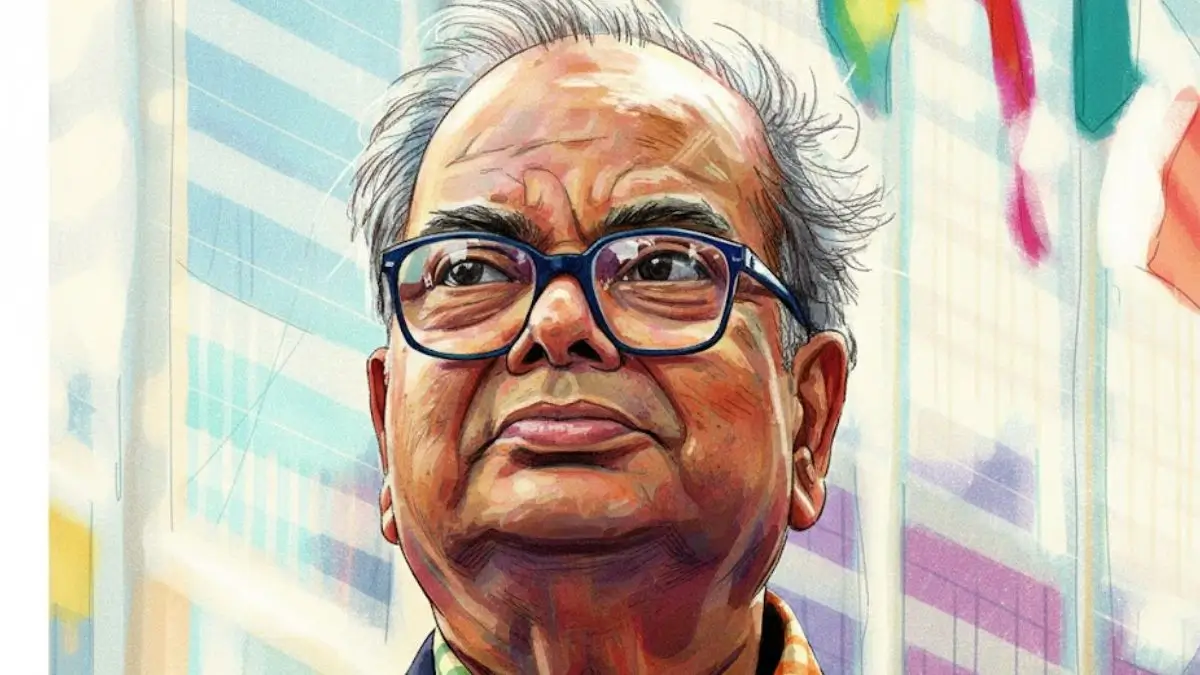










India Davis Cup 2025 victory: India defeats Switzerland 3–1 in Biel to qualify for 2026 Davis Cup Qualifiers, with standout performances from Sumit Nagal and Dhakshineswar Suresh.
India Beats Switzerland, Qualifies for 2026 Davis Cup Qualifiers
Historic Triumph in Biel
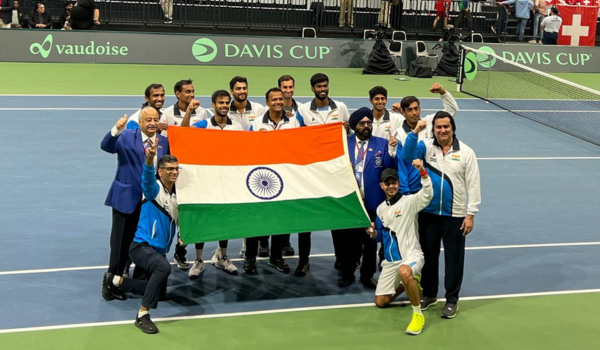
India scripted a remarkable victory in Biel, Switzerland, on 13 September 2025, defeating Switzerland 3–1 in the Davis Cup World Group I tie to secure its place in the 2026 Qualifiers. The Indian men’s team clinched this away win, which comes after decades, and marks a turning point in Indian tennis.
Key Performances from Indians
Sumit Nagal played a pivotal role. He won two singles matches: one earlier in the tie and the decisive reverse singles match where he beat Henry Bernet in straight sets 6-1, 6-3, sealing the tie. Debutant Dhakshineswar Suresh also surprised many by defeating Swiss No.1 Jerome Kym to give India a strong start.
Switzerland Fights Back in Doubles
Switzerland managed to stay alive in the contest by winning the doubles rubber. The pairing of Jakub Paul and Dominic Stricker edged India’s N. Sriram Balaji and Rithvik Bollipalli in a close match, 6-7(3), 6-4, 7-5.
Significance of the Win
This win is India’s first away Davis Cup victory against a European nation since 1993. For over 30 years, Indian tennis has struggled to make breakthroughs on European soil in Davis Cup ties. With this result, India (currently ranked #37) upset a higher-ranked Switzerland (ranked #24) to earn its spot in the 2026 World Group Qualifiers.
Why This News Is Important
Boosting India’s Global Tennis Standing
This victory isn’t just another Davis Cup win for India—it restores belief that the country can compete and succeed against traditionally stronger European tennis nations on their home turf. Qualifying for the 2026 qualifiers means India is one step closer to competing among the elite in men’s international team tennis. For students preparing for government exams, this matters under the “Sports” section in current affairs, highlighting India’s resurgence in less-mainstream sports.
Encouragement for Emerging Players
The outstanding performance by Dhakshineswar Suresh, a relatively new name in the senior Davis Cup lineup, underscores the importance of nurturing young talent. This victory shows that combining youth with experience (Sumit Nagal’s leadership, etc.) can yield results. It could influence sports policy, selections, and funding—topics that often crop up in exams under “Youth & Sports Development” or “Performance of Indian Athletes”.
Cross-cutting Impacts
The win also has implications for national pride, sports diplomacy, and India’s image internationally. It might prompt increased media focus on tennis in the country, improved infrastructure, and stronger support from tennis academies and governing bodies. For civil services or public administration aspirants, this is relevant when considering government schemes in sports, public fund allocation and promotion of lesser-known disciplines.
Historical Context
India’s Davis Cup Legacy
India has a storied history in the Davis Cup, reaching the finals three times (1966, 1974, 1987), though never winning the title. Its performance over the years has waxed and waned, often relying on a few individual stars rather than strong depth.
Previous European Away Performances
Prior to this win, India’s last victory on European soil in a Davis Cup tie was in 1993, when it defeated France. Since then, away ties in Europe have often ended in defeats, underlining the challenge of playing in different conditions, court surfaces, altitude, climate, and crowd support.
Structure of Davis Cup: World Group I and Qualifiers
The Davis Cup format includes Qualifiers, World Group stages, and play-offs. Winning in World Group I gives teams a path into the Qualifiers for the next edition, which is a higher stage. Failure means playing in play-offs or staying in lower tiers. Thus, India’s win over Switzerland effectively moves them forward into a more competitive bracket for 2026.
Key Takeaways from This News: India’s Historic Davis Cup Win
| Serial Number | Key Takeaway |
|---|---|
| 1 | India defeated Switzerland 3–1 in the World Group I tie to qualify for the 2026 Davis Cup Qualifiers. |
| 2 | This is India’s first away Davis Cup win against a European nation since 1993. |
| 3 | Sumit Nagal played a central role, winning both his singles matches, including the decisive reverse singles vs. Henry Bernet. |
| 4 | Debutant Dhakshineswar Suresh made a significant impact by beating Jerome Kym, contributing to India’s early lead. |
| 5 | Switzerland won the doubles rubber, but India’s overall performance in singles secured the tie; India moves to 2026 Qualifiers while Switzerland faces World Group I play-offs. |
FAQs: Frequently Asked Questions
1. Who did India defeat to qualify for the 2026 Davis Cup Qualifiers?
India defeated Switzerland 3–1 in the World Group I tie in Biel, Switzerland.
2. Who were the key Indian players in this victory?
Sumit Nagal and debutant Dhakshineswar Suresh were the standout performers. Nagal won both singles matches, and Suresh defeated Swiss No.1 Jerome Kym.
3. When was India’s last away win against a European nation in Davis Cup before this?
India last won an away Davis Cup tie in Europe in 1993.
4. What was the result of the doubles match in the India vs Switzerland tie?
Switzerland won the doubles match against India, but India’s singles wins secured the overall 3–1 victory.
5. Why is this win significant for Indian tennis?
This victory boosts India’s international tennis reputation, highlights emerging talent, and qualifies the team for the 2026 Davis Cup Qualifiers, increasing its chances of competing at a higher level.
6. What is the current ranking of India and Switzerland in men’s tennis?
India is ranked #37, and Switzerland is ranked #24 as of September 2025.
7. How does this win impact India’s Davis Cup journey?
It ensures India’s participation in the 2026 Qualifiers, bringing the team closer to competing in the elite Davis Cup stages.
Some Important Current Affairs Links